
Paris 2024 Olympics Kick Off With Historic Seine‑Side Opening
…
Paris 2024 Olympics Kick Off With Historic Seine‑Side Opening
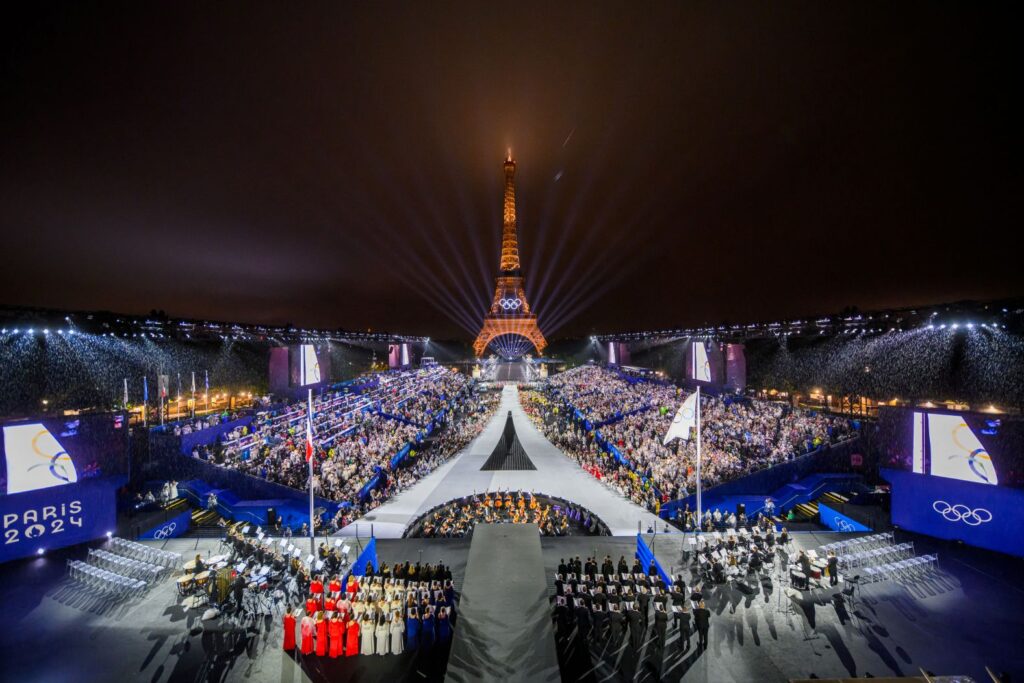
The 2024 Summer Games officially began on July 26, 2024, when the opening ceremony got under way at 19:30 Central European Summer Time. As required by the Olympic Charter, the event combined an artistic showcase of French culture, the parade of participating athletes, and the lighting of the Olympic cauldron. The ceremony was declared open by the President of France, Emmanuel Macron, signalling the start of the competition.
This year’s opening carried extra historical weight because it fell on several notable anniversaries. It marked the 130th year since the founding of the International Olympic Committee, the centenary of both the 1924 Summer and Winter Games that were held in France, and the 235th anniversary of the French Revolution.
Those milestones gave the proceedings a deeper cultural resonance. One of the most striking departures from tradition was the choice of venue. For the first time in modern Olympic history, the ceremony was staged outside a conventional stadium. Instead, athletes travelled by boat along the River Seine, making their way to a temporary arena set up in the Jardins du Trocadéro where the formal protocols took place.
The Seine‑side route allowed the spectacle to frame some of Paris’s most recognizable monuments. As the flotilla moved, viewers saw Notre‑Dame, the Conciergerie, the Musée d’Orsay and the Eiffel Tower woven into the artistic narrative, turning the river itself into a moving stage.
The artistic program was organized into twelve distinct acts, each devoted to a different facet of French heritage and history. Throughout the show, musical performances by prominent French artists punctuated the athlete parade. The lineup featured the metal band Gojira, the pop‑urban singer Aya Nakamura and the musician Philippe, whose contributions helped shape the evening’s varied soundscape.
Overall direction of the ceremony was entrusted to Thomas Jolly, whose role was to blend the artistic segments, the boat parade and the official elements into a cohesive production. His vision ensured that the various components flowed smoothly from one to the next.
By locating the ceremony on the water and integrating iconic landmarks, the organizers aimed to emphasize Paris’s cultural and historical significance. The decision was intended to give athletes, officials and spectators a memorable experience that highlighted the host city’s identity while still fulfilling the Olympic requirements of culture, parade and cauldron lighting. The unconventional format also served to showcase the Seine as a living artery of the city, reinforcing the idea that the Games could extend beyond traditional sports venues.
This approach added a distinctive character to the opening, making it unmistakably Parisian in tone and presentation. With the opening ceremony now behind them, the focus shifts to the competitions that will unfold over the following weeks.
Athletes from around the world will contend in their respective disciplines, striving for medals and recognition. The early days of the Games are expected to be pivotal, as initial events get underway and the first podiums are decided. As the tournament progresses, global audiences will watch to see which individuals and teams rise to the top, and how Paris continues to display its hospitality and cultural richness to an international crowd.
The opening ceremony has set the stage for what promises to be a memorable edition of the Summer Olympics.




