
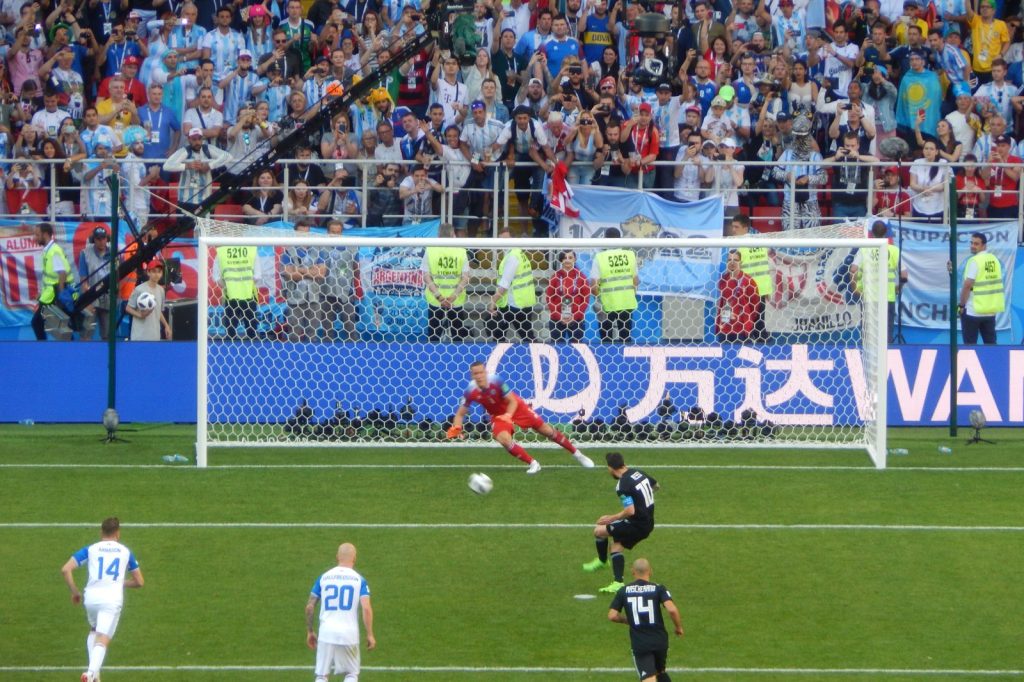
BUENOS AIRES, September 3 — The Instagram post landed like a shockwave. Lionel Messi, the Argentine forward known worldwide as “La Pulga,” announced his retirement from international football on Monday, a decision that severs a bond with the national team stretching back more than two decades. The 39-year-old captain broke the news through his own social media channel, bypassing the traditional press conference format that has marked so many farewells of sporting greats.
OneFootball, reporting via Yahoo Sports, described the announcement as a “thunderbolt on the football planet” — language that captures the suddenness of a player still competing at the elite level, having just guided Argentina to the final of the World Cup in North America.
A Nation Pauses to Applaud
By nightfall Wednesday, the Argentine Football Association had crafted its response. The governing body announced that referees will halt play at the ten-minute mark of every match in the upcoming round of the Clausura tournament, extending the same tribute across men’s and women’s leagues throughout the country. The Associated Press and United Press International both reported the decision.
A minute of applause will follow — a collective breath held in stadiums across a football-obsessed nation. The tribute is scheduled for the weekend following the announcement.
GOAL described the association’s move as exceptional, a break from routine that signals the scale of Messi’s imprint on Argentine football culture. The BBC confirmed that all domestic matches will pause in the tenth minute, a numerical nod to the jersey he wore.
The Shadow of a Previous Goodbye
This is not the first time Messi has stepped away from the blue-and-white stripes. In June 2016, after Argentina’s penalty shootout defeat to Chile in the Copa América final at MetLife Stadium in New Jersey, he announced a shock departure from international football. Stadium Rant and The Guardian both documented that earlier retirement, which Messi later reversed.
The Guardian noted that the performances Messi delivered in his thirties, following that short-lived first exit, ultimately cemented his standing among the finest international players the sport has known. The reversal itself became part of the Messi narrative — a player so entwined with national expectation that even his departures proved temporary.
What Comes Next
The weekend tributes will unfold without the man himself on the pitch in Argentine colors. The Associated Press confirmed that Messi’s tenure with the national team spanned twenty-one years, the No. 10 jersey his constant companion through World Cup finals, Copa América campaigns, and the 2022 triumph in Qatar that finally silenced lingering questions about his international legacy. The Clausura tournament matches will offer the first formal farewell, though the broader reckoning with Messi’s absence from the national team setup will stretch far beyond a single weekend of paused play.
Argentina must now navigate qualification cycles and tournament preparations without the figure who has defined its footballing identity since his teenage debut. Whether this retirement proves permanent — unlike its 2016 predecessor — remains the unspoken question hanging over every tribute.
For now, the whistles will stop at the ten-minute mark, and stadiums full of Argentines will applaud a player whose international story, however it ends, has already rewritten the record books.




