The Physics of Instant Torque Delivery in Electric Vehicles
A Tesla driver recently visited a tire shop with severely damaged wheels and shredded tires, providing a stark reminder of what happens when standard rubber meets high-performance electric engineering. Under the hood, or rather beneath the floorboards, the technical reality of electric propulsion involves physics that catch many drivers entirely off guard. Unlike internal combustion engine vehicles that build power gradually through gears and revs, electric motors deliver maximum rotational force the moment the driver steps on the pedal. As ever, the detail that matters is how this instant torque translates to the contact patch between the rubber and the asphalt. Standard tire compounds, designed for the progressive power delivery of traditional petrol engines, simply struggle to absorb the sudden rotational shock without scrubbing and rapid tread degradation.
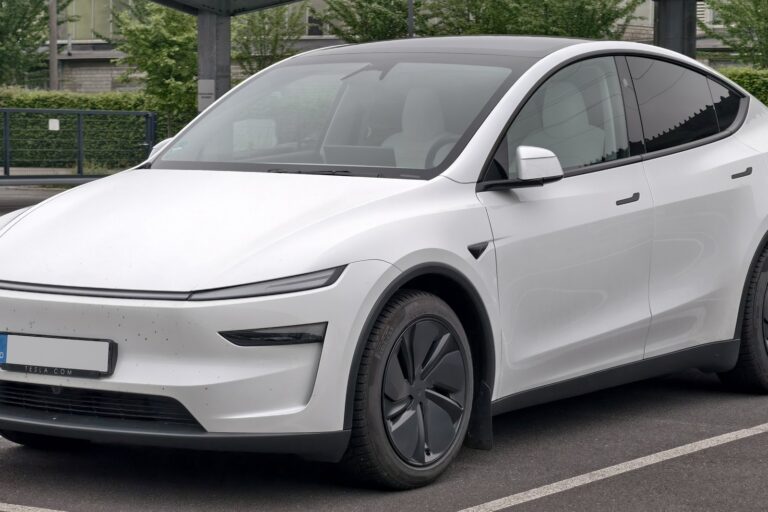
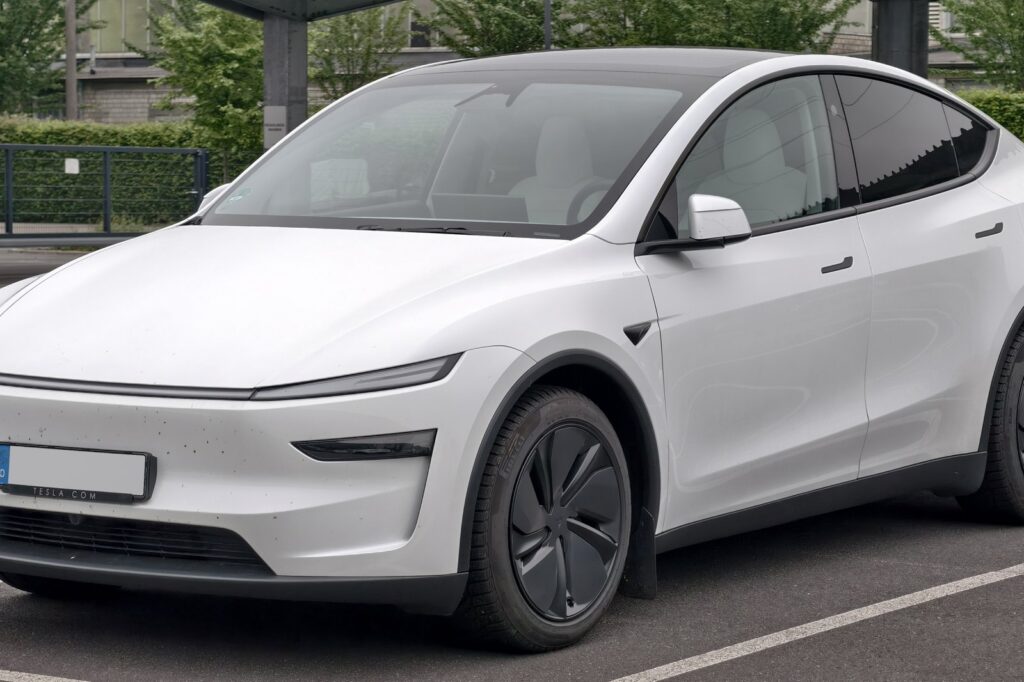
Electric vehicles often require specialized tires to handle higher curb weights compared to internal combustion engine vehicles, according to automotive experts and shop technicians. The vehicle involved in the recent viral incident was identified as a Tesla Model Y, noted by its 19-inch alloy wheels, which suffered extensive rim and sidewall destruction. The customer declined recommended tire replacements, opting only to add air to return the borrowed vehicle, leaving the shredded tire spinning on the asphalt. Instant torque delivery in EVs can cause accelerated wear on standard rubber compounds, turning everyday acceleration into a high-friction stress test that standard tires are rarely engineered to survive.
Weight Distribution and the Impact of Battery Mass on Tire Wear
Beyond the demands of immediate power delivery, electric vehicles carry a massive structural burden that fundamentally alters tire dynamics. Heavy lithium-ion battery packs span the entire floor pan of modern electric cars, shifting the centre of gravity low and flat while increasing overall vehicle mass. When a heavy electric crossover or sedan corners, brakes, or accelerates, that concentrated mass exerts immense lateral and longitudinal forces down through the suspension and straight into the contact patch. Standard tires featuring flexible sidewalls and lighter internal casing structures tend to flex excessively under this persistent downward load. The resulting heat buildup and sidewall fatigue accelerate tread wear far beyond normal operating parameters, leading to the kind of structural failure observed in recent shop visits.
Managing this heavy mass requires specialized tire construction that includes stiffer sidewalls, reinforced internal belts, and high-load capacity ratings. When drivers place standard replacement tyres on a heavy electric platform, the lack of proper load-bearing architecture causes the tire shoulders to scrub away prematurely. The customer in the recent Tesla Model Y incident discovered this the hard way, though the driver ultimately declined the recommended tire replacements and drove off with a shredded tire just to return the borrowed vehicle to its owner. Regenerative braking essentially applies reverse torque through the wheels to slow the vehicle and capture energy, adding yet another layer of frictional demand to the rear or all-wheel-drive contact patches.
Safety Risks and Financial Realities of Ignoring Manufacturer Specifications
Ignoring manufacturer-recommended tire specifications introduces severe safety hazards that extend far beyond rapid tread wear. Driving on shredded or inappropriate tires compromises vehicle stability, braking distances, and emergency handling capabilities, particularly in wet weather conditions where hydroplaning resistance depends entirely on proper tread depth and casing rigidity. Despite these obvious dangers, motorists occasionally attempt to cut corners on maintenance costs, leading to precarious roadside situations. The financial reality of owning and maintaining high-performance electric vehicles also plays a role in how owners approach upkeep, as specialized components generally command a premium over conventional automotive parts.
Tesla recently reported its financial results for the third quarter of 2026, illustrating the broader economic pressures surrounding electric vehicle maintenance and manufacturing infrastructure. According to company financial disclosures, Tesla brought in $28 billion in revenue in Q3, while automotive revenues stood at $20.6 billion, marking a three percent decrease year over year. Services and other revenues, which include parts and Supercharger use, grew by a third to $4.6 billion. At the same time, operating expenses rose by 39 percent to $4.8 billion, capital expenditures increased by 110 percent to $4.7 billion, and net profit fell to $787 million, down 43 percent year over year. For everyday owners navigating these ownership costs, selecting the correct EV-specific tire remains a fundamental requirement for vehicle safety and long-term financial prudence.
The Critical Mismatch Between Standard Rubber and Electric Engineering
The recent incident involving a Tesla Model Y with 19-inch alloy wheels highlights a dangerous disconnect between standard automotive parts and electric vehicle requirements. A customer who borrowed the vehicle requested only enough air to return it, declining recommended tire replacements despite visible damage to multiple wheels. Shop employees noted that the tires were not appropriate for an electric vehicle to begin with, a sentiment echoed by Reddit users who questioned how such severe degradation could occur on standard rubber.
This situation underscores the widespread misunderstanding among motorists regarding specialized EV rubber. Standard tire compounds, designed for the progressive power delivery of traditional petrol engines, simply struggle to absorb the sudden rotational shock caused by instant torque delivery in EVs. When a driver steps on the pedal, electric motors deliver maximum rotational force immediately, creating a high-friction stress test that standard tires are rarely engineered to survive without scrubbing and rapid tread degradation.
Furthermore, heavy lithium-ion battery packs span the entire floor pan of modern electric cars, increasing overall vehicle mass and shifting the centre of gravity low and flat. When drivers place standard replacement tyres on a heavy electric platform, the lack of proper load-bearing architecture causes the tire shoulders to scrub away prematurely. Technical specialists emphasize that standard rubber compounds lack the structural integrity required to support the combined forces of high curb weight and regenerative braking systems, leading to the kind of structural failure observed in recent shop visits.
Sources
- Tesla Driver Wants Air for Severely Destroyed Tires, Shop Says They Didn't Even Belong on an EV to Begin With
- Tesla
- Tesla profits drop 43% in Q3
Photo: © M 93 (CC BY-SA 3.0 de)