The Numbers Behind the Record
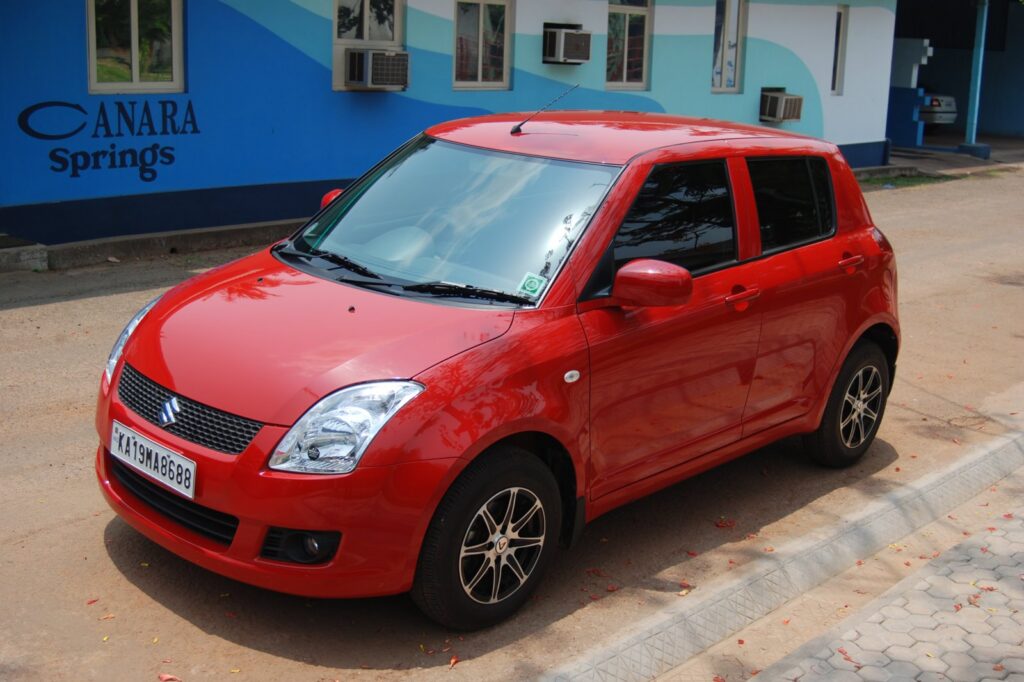
Maruti Suzuki India announced on November 1 that its sales volume for October 2026 reached 276,120 units, setting a new all-time monthly record for the company. This figure represents a 25.0 percent increase compared to the same month last year, when sales stood at 220,894 units. The result indicates that the Japanese automaker’s stronghold in the Indian market is not only holding but expanding rapidly, driven by strong demand across multiple vehicle categories.
Domestic sales within India reached 216,789 units, marking a 20.0 percent rise from 180,675 units in the previous October. This domestic figure also reached a record high, signaling that the growth is rooted in local consumer demand rather than just export momentum. Exports from Indian operations increased by approximately 59.3 percent, climbing to 49,872 units from 31,304 units in the same month last year. Supplies to other automakers totaled 9,459 units, contributing to the overall monthly total. According to the company’s figures, this combination of robust local sales and surging exports has solidified India as the primary engine for Suzuki’s global performance.
India as the Global Engine
The significance of these October figures is amplified by the broader context of Suzuki’s global operations. In September 2026, India accounted for nearly 60 percent of Suzuki’s total global sales volume. During that month, worldwide sales reached 315,995 vehicles, an increase of 17.2 percent from the same period last year. The September results were also a record for the company, with global production rising 10 percent to 348,459 units, the highest September output in Suzuki’s history.
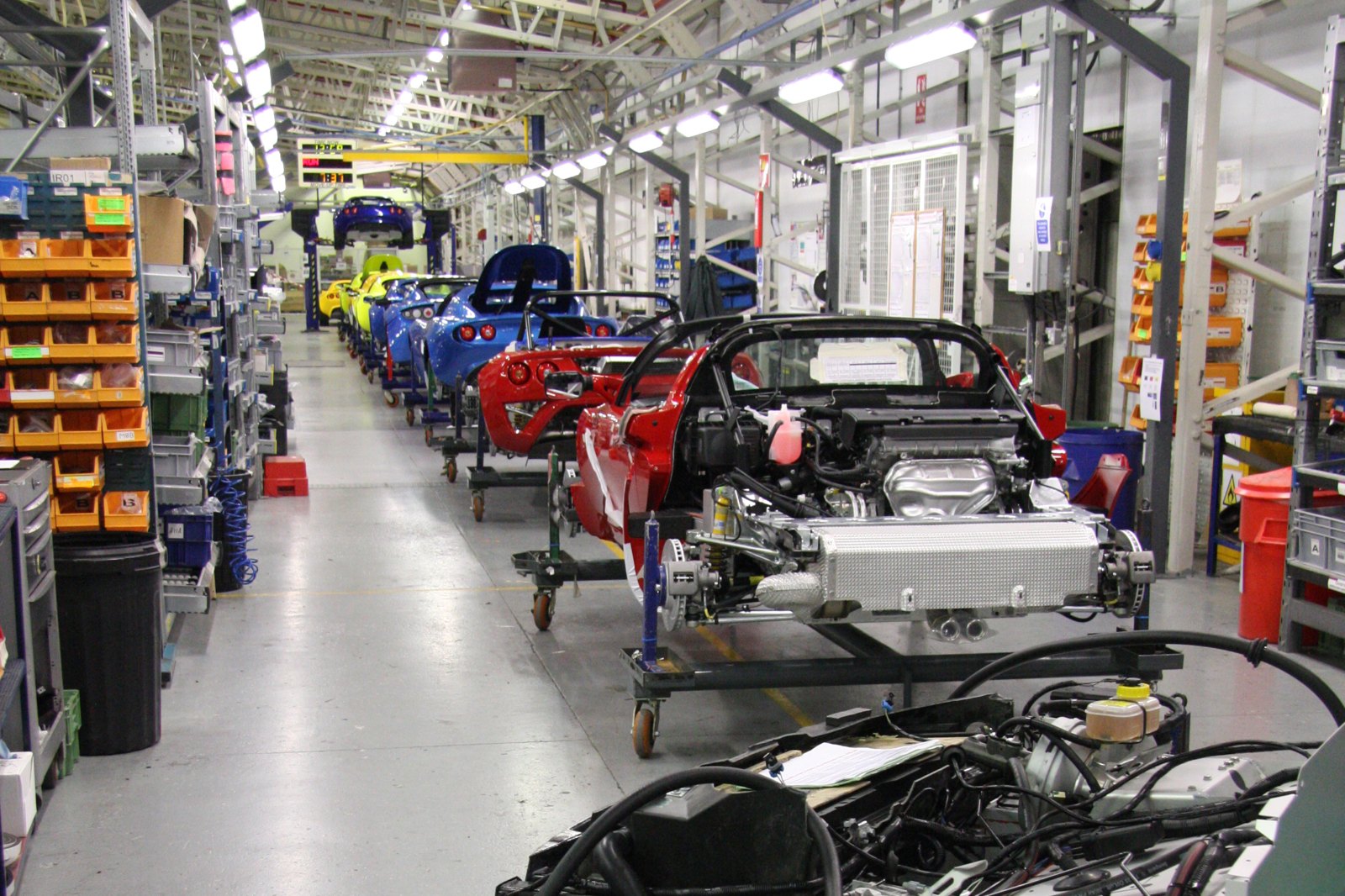
Production data further underscores the shift in manufacturing center of gravity. Indian plants produced 241,977 vehicles in September, up 19.9 percent year-on-year. This output accounted for nearly 70 percent of Suzuki’s worldwide production. In contrast, manufacturing operations outside India and Japan reported a 23.9 percent decline to 16,966 units. Suzuki’s domestic production in Japan fell 3.2 percent to 89,516 vehicles, marking its second consecutive monthly decline. While exports from Japan increased 5.7 percent to 19,210 units, largely due to higher shipments of completely knocked-down vehicle kits, the overall trend shows a clear consolidation of manufacturing capacity in India.
For the six-month period from April to September 2026, global sales reached 1,824,006 vehicles, up 19.9 percent from the corresponding period last year. India accounted for 1,100,260 units of this total, an increase of 35.4 percent. Overseas sales rose 26 percent to 1,469,966 vehicles during this period, with India contributing the vast majority. This sustained growth over multiple months suggests that the recent record is part of a structural shift rather than a one-off spike.
Dual Growth: Mass Market and EVs
The drivers behind this sales surge are twofold. First, Suzuki maintains a dominant position in the mass-market segment, particularly in small cars and SUVs, which remain the primary mode of personal transport for a large portion of the Indian population. The company’s strategy focuses on affordable, fuel-efficient internal combustion and hybrid vehicles that cater to price-sensitive buyers. According to the World Automotive Morning Paper, this success in both small cars and SUVs has been a key factor in the recent sales performance.
Simultaneously, the Indian market is witnessing an expansion in electric vehicle adoption. While Suzuki’s core strength lies in internal combustion and hybrid technology, the broader market context includes significant growth in EVs. Competitor Tata Motors Passenger Vehicles saw sales rise by 23 percent in the same period, with EV sales specifically increasing by 75 percent. This indicates that the Indian automotive market is not choosing between traditional engines and electric powertrains but is experiencing simultaneous growth in both segments. For consumers, this means a wider array of options, from affordable petrol and hybrid cars to increasingly accessible electric models.
Analysts note that this dual growth trajectory is unique to the current phase of the Indian market. The mass-market segment continues to drive volume, providing the scale necessary for high production numbers, while the EV segment offers a growing avenue for differentiation and future-proofing. Suzuki’s ability to maintain record sales in the mass-market segment while the EV sector expands suggests that the company is benefiting from the overall expansion of vehicle ownership in India, rather than just shifting market share from competitors.
Regional Ripples and Competitor Dynamics
The implications of Suzuki’s performance extend beyond its own balance sheet to the broader regional automotive landscape. In China, BYD’s new energy vehicle sales in October reached 490,168 units, an increase of approximately 11 percent year-on-year. However, BYD’s exports expanded to 170,194 units, roughly double the figure from the same month last year. Geely Auto also saw its October exports reach 107,153 units, a 158 percent increase year-on-year. For both Chinese manufacturers, exports now account for approximately 35 percent of their monthly sales volume. This indicates that while Chinese EV makers are growing domestically, they are increasingly relying on overseas markets to sustain their expansion.
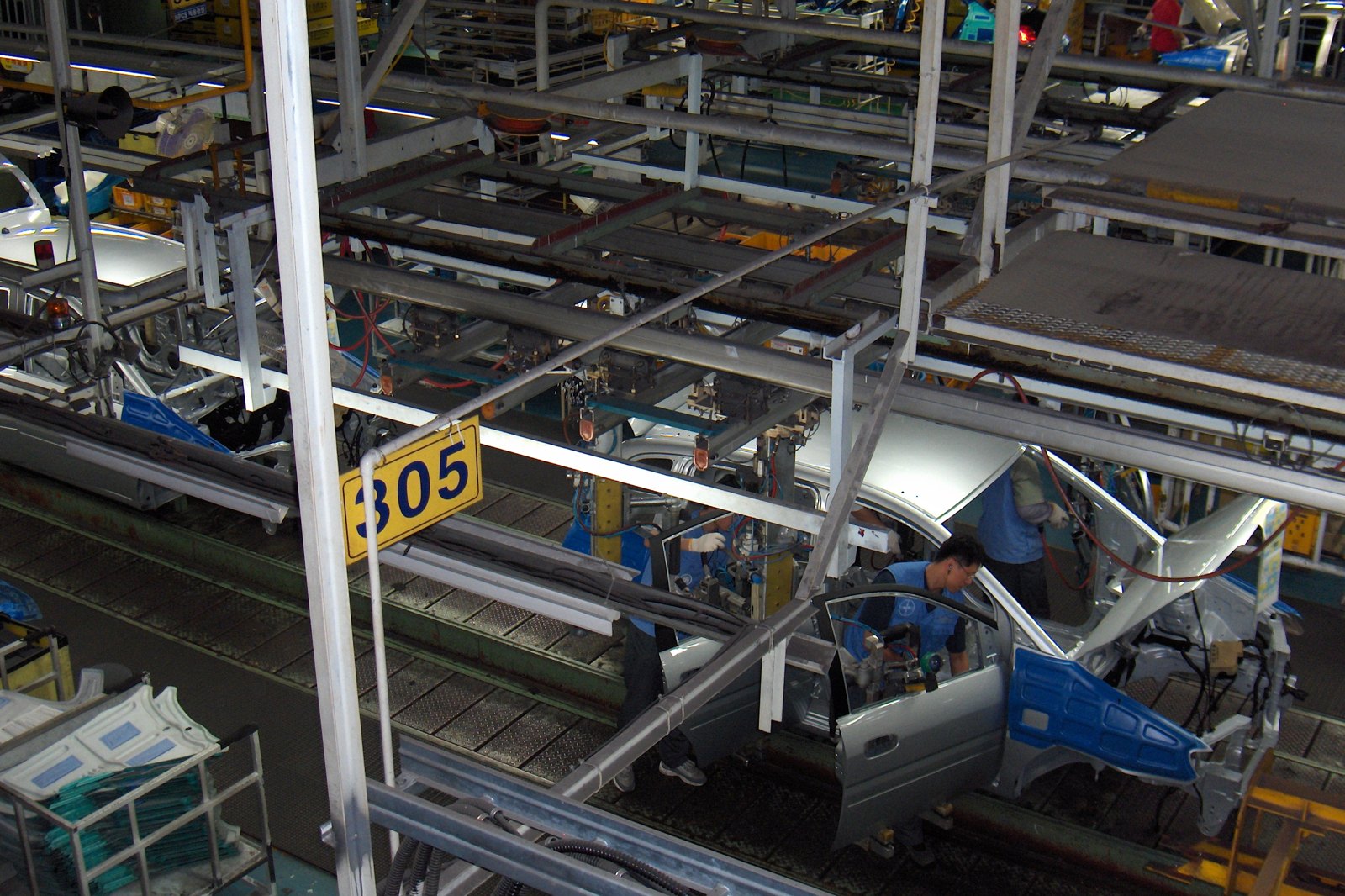
India’s role in this dynamic is becoming more central. As Suzuki’s Indian operations drive global sales and production, the country is emerging as a critical hub for automotive manufacturing and export. The simultaneous growth in mass-market ICE/hybrid vehicles and EV adoption in India creates a complex competitive environment. Local players like Tata Motors are capitalizing on the EV segment, while Suzuki leverages its established distribution network and brand loyalty in the mass-market segment. This competition is likely to drive further innovation and price competition, ultimately benefiting consumers with more choices and lower costs.
In Europe, the automotive sector faces different challenges. Germany’s IG Metall union began warning strikes in the metal and electrical industries starting at midnight on November 1. These industry-wide wage negotiations affect approximately 3.7 million workers and involve critical business restructuring for both automakers and parts suppliers. The contrast between the labor disputes in Europe and the record sales and production growth in India highlights the differing management conditions and market environments across regions. Companies that can expand sales and exports in growing regions like India are seeing different outcomes than those struggling to maintain existing production and employment systems in more mature markets.
What It Means for Buyers and Investors
For ordinary readers and potential car buyers in India, Suzuki’s record sales signal a stable and competitive market. The continued dominance in the small car and SUV segments means that affordable options remain plentiful, while the growth in EVs offers a growing alternative for those looking to switch to electric powertrains. The increase in exports from Indian plants also suggests that the vehicles being produced are competitive on a global scale, which can translate to higher quality standards and better technology transfer to the local market.
For investors, the data points to a structural shift in the global auto industry. Suzuki’s reliance on India for nearly 60 percent of its global sales and 70 percent of its production indicates that the company’s future growth is tightly linked to the Indian economy. The 12th consecutive month of sales growth and 13th consecutive month of production growth in India provide a strong foundation for this outlook. However, the company’s performance in Japan remains weaker, with domestic production and sales declining. This divergence underscores the importance of regional diversification and the risks associated with over-reliance on a single market, even a growing one.
The broader implication is that the center of gravity for global automotive manufacturing and sales is shifting. India is no longer just a large domestic market but a key export hub for global brands. This shift is reshaping supply chains, investment flows, and competitive dynamics across Asia and beyond. As other manufacturers look to leverage India’s manufacturing capabilities and growing consumer base, the region is poised to play an increasingly significant role in the global auto industry. The next scheduled data point to watch will be the November sales figures, which will confirm whether the October record is the start of a new trend or a peak in the current cycle.
Sources
- Suzuki sees strong sales in India, exports also growing, with success in both small cars and SUVs | World Automotive Morning Paper, November 2, 2026|CHINA CASE
- Suzuki
- The 20-Year-Old Suzuki Superbike That Nearly Matches The New GSX-R1000R In The Quarter-Mile
- Is This The Suzuki Hayabusa Swapped Kids Bed a Dream? It Might Be
- Blue Jays’ Seiya Suzuki Update Says What Everyone Is Thinking
- Suzuki posts record September sales
Photo: Premnath Kudva (CC BY-SA 3.0)