
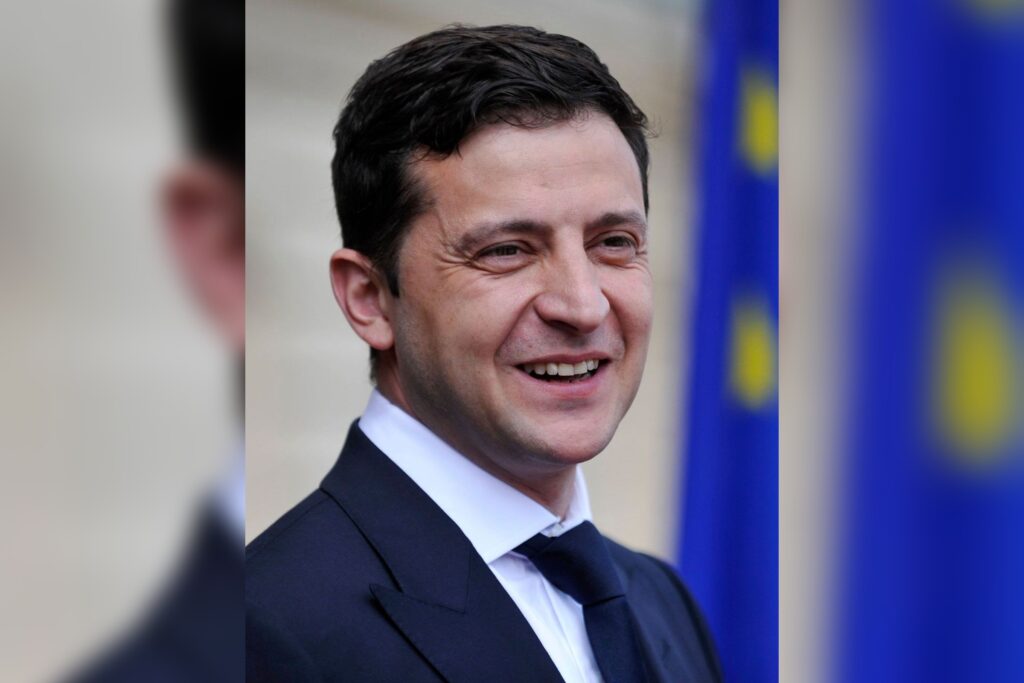
KYIV, July 16 — The shift is subtle but unmistakable: Volodymyr Zelensky, the wartime president who has held the country together through more than two years of full-scale war, is making a high-risk political bet. His decision to dismiss Mykhailo Fedorov, one of the most popular ministers in his cabinet, on March 18, 2025, has drawn public criticism and raised questions about the president’s political calculus during a critical phase of the conflict. Zelensky, a former comedian and actor, was elected president in April 2019 with 73% of the vote.
That landslide mandate has been sustained by war. His approval ratings have remained above 60% as of early 2025, a remarkable feat for any leader, let alone one navigating a full-scale Russian invasion that began in February 2022.
The war has forged a wartime cabinet that has seen several high-profile dismissals and resignations. One of the most notable came in September 2023, when Defense Minister Oleksii Reznikov was ousted amid corruption allegations. That move, while controversial, was framed as part of a broader anti-corruption drive.
The Fedorov dismissal, however, is different. Fedorov was not just any minister.
He was one of the most popular figures in the government. His dismissal on March 18 has been met with public criticism. Some analysts see the move as a potential political risk, a gamble that could erode the president’s standing during a period when unity is paramount.
The trend underneath is worth watching. Zelensky has never been a conventional politician. His background as a comedian and actor gave him a unique connection to the Ukrainian public, a connection that has only deepened since the invasion.
But the wartime cabinet has been a rotating door of dismissals and resignations, and each one carries a political cost. What’s changing is the public reaction.
The Fedorov dismissal has drawn sharper criticism than previous shake-ups, suggesting that the president’s political capital, while still substantial, may not be infinite. The war has demanded sacrifices from every Ukrainian, and the public has been willing to accept difficult decisions. But removing a popular minister without a clear public rationale shifts the dynamic.
Watch this space. The dismissal of Fedorov could be an isolated move, a necessary reshuffle in a wartime government.
Or it could signal a broader trend: the beginning of a more politically risky phase for a president who has, until now, enjoyed near-universal support. The coming months will show whether this was a calculated adjustment or a misstep.




