
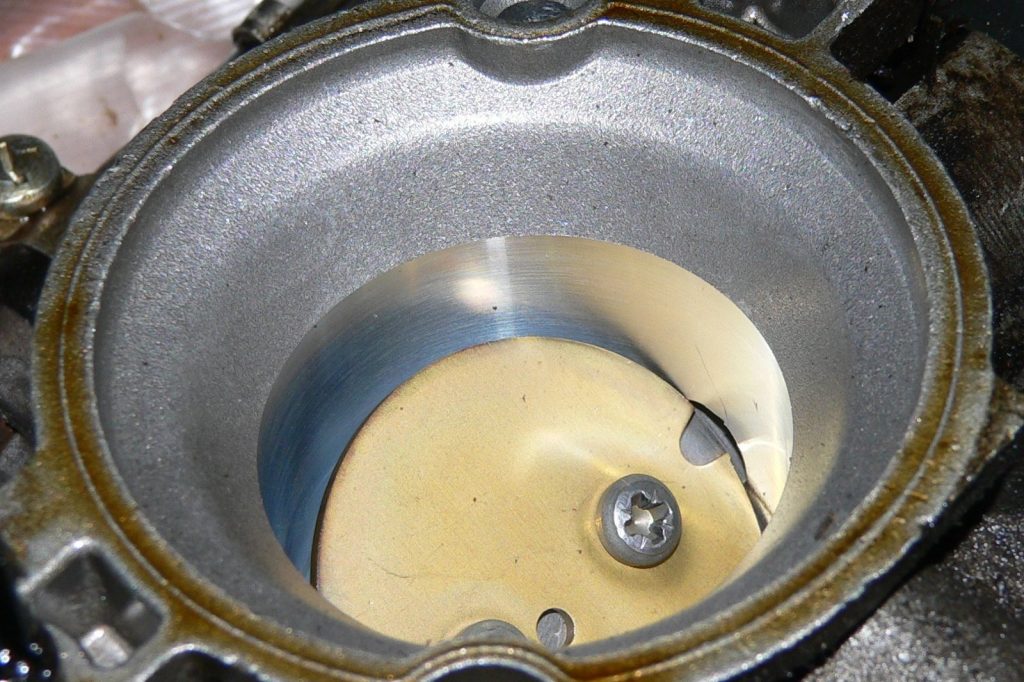
Press the accelerator in a modern car and nothing physical connects your foot to the engine’s throttle valve. Software does the job. The technology is called electronic throttle control, or ETC, and it also goes by drive-by-wire, accelerate-by-wire and throttle-by-wire.
A typical system has three parts. The first is an accelerator pedal module, ideally with two or more independent sensors. The second is a throttle valve opened and closed by an electric motor, sometimes called an electronic throttle body. The third is the powertrain or engine control module, an embedded computer that works out how far the throttle should open.
To decide, that module reads the pedal position sensors, the engine speed sensor, the vehicle speed sensor and the cruise control switches. The motor then moves the valve to the angle the software wants, through a closed-loop control algorithm.
What drivers get out of it
Most drivers never notice the benefits, because the aim is to make the car feel the same whatever the conditions. Engine temperature, altitude and accessory loads should not change how it responds. ETC also makes gear changes easier and helps the car cope with the sharp torque swings of fast acceleration and braking.
Because the throttle can move whatever the pedal is doing, the system makes room for cruise control, traction control, stability control and precrash systems, all of which need to manage torque. It gives some help with air-fuel ratio control, exhaust emissions and fuel consumption, and it works alongside technologies such as gasoline direct injection.
Feedback and sensors
With no mechanical link, the amount of air entering the engine is set entirely by software. Simply sending the motor a new signal would be open loop and inaccurate, so most current systems, if not all, use closed-loop feedback such as PID control. The computer commands an opening, keeps reading the throttle position sensors, and adjusts until it reaches the desired engine power.
Those sensors come in two main types. A potentiometer is a mechanical part that can wear or get clogged with dirt and dust, and that can make a car run erratically. The more reliable choice is a non-contact Hall-effect sensor, a magnetic device that never wears out from rubbing. A worn sensor is a sneaky fault, since it may show no symptoms until it fails completely.
Every car with a throttle position sensor has a limp-home mode. If the pedal, the engine computer and the throttle stop communicating properly, the computer cuts the signal to the throttle motor. Springs in the throttle then set a fast idle, quick enough to get the transmission into gear but not fast enough to make driving dangerous.
The unintended acceleration question
Some people suspect software or electronic faults in ETC of causing reported cases of unintended acceleration. The U.S. National Highway Traffic Safety Administration investigated 2002 and later model year Toyota and Lexus vehicles and could not explain every reported incident. A February 2011 report by a NASA team, which studied the source code and electronics of a 2005 Camry at NHTSA’s request, did not rule out software malfunctions as a cause. In October 2013, the first jury to hear evidence about Toyota’s source code found the company liable for the death of a passenger in a September 2007 crash in Oklahoma.




