Volkswagen Hits the Brakes on the Electric Golf
Volkswagen has paused development of the electric ID. Golf, the battery-powered successor to one of the most recognizable nameplates in the industry, as mounting financial pressures force the automaker to rethink where its money goes. The decision was disclosed in the company’s financial update for the first nine months of the year, with VW brand and Brand Group Core CFO David Powels confirming the move.
“One specific measure is therefore to temporarily pause development work on the future ID. Golf at the VW brand until we can securely accommodate the necessary investments,” Powels said while discussing the group’s performance.
Here’s what it means in plain terms: the car isn’t canceled, but the checkbook has closed for now.
A €5.86 Billion Hole in One Quarter
The pause lands on the back of a brutal third quarter. Volkswagen Group reported an operating loss of €5.86 billion (roughly $6.53 billion) for July through September, according to DW, compared with a €1.3 billion profit in the same quarter last year. It was the company’s worst single quarterly loss since the height of the Dieselgate emissions scandal in 2015.
One-off costs did most of the damage, above all a massive writedown on VW’s stake in its struggling sister company Porsche. Sales revenue dipped 6.3% year-on-year to €75.3 billion, and deliveries, unit sales and production all fell by roughly 15% as the group began deliberately reducing output to match falling demand.
Across the first nine months, the picture is just as stark. Operating profit sat at just €0.1 billion, down from €5.4 billion a year earlier, with VW attributing the collapse primarily to €8.7 billion in special items, including €6.4 billion in non-cash writedowns on Porsche assets. Nine-month revenue of €233.4 billion was broadly flat against 2025’s €238.7 billion, but vehicle unit sales fell 11% to 5.9 million, meaning the group is selling fewer cars at higher prices.
Why the Golf, and Why Now
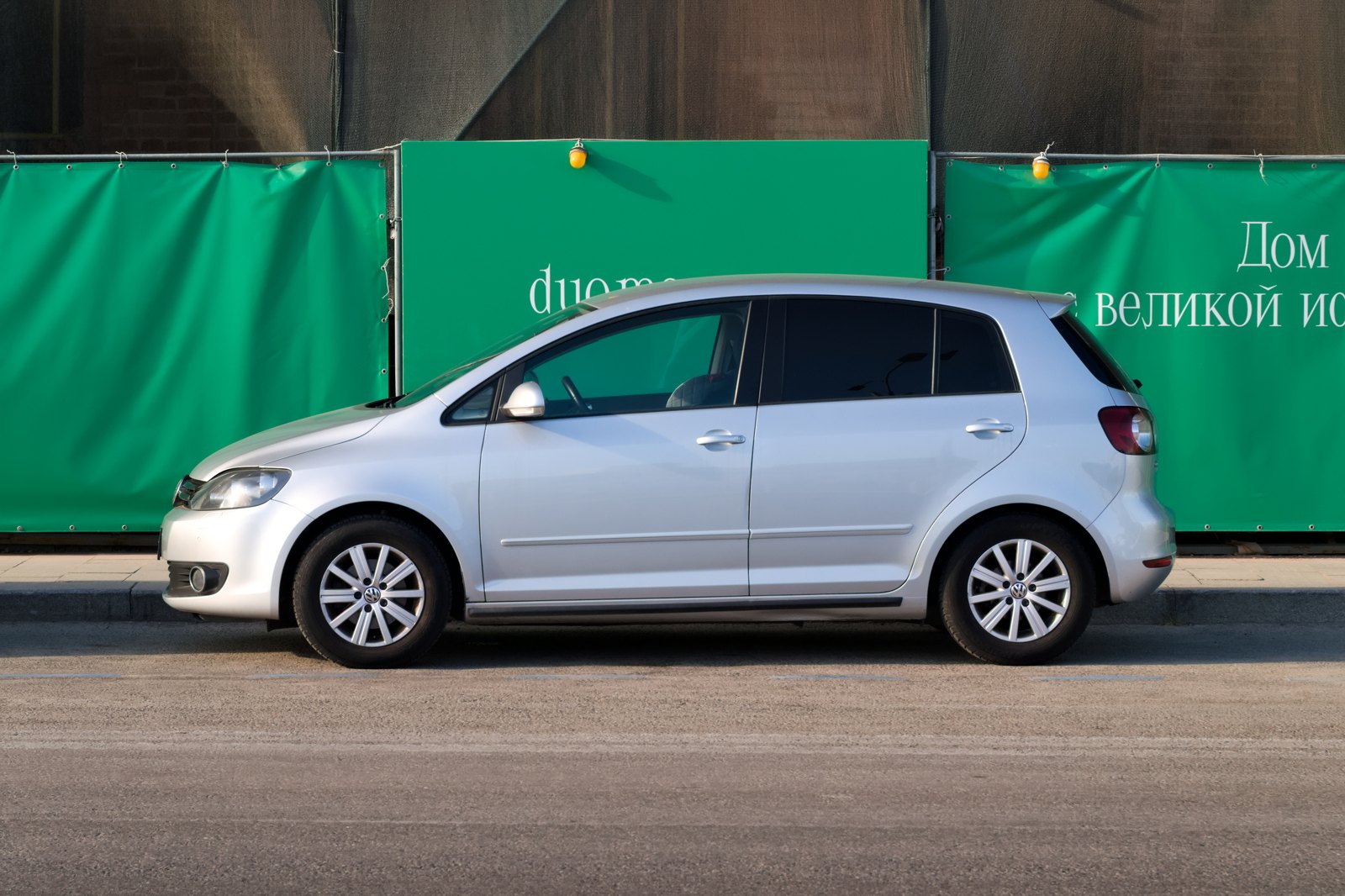
The ID. Golf was meant to be VW’s answer to a wave of affordable electric rivals, positioned against cars like the 2026 Kia EV4 and Leapmotor B05. Putting it on ice is an unusual step for a carmaker that has spent years preaching the importance of electrification, especially when the model in question carries one of the industry’s most famous badges.
Think of it like a household that keeps talking about a big renovation but keeps finding the roof needs fixing first. VW is prioritizing financial discipline over pushing ahead with a costly new electric model before the money is available, as Motor1 put it.
The ID. Golf’s troubles predate this quarter. It was always expected later this decade, but delays to the Volkswagen Group’s Scalable Systems Platform (SSP) complicated development. The next-generation architecture was intended to underpin a wide range of group EVs, but software challenges and rising development costs pushed its rollout back. CEO Thomas Schäfer previously indicated the company didn’t need an electric Golf in 2028, suggesting a launch around 2030 was more realistic. The first SSP-based vehicles are now expected from Audi and Porsche before the mainstream VW brand gets its turn.
There is no indication of when engineers will get back to work or how much the pause will affect the launch schedule. For now, the Golf’s combustion-engine, full-hybrid and plug-in hybrid versions will carry the nameplate forward.
China, Tariffs and the Restructuring Clock
The quarterly loss is the latest reminder of the pressure on VW and the wider German and Western auto industry. The company is battling mounting competition and falling demand in its core Chinese market, high costs and practical difficulties in moving toward electric car production, and unpredictable, rising tariff burdens, due in no small part to US President Donald Trump, according to DW.
VW is pursuing a major restructuring and downsizing program to bolster falling profit margins, with plans to shed tens of thousands of jobs and reduce production capacity. Executives said the difficulties highlighted the urgency of that process. “The nine-month results make one thing clear: We cannot afford to lose any time. We must act quickly and decisively,” chief financial officer Arno Antlitz said in a video statement.
Investors had already pushed VW shares to their lowest levels in well over a decade before Thursday’s announcements, after months of difficult headlines. The stock dipped briefly as markets opened on the news, then steadied.
What It Means for Buyers and the EV Rollout
The practical upshot for ordinary drivers is that the electric Golf is now a question mark rather than a date on the calendar. Anyone holding out for a battery-powered version of VW’s most famous hatch will be waiting longer, and the hybrid and combustion Golf variants remain the near-term options.
The pause also underlines a broader reality for the industry: the electric transition is shaped by balance sheets as much as engineering ambition. VW admitted just a day before the pause was confirmed that its EVs remain less profitable than equivalent combustion-engine cars, according to Motor1.
There is some encouragement buried in the nine-month figures. Order intake for new cars rose 4% year-on-year, and by 39% for battery electric vehicles, suggesting buyers are still coming through the door even as the group deliberately produces fewer vehicles.
The next hard numbers will come with Volkswagen’s full-year results, and the ID. Golf’s future rests on the same test: whether the funding can be secured before the nameplate’s electric chapter can begin.
Sources
- Volkswagen
- Volkswagen logs Q3 operating loss of €5.86 billion on Porsche writedown
- Volkswagen's EV battery recall reaches over 85,000, with Audi now included
- I Drove the 2026 Volkswagen GTI Autobahn. It's the Nearly Perfect Hot Hatch With Two Huge Flaws
- Volkswagen Pauses Electric Golf Development Amid Financial Struggles
- Port of Baltimore's deputy chief killed with wife in Halloween night crash in Harford County
Photo: Alexander Migl (CC BY-SA 4.0)