
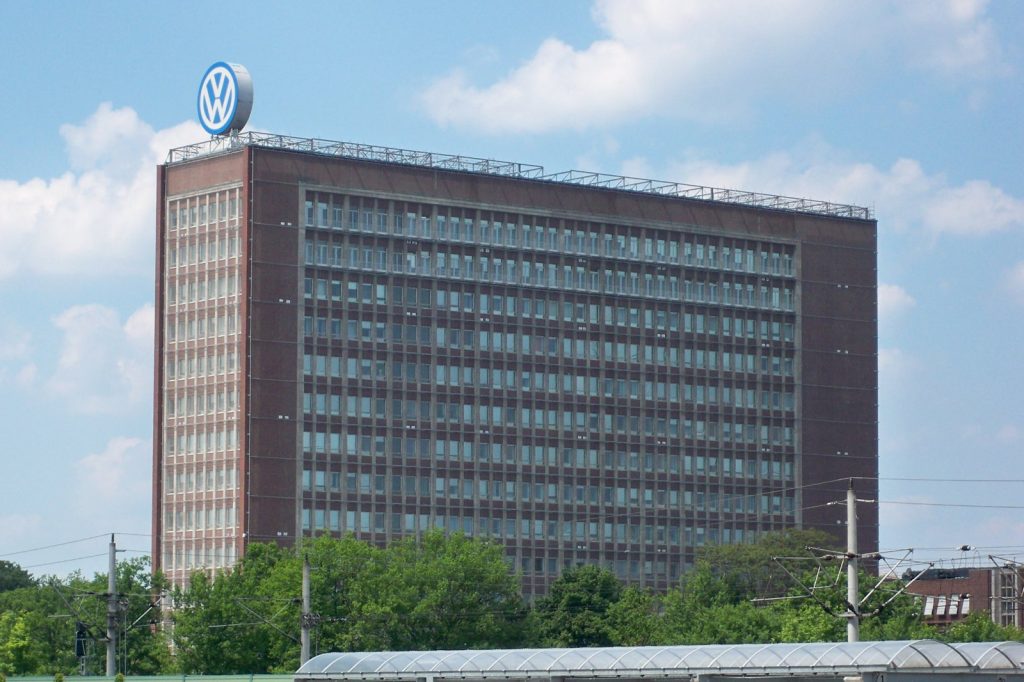
On 21 March 2020, Volkswagen disclosed that it would allocate $34.69 billion – roughly €31.3 billion – to cover fines, settlements and related costs stemming from the “dieselgate” emissions scandal that erupted in 2015. The controversy centred on the installation of defeat devices in millions of VW‑branded vehicles, allowing the cars to cheat emission tests by lowering toxic output only during laboratory measurements.
The revelation of the software manipulation triggered a cascade of regulatory inquiries, lawsuits and a sharp decline in the German automaker’s reputation and financial standing. Volkswagen’s chief financial officer, Frank Witter, projected “special effects” of €2.9 billion for 2020 and €1.2 billion for 2021. A company spokesperson later confirmed that the cash outflows had already been accounted for in the firm’s provisions, as reported by Reuters.
Beyond the legal fallout, the scandal has reshaped the broader automotive regulatory climate. Authorities across Europe and the United States have tightened emissions oversight, compelling manufacturers to demonstrate greater transparency and compliance.
Industry observers note that the heightened scrutiny will extend to Volkswagen’s next phase of development – the roll‑out of electric vehicles (EVs) equipped with high‑nickel battery cells.
Shift to High‑Nickel Batteries
In a separate statement, Volkswagen announced that from the following year it will increase the nickel content in its EV battery cells from the current 65 % to 80 %. Frank Blome, head of the company’s Center of Excellence for Battery Cells, said the change is intended to lower battery‑cell costs while boosting energy density and driving range.
The automaker aims to produce three million electric cars by 2025, and the adoption of high‑nickel chemistry is positioned as a key enabler of that target. According to Blome, the higher nickel proportion will make the batteries more efficient and cost‑effective, supporting Volkswagen’s broader ambition to expand its EV portfolio. The European Commission has welcomed the move, viewing high‑nickel batteries as a positive contribution to emission reductions and air‑quality improvements.
Nevertheless, the new technology will be subject to rigorous safety and environmental assessments, reflecting the stricter regulatory environment that emerged after dieselgate.
Industry Implications and Outlook
Analysts suggest that Volkswagen’s dual strategy – settling legacy diesel liabilities while accelerating EV development – could set a benchmark for other manufacturers facing similar emissions challenges. The International Energy Agency has highlighted the potential of widespread EV adoption to cut greenhouse‑gas emissions and improve urban air quality, outcomes that align with Volkswagen’s stated goals.
While the €31.3 billion outlay addresses the immediate financial impact of the scandal, the company’s future performance will hinge on its ability to balance fiscal discipline with the capital demands of EV production and battery research. Investors, regulators and consumers will be watching closely to see whether the high‑nickel battery program delivers on its promises of lower cost, higher range and compliance with evolving environmental standards. In summary, Volkswagen’s March 2020 announcement marks a decisive financial commitment to resolve the dieselgate fallout and a strategic pivot toward next‑generation electric mobility.
The effectiveness of the high‑nickel battery rollout will be a critical factor in the automaker’s quest to restore credibility, meet ambitious production targets and navigate an increasingly complex regulatory landscape.




