
Volkswagen faces supply chain scrutiny over nickel sourcing linked to Indonesian deforestation. An investigation reveals the automaker’s battery materials are tied to mining operations causing forest loss in Sulawesi, raising concerns about the environmental cost of its electric vehicle expansion.
Volkswagen’s Growing EV Order Book in Europe
In the first nine months of 2026, the Volkswagen Group delivered approximately 6 million vehicles worldwide. In Europe, fully electric models now account for around 40 percent of the Group’s total order backlog. Nearly 150,000 orders have been placed for the ‘Electric Urban Car Family’ in Europe. This surge in demand reflects accelerating consumer interest in electric mobility, driven by high fuel prices and the availability of affordable entry-level models.
Nickel Supply Chain Traced to Deforestation in Sulawesi
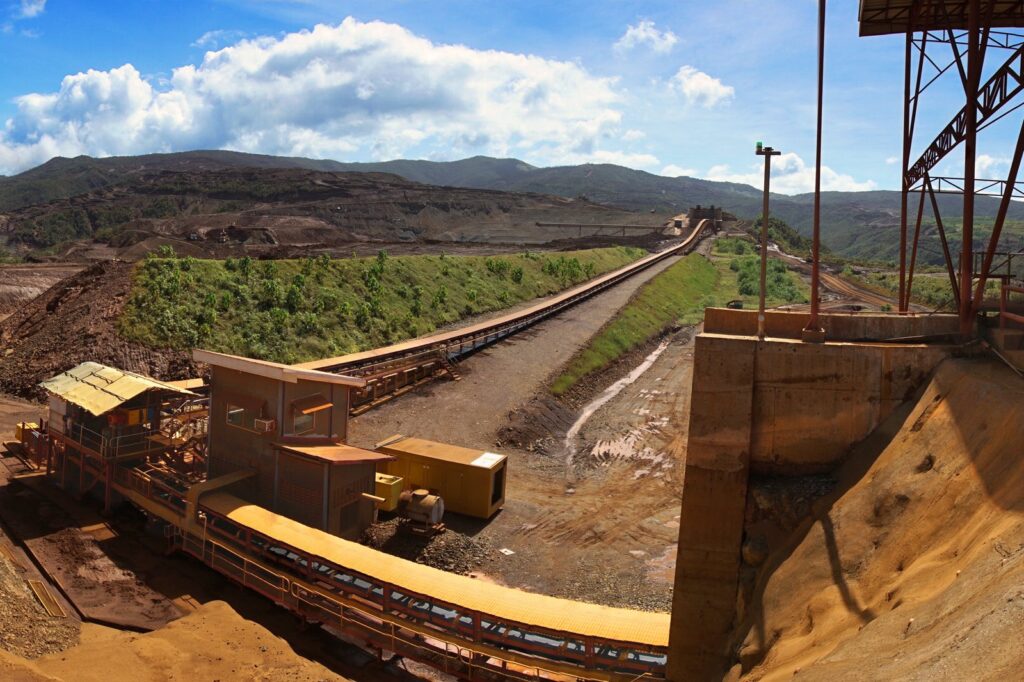
Ore from the Cahaya and Hengjaya mines in Sulawesi is traced through smelters to Chinese processing plants run by Zhejiang Huayou Cobalt. Zhejiang Huayou Cobalt supplies cathode materials to CATL, which provides batteries to Volkswagen and other automakers. Satellite analysis shows the mines have led to widespread deforestation of primary rainforest in nickel-rich lands inhabited by the indigenous Tolaki people. Nickel mining in the Cahaya concession may be responsible for two-thirds of forest loss since 2001 in that area. The Hengjaya concession has seen over half of its forest loss attributed to nickel mining.
Impact on Indigenous Tolaki Communities and Rainforest Loss
Wadimula, a Tolaki elder whose home sits on the edge of the 21,000-hectare Cahaya mining concession, said: “We used to ask the forest for protection in return for our offerings. Destroying it means destroying our own life.”. The Cahaya and Hengjaya mines are located in woodlands designated as “production forest”, which are intended for forestry rather than industrial activities. However, successive Indonesian governments have weakened safeguards and carved out exemptions for miners as demand for nickel has soared. Global demand for nickel is projected to double to 5.5 million tonnes by 2040, much sourced from Indonesia and refined in China. The carbon footprint of nickel from the worst mines may be up to 500 times greater than previously reported.
Volkswagen’s Shipment of Battery Components from Huayou-Linked Sources
This shipment is part of the traceable flow from Sulawesi mines through Huayou’s processing plants to CATL battery factories and onward to carmakers in Europe and the US. While public filings do not disclose specific volumes or timings of sales from Huayou to CATL, Huayou confirmed group-level supplies to CATL in response to a regulatory inquiry by the Shanghai Stock Exchange in 2024. Chengdu B&M, a downstream subsidiary of Huayou, has also confirmed the supply of “large quantities” to CATL.
Broader Industry Challenges in Ethical Mineral Sourcing
Electric vehicles are less environmentally harmful than fossil fuel-burning engines, which spew gases that foul the air and heat the planet. However, western carmakers have struggled to clean up supply chains for batteries built with critical minerals from Africa, Asia and South America. Environmental groups warn that a failure to curb the boom of material-hungry SUVs is exacerbating the destruction by increasing the quantity mined. The shift to a carbon-free economy is pushing up demand for critical minerals in countries with weak environmental safeguards, though experts have argued the mining boom can be tempered without slowing the shift away from dirty fuels. In 2023, a report found lithium demand in the US transport sector could be reduced by 18% to 66% compared with a business-as-usual scenario, by improving public transport, walking and cycling more, and buying smaller cars. Better recycling could bring demand reductions as high as 92%.
Global Market Performance and Alternative Powertrains
While the Volkswagen Group maintains the largest market share in Europe, its global operations face a complex landscape. In the first nine months of 2026, the company delivered approximately 6 million vehicles worldwide. However, this performance was impacted by sharp market-driven declines in China and North America, which were not fully offset by sales growth in Europe and South America.
Beyond its focus on fully electric models, the company is seeing a shift in consumer preferences toward other electrified options. The Volkswagen Group recorded a 23 percent increase in global demand for modern plug-in hybrids and range-extender vehicles during the first three quarters of 2026. These specific electrified models saw particularly high demand within the Chinese market, which has historically been the company’s largest market despite recent sales declines.
Regulatory Environment And Industry Response
According to the International Energy Agency, global demand for nickel is set to double to 5.5m tonnes by 2040, with much of it mined in Indonesia and refined in China.
The Indonesian government has designated the woodlands where the Cahaya and Hengjaya mines are located as “production forest”, intended for forestry rather than industrial activities.
Successive Indonesian governments have weakened safeguards and carved out exemptions for miners as demand for nickel has soared.
Environmental Implications of Nickel Mining for Battery Production
Nickel is a critical component in car batteries because it boosts energy density and increases vehicle range. To produce this material, limonite ore from mining concessions is transported to smelters, such as those in an industrial complex in Morowali, where it is refined into mixed hydroxide precipitate. This precipitate serves as the primary raw material for manufacturing battery cathodes.
The environmental impact of this extraction process is significant. A study published in Nature Communications last year found that the loss of trees in mining concessions means the carbon footprint of nickel from the worst mines may be up to 500 times greater than previously reported. This degradation is linked to the clearing of primary rainforests in Sulawesi to facilitate mining operations.
Sources
- Volkswagen Group
- Volkswagen Group delivers 6 million vehicles through September – Around 40 percent of the order book in Europe are all-electric models
- Revealed: VW, Ford and Tesla batteries linked to destructive deforestation of indigenous lands




