
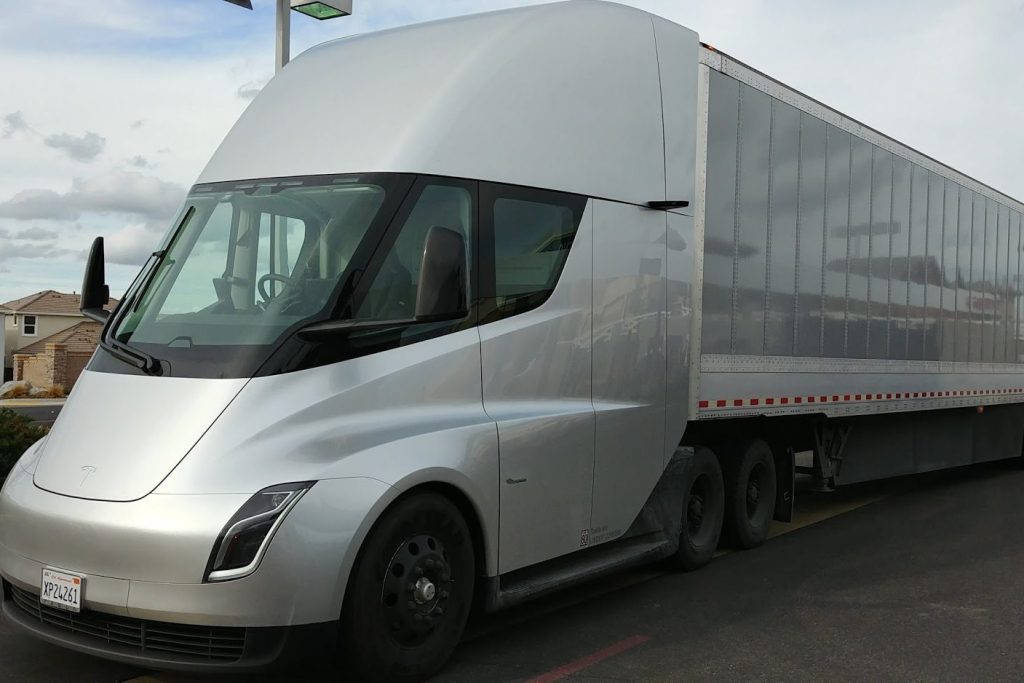
After years of delays and limited output, Tesla has set a concrete date for mass production of its Class 8 electric Semi. Volume manufacturing is scheduled to begin on April 29, 2026, nearly nine years after the vehicle was first shown in concept form in November 2017.
The production ramp marks a turning point for freight companies that have been waiting for a steady supply of battery-electric heavy trucks. Since October 2022, Tesla has been building Semis in small numbers, with initial deliveries going to PepsiCo in December of that year. Those early units demonstrated the truck’s capabilities but never reached the volume needed to change freight patterns.
The new manufacturing facility adjacent to Giga Nevada is designed to produce 50,000 Semis annually. That output would position the truck as a direct competitor to diesel-powered rigs that dominate the market. Tesla is betting fleet operators will switch for two primary reasons: lower operating costs and reduced emissions.
According to Tesla, the Semi consumes less than two kilowatt-hours per mile, roughly one-third the energy cost of a typical diesel truck. For fleets covering hundreds of thousands of miles each year, those savings accumulate quickly. The truck can haul up to 45,000 pounds of cargo, placing it in the same weight class as standard diesel semis without requiring payload trade-offs.
Two range options are available: a 325-mile version and a 500-mile variant. These cover regional haul routes and some long-haul lanes, though cross-country trips remain out of reach. Battery weight has been a concern in the industry, but Tesla says the production version will weigh the same as a comparable diesel truck, removing a major objection from potential buyers.
The broader implications for freight are significant. Trucking accounts for a large share of U.S. transportation emissions. Widespread adoption of battery-electric trucks would cut carbon dioxide output and reduce dependence on diesel, which is vulnerable to price volatility and supply disruptions. Companies with sustainability targets now have a production-scale option.
PepsiCo’s experience with early Semis will be closely watched. Strong real-world performance would accelerate adoption, while any problems would give competitors time to catch up. Other manufacturers are developing electric trucks, but none have announced production plans at Tesla’s scale.
Two key questions remain unanswered. Charging infrastructure for a fleet of 50,000 Semis per year will require massive capacity, and Tesla has not detailed how it will support customers in building that infrastructure. The company also has not released final pricing for volume-production models, which will determine whether the Semi becomes a niche product or a mainstream option.
April 29, 2026 is still 18 months away, and Tesla has missed deadlines before. If the company meets this one, the freight industry could look different. Cheaper operation, zero tailpipe emissions, and equal payload capacity make a strong case. The question now is whether the trucks can deliver on those specs in daily use across thousands of fleets.




