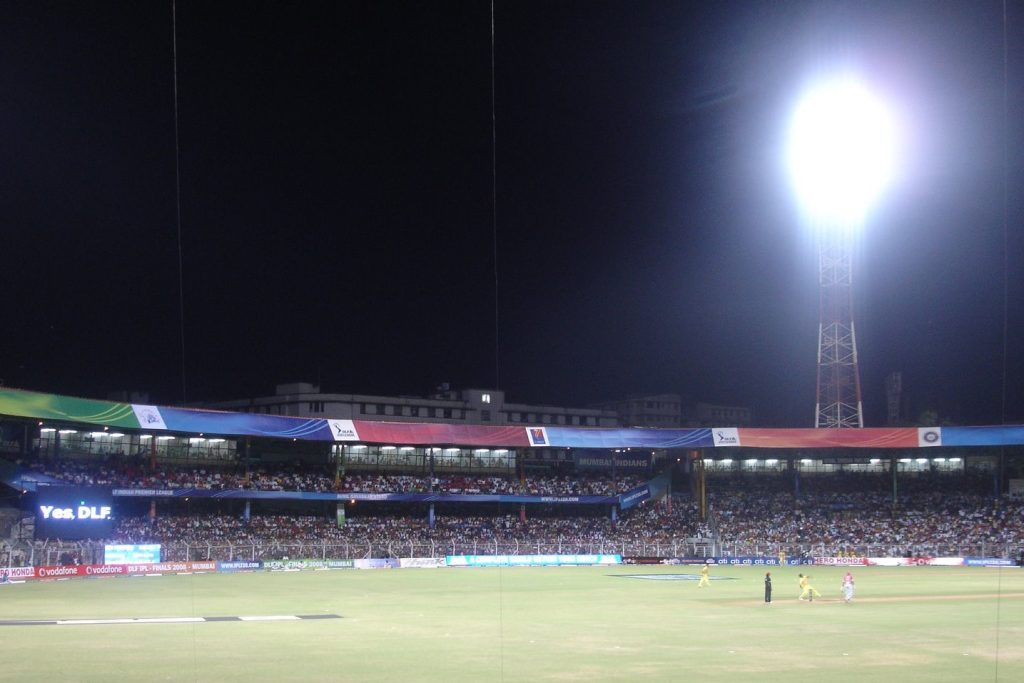
Three Rajasthan Royals cricketers in custody, investigators fanning out to four cities, a team principal about to follow. The IPL spot-fixing case moved fast in May 2013, and what it shook loose reached well past a few bad overs.
Arrests in Mumbai
Delhi Police picked up S. Sreesanth, Ankeet Chavan and Ajit Chandila in Mumbai. Police sources told the Free Press Journal that bookies were paying up to Rs 60 lakh for conceding a pre-arranged number of runs in an over, and that Chandila allegedly pocketed Rs 20 lakh. Chavan never got paid, the sources said. He was arrested the moment the match ended, before the money could change hands.
Police claimed all three had confessed. Their lawyers told a different story: the players, they said, had been falsely implicated in a “deep-rooted conspiracy”. Eleven bookies had been arrested alongside the cricketers, and six more were held in Tamil Nadu, with one each in Mumbai and Delhi.
The trail reaches Chennai
Then the case stopped being about the players. On May 24, Gurunath Meiyappan, regarded as the face of the Chennai Super Kings, was arrested and accused of cheating, fraud and forgery. His father-in-law was N Srinivasan, who ran the Board of Control for Cricket in India and owned the Super Kings. Srinivasan, the BBC noted, “stepped aside” as board president that June after the arrest. He later came back.
The Mudgal report
The Supreme Court wanted answers, and in October 2013 it appointed a panel under Justice Mukul Mudgal. Its 170-page report landed in 2014 with a blunt line: “Roots of corruption and malpractices have crept in deep into the game of cricket, more particularly the IPL, and are seeping into the game at an alarming rate.”
The panel found that Meiyappan had passed information to illegal bookmakers. It also found evidence against Raj Kundra, co-owner of the Royals, and sent the court a sealed envelope listing the cricketers and administrators allegedly involved. Srinivasan, it said, took no part in betting or spot-fixing, but knew about a player’s involvement and looked the other way.
By then the board had acted on the players. In September 2013 it handed life bans to Sreesanth and Chavan, while Chandila’s case sat undecided.
Two franchises sidelined
On July 14, 2015, a three-member committee led by former Chief Justice Rajendra Mal Lodha delivered the penalties. Meiyappan and Kundra were suspended from cricket for life. The Chennai Super Kings and Rajasthan Royals were suspended from the league for two years.
Lodha pointed at the owners. India Cements, he said, had not disciplined Meiyappan even after he was found guilty of betting; only the board had. On the Royals, he said three of their players stood accused of spot-fixing, which showed “all is not well in their handling of affairs”. Players would not stay attached to a suspended franchise, and the financial hit to them and the teams carried little weight, he said, because the game matters more than any individual.
He declined to comment on the criminal cases: “No aspect touching criminal liability has been decided by us.” The committee had also not finished with the bigger question of conflicts of interest in the board. It had spoken to 40-45 people so far, Lodha said, and meant to hear from more.
Sources
- Spot-fixing: Delhi Police teams to track money trail
- Meiyappan, Kundra banned for life; CSK, RR for 2 yrs
- IPL's Gurunath Meiyappan 'guilty' in cricket betting probe