
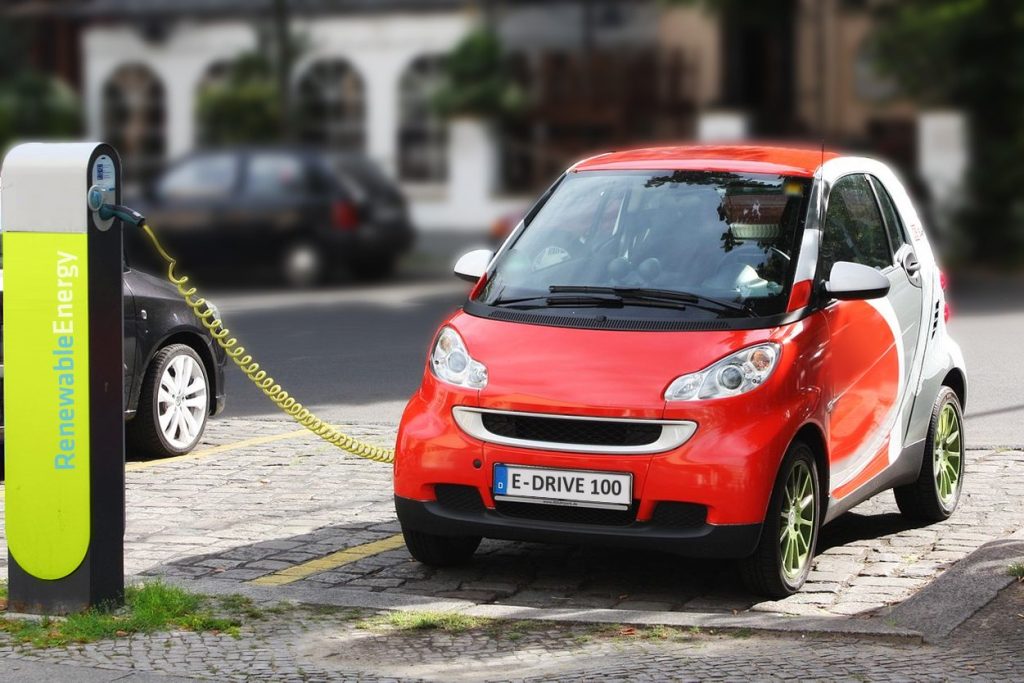
NEW DELHI, Sept. 7 — The global electric vehicle market crossed a symbolic threshold in 2022, with worldwide sales surpassing 10 million units for the first time, according to data from the International Energy Agency (IEA). For Indian buyers weighing the switch, the numbers signal a market that is no longer niche: EVs accounted for about 14% of all new car sales globally last year, up from roughly 9% in 2021.
The 55% jump from 2021’s total of approximately 6.6 million units was led overwhelmingly by China, which sold about 5.9 million EVs. Europe followed with roughly 2.6 million, while the United States trailed at about 800,000.
The IEA’s figures underline how far the subcontinent’s own adoption rate still has to climb, even as domestic manufacturers accelerate local assembly plans and charging networks expand in metros.
Manufacturers pour billions into electrification
Tesla, the leading EV manufacturer, delivered 1.31 million vehicles globally in 2022 — a 40% increase from the prior year — and reported revenue of $81.5 billion. Its Model Y became the best-selling EV worldwide, with over 750,000 units sold. The company’s scale has forced legacy automakers to respond in kind.
Ford announced in March 2022 that it would invest $50 billion in EVs through 2026, targeting a global production run rate of 2 million EVs by the end of that year. General Motors has pledged to stop selling new gasoline-powered vehicles by 2035, committing $35 billion to EV and autonomous vehicle development through 2025.
Volkswagen Group, which sold about 572,100 battery-electric vehicles in 2022, plans to invest €180 billion (approximately $195 billion) in digitalization and electrification over the next five years. That spending spree is reshaping supply chains that Asian markets depend on. Falling battery costs — down about 89% from 2010 to 2020, per the U.S. Department of Energy — have made the economics workable, but the industry still faces constraints on critical minerals like lithium, cobalt and nickel, much of it sourced from or processed in Asia.
Policy push and the road ahead
Government policy remains a key accelerator. The U.S. Inflation Reduction Act, signed into law in August 2022, provides tax credits of up to $7,500 for new EV purchases, a factor analysts note will shape export competition for Asian manufacturers eyeing American showrooms. Infrastructure, however, lags demand.
As of the end of 2022, there were approximately 2.7 million public charging points worldwide, with China accounting for more than half of them. The IEA projects EVs will represent about 60% of new car sales globally by 2030 if countries meet their climate pledges.
The stakes extend beyond the showroom floor. Transportation accounts for about 24% of global energy-related CO2 emissions, according to the IEA, making electrification central to climate strategy. New entrants like Rivian and Lucid Motors, both of which began deliveries of their first models in 2021, are challenging established automakers to adapt or risk losing ground.
For India, the question is whether domestic policy and manufacturing momentum can capture a larger share of a market now scaling at record pace — and whether the charging and mineral-supply bottlenecks that shadow the global transition get resolved before they stall it.




