
Buy 100 “Yes” contracts at $0.60 and you have spent $60. If the event happens, the payout is $100. If it doesn’t, the contracts settle at zero. That small piece of arithmetic is the quickest way into the difference between a prediction market and a sportsbook, two products that look alike on a phone screen and work very differently underneath.
Who is on the other side
A prediction market is an exchange. Users buy and sell “Yes” and “No” contracts on a future event, and the platform matches orders between them. Prices run from $0.01 to $0.99 and move with supply and demand. A contract at $0.65 implies roughly a 65% chance the event happens.
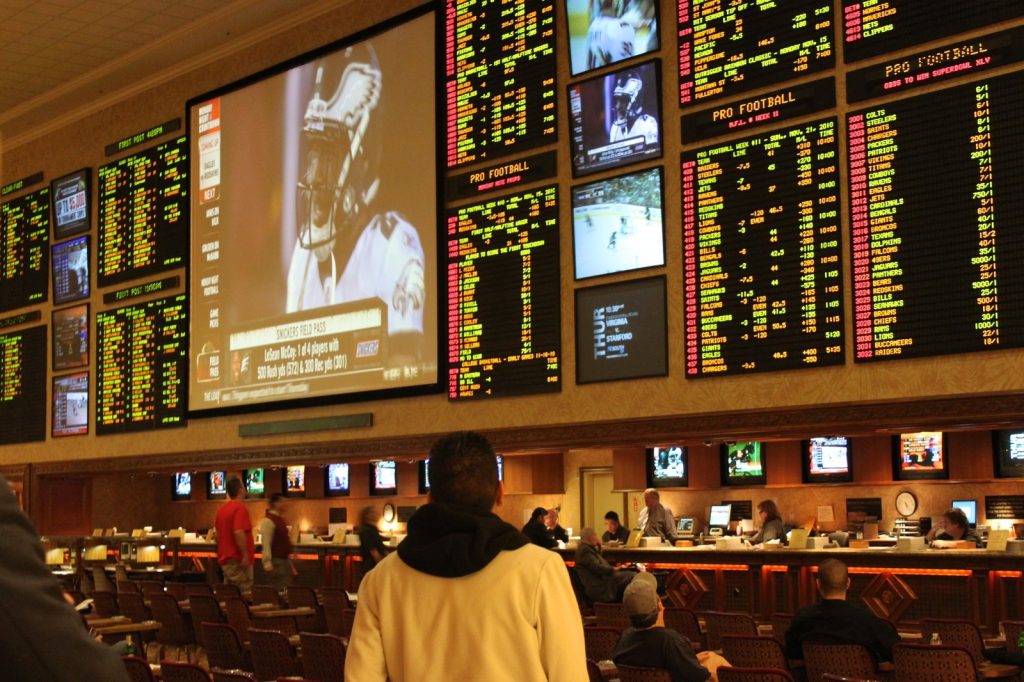
A sportsbook takes the other side of every wager itself. It sets the odds, accepts the bet and pays out or doesn’t. The odds carry a margin known as the vig, which gives the house an edge whatever the result.
The money flows differently too. A prediction market platform earns fees on trading volume, win or lose. A sportsbook’s income depends on pricing lines that favor the house over time.
Fees and pricing
Sports Illustrated puts the typical prediction market trading fee at 1% to 2%, varying by platform and market, and highest on contracts priced near 50 cents. The fee is explicit and can be worked out before a trade. A standard -110 sportsbook line carries a vig of roughly 4.5%, and the hold climbs past 10% on parlays and futures. Nobody itemizes it. It sits inside the price.
Prices on a prediction market shift as news comes in. Sportsbook odds are fixed at the moment the bet is placed.
What you can bet on
Sportsbooks stick to athletic competition: games, matchups, tournaments. Prediction markets cover those and a good deal more, including elections, inflation data, interest rate decisions, crypto prices and award-show winners. Kalshi and Polymarket are the two biggest platforms, and both list sports markets.
Is it gambling?
It depends on where you live. Sports betting counts as gambling in most places. Prediction markets are often called information markets, because users trade against each other and profit depends on forecasting accuracy rather than a fixed house edge. Some jurisdictions still treat real-money prediction markets as gambling.
Regulation splits along the same line. In the United States, prediction markets answer to the CFTC, and Kalshi is the largest CFTC-regulated platform. Sportsbooks are licensed state by state and are legal only where a state has authorized them. In Canada, sports betting is regulated at the provincial level. Minimum ages differ as well: prediction markets generally require users to be 18 or older, while sports betting minimums are commonly 21.
Do people make money?
Few do. Studies of platform trading data, as Sports Illustrated describes them, found that only a small share of users, often cited in the low single digits, show consistent skill at beating the market. A small slice of accounts captures most of the profit. Most traders end up flat or down once fees and bad prices are counted. The guide calls profitable trading on these platforms “closer to a coin flip than a reliable income source.”
Prediction market prices are often cited as strong forecasts, particularly in liquid markets with plenty of buyers and sellers. Thin markets with few participants price less reliably. Economists have studied such markets since at least the 1980s.
Plenty of people use both, picking whichever fits the event in front of them.
Sources
- Prediction Markets vs Sports Betting: Key Differences (2026)
- Prediction Markets vs Sports Betting: Key Differences
- Prediction Markets vs. Sports Betting: Key Differences | Wealthsimple
Sources
- Prediction Markets vs Sports Betting: Key Differences (2026)
- Prediction Markets vs Sports Betting: Key Differences




