
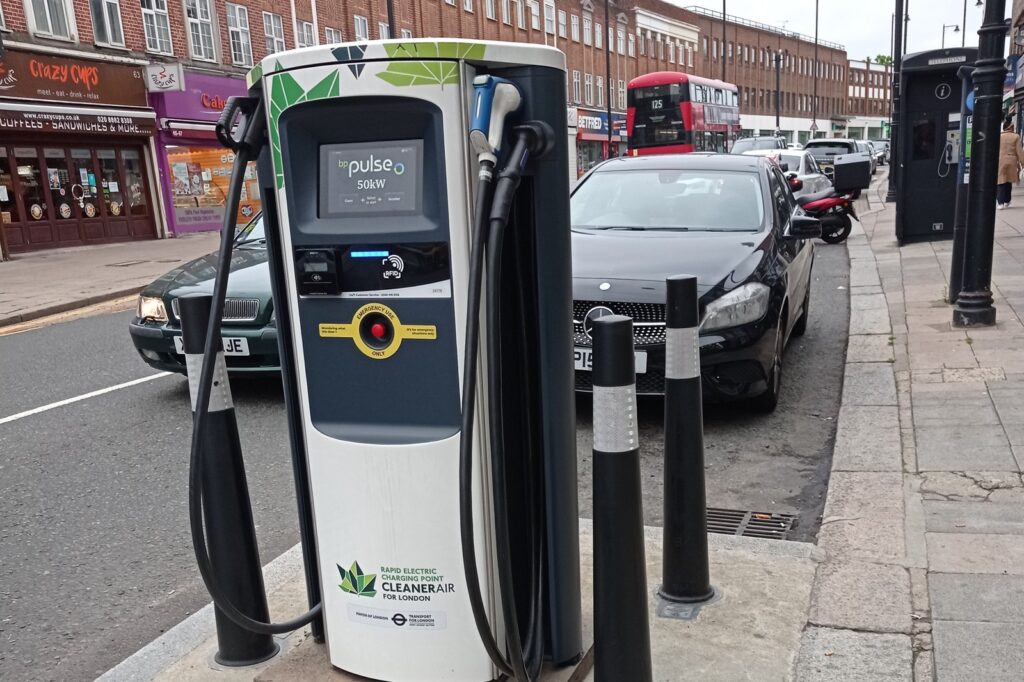
The UK government is expected to cut its electric vehicle sales target for 2030 by about a quarter to around 60%, according to government sources. This decision will likely have a significant impact on the electric vehicle market, including the models available to British buyers in 2025.
Understanding The Zero Emission Vehicle Mandate
The Zero Emission Vehicle (ZEV) mandate is a piece of legislation that came into force in the UK and Europe in January 2024, setting annual targets for the proportion of new cars sold by manufacturers that must be zero-emission vehicles. In 2024, 22% of manufacturers’ new vehicle sales had to be ZEVs, rising to 28% in 2025 and 33% in 2026. The targets were previously set to reach 38% in 2027, 52% in 2028, 66% in 2029, and 80% in 2030, with a 100% target by 2035.
How The ZEV Mandate Works
Manufacturers who fail to meet these quotas face penalties of £12,000 for every car sold over the limit. However, manufacturers are given flexibilities that allow them to factor in fleet emissions and gain back credits. They can also buy credits from manufacturers that have passed their targets, such as Tesla. This system is designed to encourage the transition to electric cars while giving manufacturers some flexibility and time to improve within the legislation if they’re falling short of ZEV targets.
Current Sales Numbers And Market Share Gaps
Battery-electric vehicles accounted for 26.6% of new car sales year-to-date, falling short of the 33% target for 2026. New car registrations in October rose 5.4% year-on-year, with BEVs reaching a record monthly share of 32%. However, the full-year share is expected to remain at just 26.6%, well below the 33% target mandated for 2026. The Society of Motor Manufacturers and Traders (SMMT) forecasts the gap will widen further: 32% versus a 38% target next year, and 37.5% versus a 52% target in 2028.
What Reduced Targets Mean For Future EV Availability
With the expected cut in EV targets, manufacturers may not need to produce as many electric vehicles to meet the reduced quotas. This could lead to a decrease in the variety of EV models available to British buyers in 2025. However, it’s worth noting that manufacturers have been spending billions on discounts, interest-free loans, and subsidies to meet annual mandates, which has driven growth in the EV market. As the market continues to evolve, it will be important to watch this space and see how the reduced targets impact the availability and affordability of EVs for British buyers. The trend underneath this development is a shift towards a more gradual transition to electric vehicles, which may have significant implications for the UK’s decarbonisation goals. What’s changing is the pace of this transition, and it will be crucial to monitor the effects of the reduced targets on the EV market in the coming years, with the next scheduled review of the ZEV mandate expected by the end of 2026.
Sources
- Labour expected to cut EV targets for UK’s car industry despite MPs’ protests
- Zero-emissions vehicle
- What is the ZEV mandate?
- UK government expected to cut 2030 EV sales target to 60%, Guardian reports
- ZEV Mandate ambition must be matched by action – FleetPoint
- UK New Car Market Rises 5.4% in October; BEV Share Hits Record 32% but Falls Short of Mandate Target — BigGo Finance
Photo: Philafrenzy (CC BY-SA 4.0)




