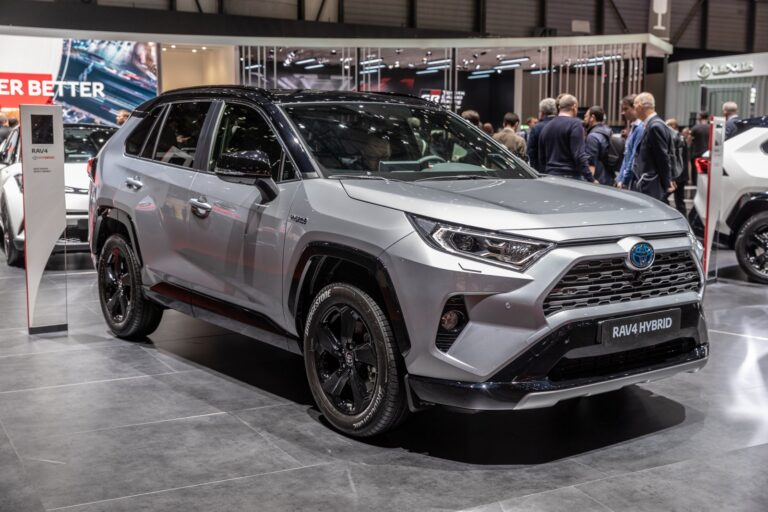
Only 4,909 cars found buyers in China during the first 16 days of February 2020. A year earlier the same stretch had produced 59,930 sales. That is a fall of 92%, and the Guardian reported it on 21 February, citing figures from the China Passenger Car Association.
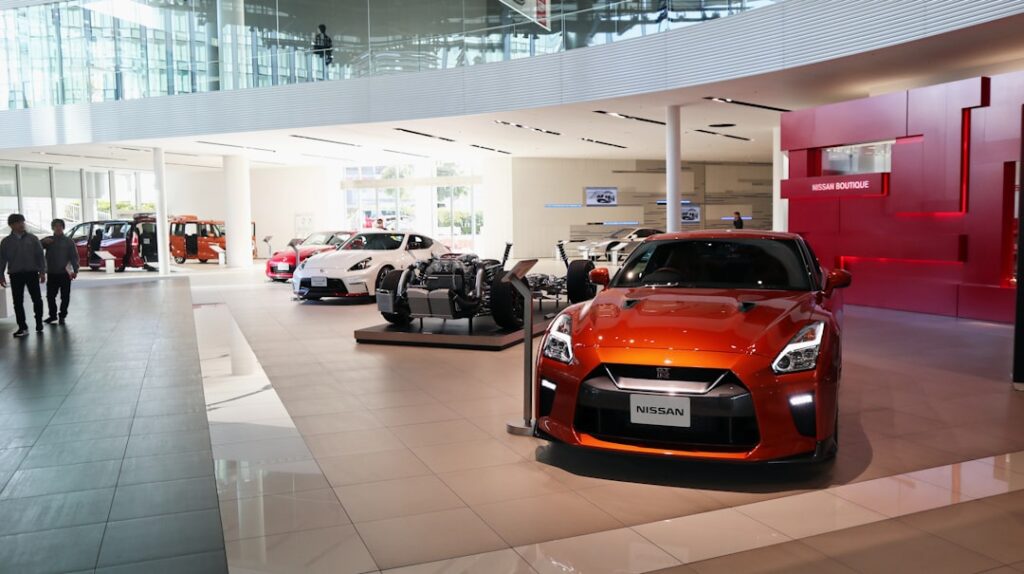
The first week was worse: down 96%. Cui Dongshu, the association’s secretary general, described a market with almost nobody in it. “There was barely anybody at car dealers in the first week of February as most people stayed at home,” he said. Few showrooms opened at all, and those that did saw very little foot traffic.
A shutdown with a long reach
The coronavirus lockdown did more than keep buyers away. It also upset the supply side. Nissan and Honda pushed back the restart of their plants near the centre of the outbreak until at least 11 March. Jaguar Land Rover had said it was making no sales in China, and its chief executive, Ralf Speth, said the company had been flying parts from China to Britain in suitcases because supplies were running dry. Fiat Chrysler warned that one of its four European plants could stop if Chinese deliveries stayed disrupted.
The effects were felt well beyond Asia. Carmakers need tens of thousands of parts for each vehicle, and many of them come from China.
Selling cars through a screen
With the showroom shut, manufacturers turned to the internet. By 27 February the BBC reported that Geely, China’s largest privately owned car maker, had joined Tesla, BMW and Mercedes-Benz in actively selling cars online. Geely’s customers could order and customise a car on its website. Test drives came to the buyer: the car was driven straight to their home address, in what Geely called a fully “contactless” purchase.
Mercedes-Benz said it was working with its Chinese dealer partners to support online channels. “In face of the current situation, we have extended our online offer and observe a positive response from our customers,” a spokesman said. Tesla, the BBC noted, had already been moving more of its sales online to stay “financially sustainable”.
Analysts saw a longer story in it. Frost & Sullivan estimated that almost 825,000 new vehicles were sold online worldwide in 2019, either through online financing or by a part payment made online. It projected 6 million online sales by 2025. Sarwant Singh, a managing partner at the consulting firm, said the postponement of purchase decisions in China was pushing manufacturers to redirect resources toward online marketing and e-commerce.
Whether buyers would stay online once showrooms reopened was still an open question at the end of February.
Sources
- China turns to online car sales as coronavirus spreads (BBC News)
- China car sales tumble by 92% as coronavirus weighs on industry (The Guardian)