WASHINGTON, November 26, 2026 — A federal court has upheld the Consumer Product Safety Commission’s authority to treat Amazon as a distributor for goods sold through its Fulfillment by Amazon program, dismissing the company’s challenge to a recall order covering more than 400,000 hazardous products. The ruling arrives as bipartisan legislation seeks to expand the agency’s penalty powers for the first time in decades.
An independent mandate from 1972
Congress created the CPSC in 1972 as an independent agency, charged with protecting the public from unreasonable risks of injury or death associated with consumer products. The statute mandated a bipartisan slate of commissioners designed to insulate safety decisions from political turnover. The agency’s jurisdiction spans thousands of product categories, including off-road powersports equipment such as youth all-terrain vehicles, where mandatory federal standards govern speed limitations, braking performance, and warning labels.
The Amazon precedent
The technical reality of the FBA model — where Amazon stores inventory, processes payments, manages customer communications, and handles returns — persuaded the U.S. District Court for the District of Maryland that the company functions as a distributor under the Consumer Product Safety Act. On November 24, the court granted the CPSC summary judgment and dismissed Amazon’s lawsuit challenging a January 2025 recall order. The order covered faulty carbon monoxide detectors, hair dryers lacking electrocution protection, and children’s sleepwear violating flammability standards, all sold by third-party merchants using FBA.
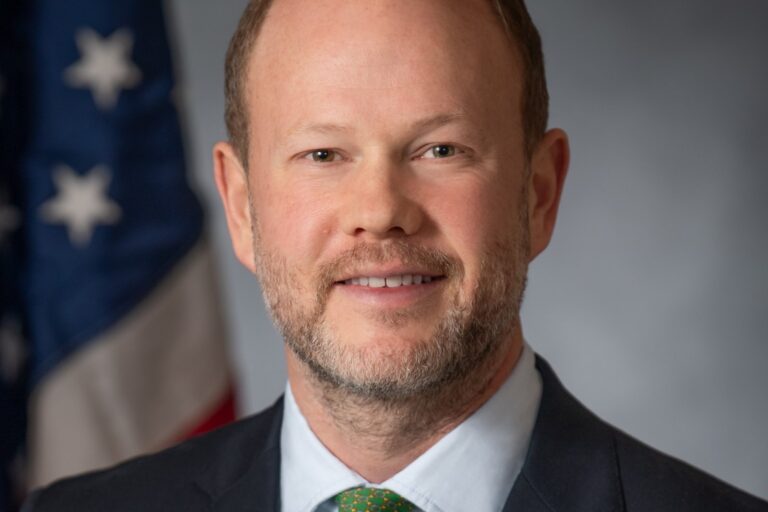
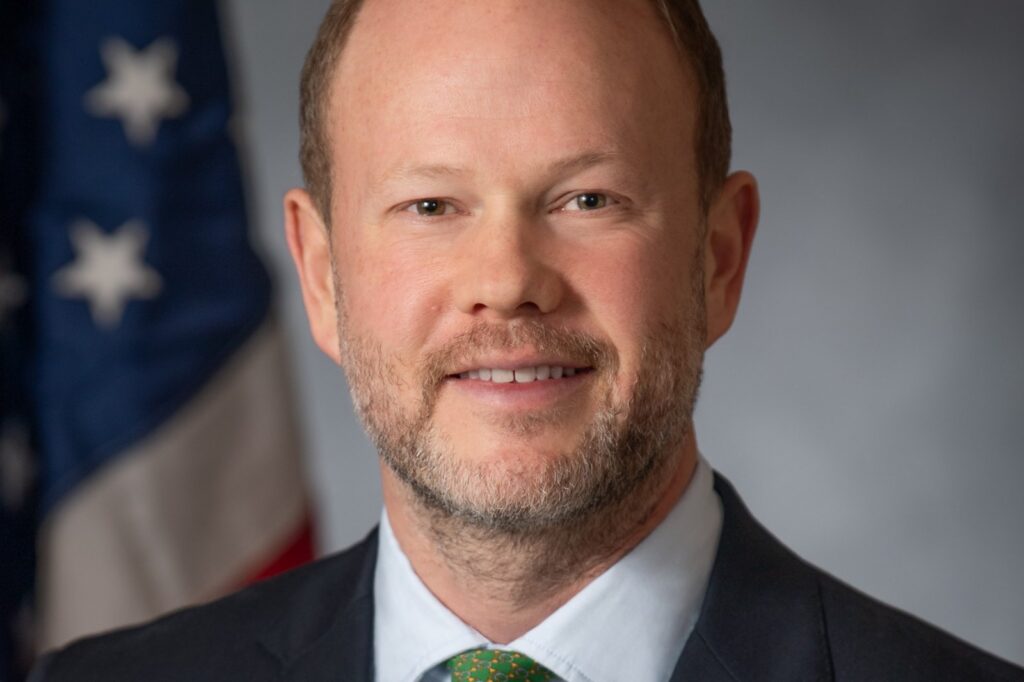
Acting Chairman Peter A. Feldman said the decision ensures American families receive the same consumer safety protections whether they shop online or in a brick-and-mortar store. Amazon must now notify purchasers directly, provide full refunds upon proof of destruction, maintain recall records for five years, and file monthly compliance reports. The company had argued its First Amendment rights were violated by commissioners shielded from presidential removal; the court rejected that claim.
Legislative push for stronger penalties
As ever, the detail that matters is the gap between statutory authority and corporate balance sheets. Under current law, civil penalties cap at $100,000 per violation and $15 million for a related series — figures lawmakers argue have become a cost of doing business for mega-corporations. On November 20, Representatives Jan Schakowsky and Kevin Mullin introduced the Consumer Advocacy and Protection (CAP) Act to increase those maximums. Senator Peter Welch filed companion legislation in the Senate. The bills aim to deter violations by making the financial consequence proportionate to the severity of the hazard.
Recalls keep moving
The agency’s day-to-day workload continues alongside the high-profile litigation. On November 26, the CPSC announced recalls for approximately 294 Kakgold remote-controlled stunt vehicles — sold on Amazon between July and September — because children can access button-cell and lithium-ion batteries in the remote, posing ingestion hazards. Another recall covers 83 Boshengya shag area rugs sold on Amazon in September and October that fail federal flammability standards. Both sellers are offering full refunds.
Sources
- It Sure Looks Like Someone's Trying To Stack The Consumer Product Safety Commission. Product Safety Doesn't Care Who You Voted For
- Schakowsky, Mullin Introduce Legislation to Enhance Consumer Protection, Hold Mega-Corporations Accountable for Consumer Safety Violations
- You could be owed a full refund as Amazon loses court fight over 400,000 dangerous products
- Amazon Loses Court Challenge to CPSC Recall Order for Hazardous Goods
- Amazon.com stock faces recall duties after court backs CPSC
- Remote-controlled toys, shag rugs recalled over battery and fire hazards
Photo: Consumer Product Safety Commission (Public domain)