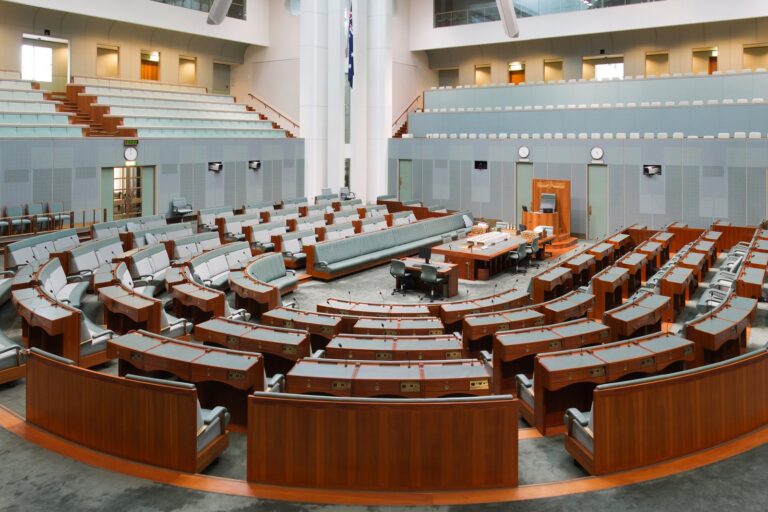
CANBERRA, November 24, 2026 — Chinese automaker BYD is urging the Australian parliament to leave the country’s electric vehicle discount unchanged, arguing the incentive remains a decisive driver of EV adoption. The Electric Vehicle Council, the sector’s peak body, is backing a Senate bill that would phase down the concession, saying the move is necessary to prevent the scheme from being scrapped entirely as its cost to the budget surges.
The Discount and Its Cost
The fringe benefits tax exemption applies to electric vehicles priced below the luxury car tax threshold of $89,332 when purchased through novated leases. The arrangement lets employees pay for the vehicle and its running costs from pre-tax salary, lowering their taxable income. Since the scheme began in July 2022, EV sales have expanded rapidly, driving the cost of the exemption up by roughly 1,400 per cent. The federal government estimated the forgone tax revenue at $1.35 billion for the 2025-26 financial year.
What the Bill Proposes
The Electric Car Discount Amending Bill is before the Senate with lobby groups pressing for passage before the final sitting day on November 26. If enacted, the changes take effect from April 1, 2027. Vehicles priced at $75,000 or less would retain the full 100 per cent FBT exemption. Models between $75,000 and the luxury threshold would receive a 25 per cent discount. From April 1, 2029, all eligible EVs below the luxury threshold would move to the 25 per cent rate.
BYD’s Position
BYD Auto, the vehicle-making subsidiary of China’s BYD Company, has sold battery-electric and plug-in hybrid models in Australia since 2021. In a statement to WhichCar, the company said the discount in its current form is “unequivocally a key driver for EV purchase” and warned that any dilution would affect uptake. “We also understand the fiscal pressures facing government so we have to accept that changes may be made,” the statement said. “But what must remain is having incentives and policy certainty in place to help Australians transition to cleaner, sustainable and more cost-effective energy for their mobility needs, especially in the midst of increasing cost-of-living pressures.”
The Council’s Calculus
Electric Vehicle Council chief executive Julie Delvecchio described the phased cuts — outlined in the May federal budget — as a “sensible path to reduce the cost of the electric car discount” amid reports the scheme faced an uncertain future. The council and aligned groups argue that passing the bill now locks in a structured reduction and shields the incentive from more severe cuts or outright abolition driven by the budget blowout.
Sources
- Albo’s electric car discount scheme has saved Aussies an absolute fortune. Here’s why BYD wants it to stay as is – and the nation’s peak EV body wants it watered down
- BYD Auto
- BYD Is Winning Over Japan With A Very Japanese Kind Of EV
- BYD's folding steering wheel isn't a concept — it's in a $49K SUV now
- BYD banned from selling Defender lookalike in Europe
- Land Rover Scores Huge Win In War On Chinese Defender Copycats
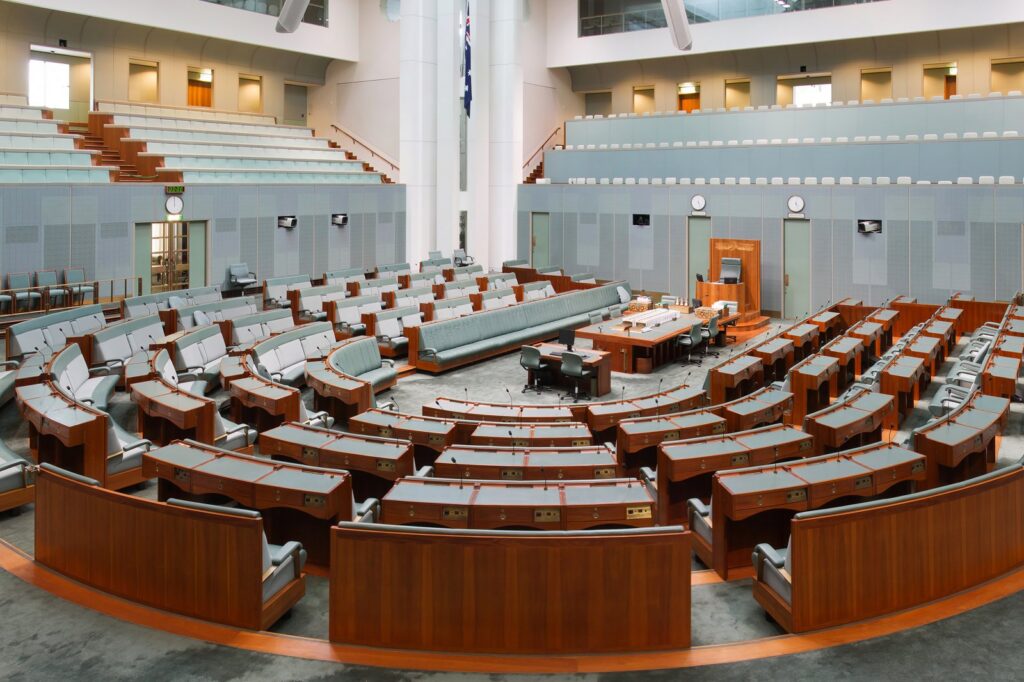
Photo: JJ Harrison (https://www.jjharrison.com.au/) (CC BY-SA 3.0)