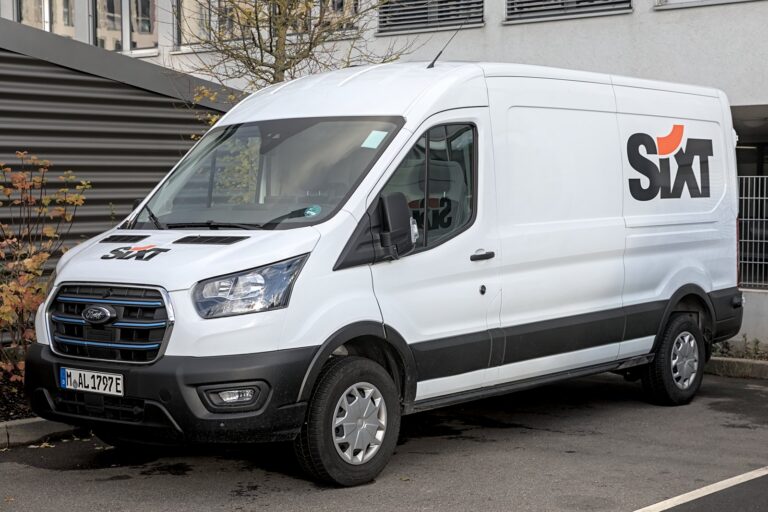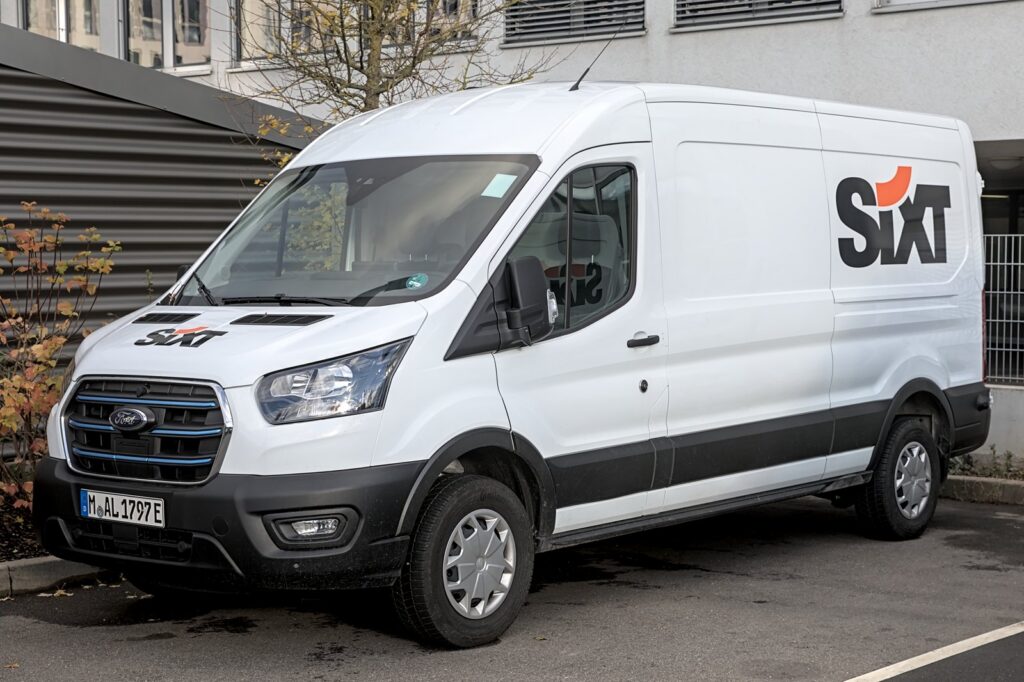
The Ford E-Transit has set the standard for North American fleet electrification, with proven battery durability, a versatile upfit ecosystem, and lower total cost of ownership. As the best-selling van in the US since 2015, the Transit has a long history of success, and its electric counterpart, the E-Transit, is following suit.
Proven Battery Longevity
Ford’s EV batteries have been shown to retain more than 90% health on average after 100,000 miles, with 95% of vehicles falling between 87% and 97% health. Over 2,000 2021 model-year Ford EV owners have crossed 100,000 miles with their original batteries averaging better than 91% health, while over 30 have crossed the 200,000-mile mark and average 88% health. This data, collected from over 36,000 Ford EVs covering two billion miles across the US and Canada, demonstrates the reliability of the E-Transit’s battery.
Total Cost Of Ownership Advantages
The E-Transit offers lower total cost of ownership compared to diesel-powered vans, thanks to reduced servicing costs and the avoidance of diesel emissions equipment issues. Electric vans like the E-Transit also provide a more refined and easier driving experience, with lower fuel costs and government grants making them an attractive option for businesses.
Versatile Configurations And Upfit-Ready Platform
The E-Transit is available in cargo van, chassis cab, and cutaway configurations, making it a versatile option for upfitters and local fleets. The 2027 E-Transit adds a NACS fast-charging adapter as a standalone option, perimeter alarm as standard, and a factory-installed dock light package, further enhancing its appeal to commercial fleets.
Major Fleet Deployments Validate Reliability
DPD, a premium parcel delivery company, has deployed 381 additional E-Transits in the UK after four years of proven performance and support from TrustFord’s mobile service network. This significant investment demonstrates the E-Transit’s reliability and suitability for commercial fleets. DPD has also invested £300 million (US$441 million) into seven new distribution centers with EV charging facilities, highlighting the growing demand for electric vans.
Rivals Benchmark Specs Against E-Transit
The Rivian Commercial Van, a direct competitor to the E-Transit and Mercedes eSprinter, offers a range of up to 161 miles per charge for the Delivery 500 and 153 miles for the Delivery 700. As Olly Craughan, DPD’s Head of Sustainability and Social Purpose, noted, “Ford is a strong partner for DPD, and we already operate a significant number of E-Transits. They have performed well for us over the last four years.”
The Ford E-Transit’s success can be attributed to its technical reality, with under the hood innovations and a focus on the detail that matters. As the North American fleet electrification market continues to grow, the E-Transit is well-positioned to remain the standard-bearer, with its reliability, versatility, and cost-effectiveness making it an attractive option for businesses. With over 8 million Transit vans sold worldwide, the E-Transit is building on a legacy of success, and its impact will be felt for years to come, as ever, a testament to the power of innovation and commitment to excellence.
Sources
- Ford Transit
- 2027 Ford E-Transit
- DPD plans to deploy 381 more Ford electric vans in the UK
- Ford's EV batteries retain more than 90% health after 100,000 miles
- Buy a Rivian Electric Commercial Van, and You Can Cosplay as an Amazon Delivery Driver
- The best electric vans for 2027 | Electrifying.com
Photo: Alexander Migl (CC BY-SA 4.0)