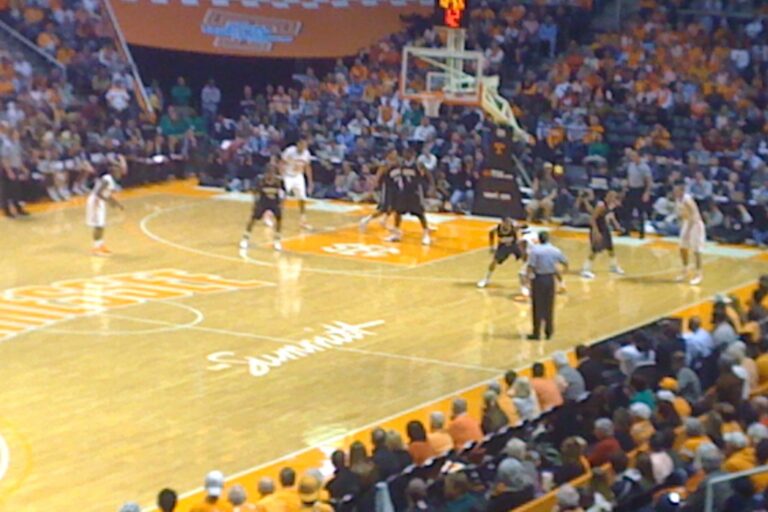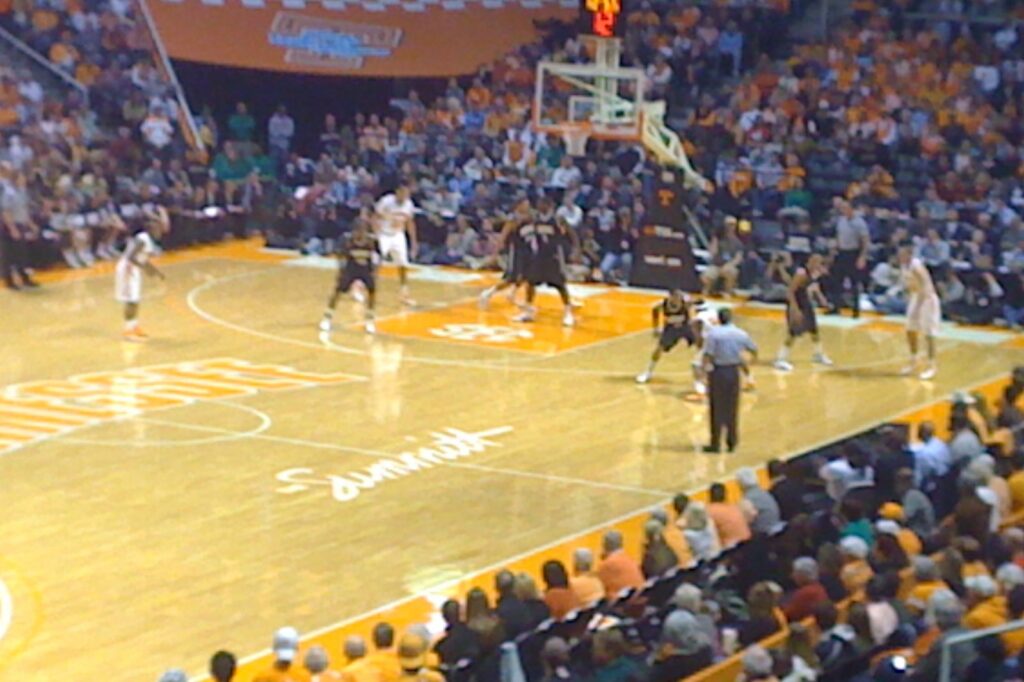
KNOXVILLE, November 12, 2026 — The University of Tennessee conducted a mock collective bargaining session with its men’s basketball team on November 10, producing a prototype term sheet designed to replace the current unregulated name, image and likeness environment with binding labor contracts. Athletic director Danny White partnered with the college athlete association Athletes.org to draft the framework, which he argues offers the fastest path to stabilizing the college sports industry.
The Exercise and Its Architects
The session brought together three elected player representatives — graduate student Tyler Lundblade, junior Zakai Zeigler, and freshman Bishop Boswell — to negotiate on behalf of the full roster. Athletes.org executive director Brandon Copeland and founder Jim Cavale facilitated the player side, while White represented the university administration. Over multiple rounds of talks, the two sides arrived at a term sheet covering contractual compensation, a salary cap structure, performance bonus pools, a rookie wage scale for freshmen, guaranteed medical coverage, transfer portal parameters, enforcement mechanisms and agent policies.
From NIL Patchwork to Labor Framework
Collective bargaining agreements function as labor contracts that establish wage scales, working conditions, grievance mechanisms and rights to participate in workplace affairs. The Tennessee exercise aims to substitute the current NIL patchwork — a series of individual commercial deals with no standard terms — with a single binding agreement governing the athlete-university relationship. White has positioned the model as a way to avoid the state-law conflicts that critics say would block traditional unionization, describing an employment structure he believes sidesteps those barriers.
Governance and Revenue Sharing in the Prototype
The term sheet introduces governance rights that do not exist under the current system. Players would gain a formal seat in decisions affecting revenue distribution, transfer rules and disciplinary standards. The salary cap and bonus pool structures mirror professional leagues, creating predictable cost controls for athletic departments while guaranteeing players a defined share of the revenue they generate. Medical coverage and transfer portal windows become contractual obligations rather than discretionary policies.
White’s Calculus and the National Ambition
“We are going to be at a CBA at some point. My position all along is the faster we can sprint to that, the better college sports will be,” White said. He framed the exercise as a prototype for college executives nationwide, intended to be extrapolated across schools and sports into a future national bargaining deal with major college players. White argued that giving athletes a voice “doesn’t have to be something we are afraid of. They want a lot of the same things we want.”
Legal Precedent and the Employee Question
The framework rests on a shifting legal foundation. The National Labor Relations Act of 1935 established the right to collective bargaining for private-sector employees, but the Supreme Court held in 1979 that the NLRB could not assert jurisdiction over church-operated schools without violating the First Amendment. Public universities face separate statutory hurdles. The Tennessee model attempts to navigate these constraints by designing an employment classification that White believes resolves the jurisdictional issues that have historically blocked athlete unionization.
What Comes Next
The term sheet remains a theoretical exercise. Implementation requires either NCAA adoption of a national bargaining framework or congressional action defining athlete employment status. White’s prototype now circulates among college executives as a concrete reference point for negotiations that have moved from abstract debate to drafted terms.
Sources
- Collective bargaining
- Faculty assembly updated on common curriculum, collective bargaining and more
- MLR, USRPA Reach Historic CBA for American Rugby
- Colorado's Douglas County School District inches closer to collective bargaining with teachers
- College sports may be headed for a CBA. Tennessee just offered a glimpse of what that could look like
- Douglas County Schools take next step in collective bargaining talks with DCSD teachers
Photo: TN 66 (CC0)