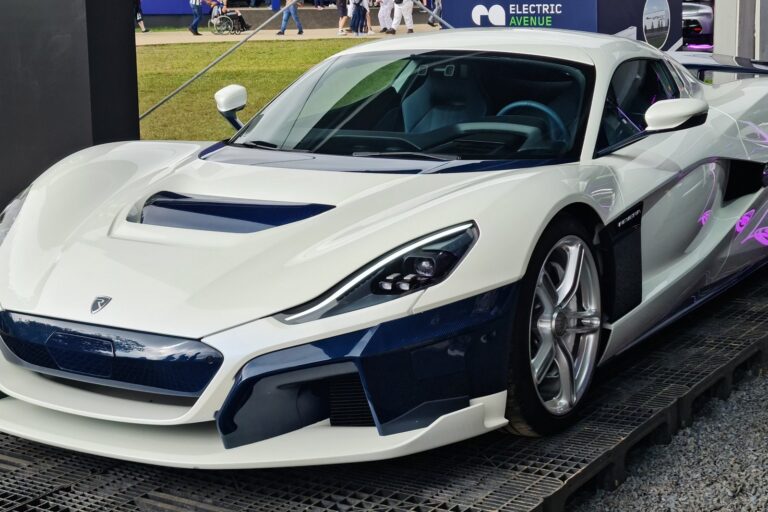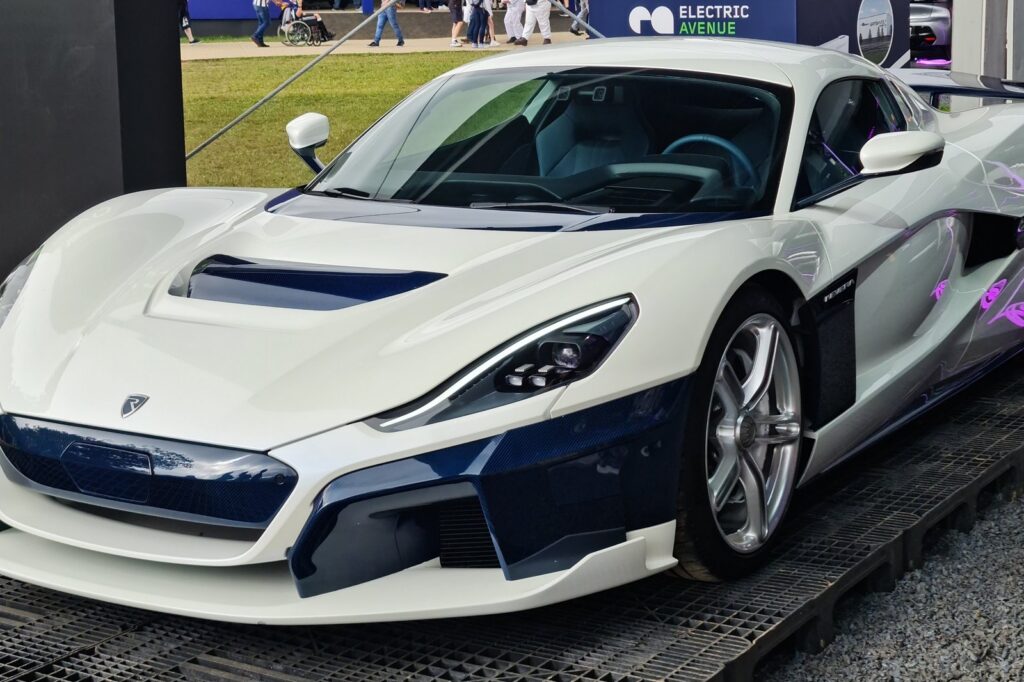
The Rimac Nevera, a 2,000-horsepower electric hypercar, has officially ended production after just 71 units, far short of its 190-car target. Here’s what led to this decision.
The Numbers Don’t Lie
Rimac initially planned to build 150 standard Neveras and 40 high-output Nevera Rs, totaling 190 cars. However, only 71 were produced: 51 standard models and 20 Rs. The Nevera R, with its 2,078 horsepower, set multiple speed records in 2025, including a 0-60 mph time under two seconds.
Technical Triumphs
The Nevera held records for top speed (258 mph), reverse speed (171 mph), and a Nürburgring lap time of 7 minutes 5.298 seconds. Though its top-speed record was later broken by the Chinese Yangwang U9 Xtreme, the Nevera remains a benchmark in electric hypercar performance.
Strategic Shift
Rimac CEO Mate Rimac explained that the Nevera “did its job” by proving the company’s technology and enabling the Bugatti Rimac partnership. The company is now pivoting to component supply, focusing on e-axles, solid-state batteries, and hybrid systems for OEMs like BMW, Porsche, and CEER.
Market Realities
The hypercar market is niche, and Rimac’s shift aligns with its broader strategy after taking a controlling stake in Bugatti in 2021. Despite the low volume, Rimac claims the Nevera is the world’s best-selling electric hypercar, a testament to its impact.
In plain terms, the Nevera’s cancellation isn’t a failure but a strategic move. Think of it like a sprinter who wins the race and then steps off the track to coach the next generation. Rimac is now focusing on powering other brands, ensuring its technology lives on in new forms.
Sources
- 2,000 HP, 71 Cars, Officially Canceled: Say Goodbye To The Rimac Nevera
- Rimac Nevera
- Rimac Nevera to be discontinued by end of 2026; Only 71 cars built – The Supercar Blog
- Rimac's Electric Hypercar Is Dead Earlier Than Expected
- Rimac Nevera production ends early, production plans not reached
- Electric hypercar maker Rimac takes over VW's Bugatti
Photo: MrWalkr (CC BY-SA 4.0)