Volkswagen has paused further investment in its proposed India electric vehicle programme while it awaits clarity on partnership talks with the JSW Group. The hold on capital spending highlights the complex friction between local joint venture negotiations and strict financial constraints facing traditional automotive manufacturers in emerging markets.
The Background of Volkswagen Operations in India
Škoda Auto Volkswagen India Private Limited operates as the wholly owned Indian subsidiary of the German automotive manufacturing company Volkswagen Group, having formed in 2001. On October 7, 2019, Volkswagen Group India announced the merger of its three Indian subsidiaries into a single entity headquartered at Pune. The subsidiaries included Volkswagen India Pvt. Ltd., Volkswagen Group Sales India Pvt. Ltd., and Škoda Auto India Pvt. Ltd. The company manufactures and sells Volkswagen, Audi, and Škoda vehicles in India, while also offering Porsche, Lamborghini, and Bentley models through import channels.
The company operates two main manufacturing facilities within the country. The first plant at Chakan near Pune in Maharashtra was previously owned by Volkswagen India and maintains an annual capacity of 200,000 vehicles. Another facility in Aurangabad, Maharashtra, was previously operated by Škoda Auto India and is primarily used for completely knocked down assembly of Volkswagen, Škoda, and Audi vehicles. In addition, Volkswagen built an engine assembly facility at its Chakan factory in 2015, representing an investment of approximately 240 crore or 710 million euro, with a production capacity of about 98,000 engines annually.
Partnership Shifts and Financial Pressures
Global legacy automakers attempting to enter or expand within the Indian electric vehicle sector face acute cost pressures and shifting alliance strategies. On September 9, 2026, Škoda Auto and JSW Green Mobility signed a non-binding memorandum of understanding to explore a passenger vehicle partnership for the Indian and export markets, according to reports. Figures show that the proposed partnership could cover petrol and diesel vehicles, battery electric vehicles, plug-in hybrids, and conventional hybrids, though a final agreement remains unsigned. Prior to these discussions, Volkswagen also held talks with Mahindra and Mahindra over a potential partnership, but those discussions did not result in an agreement.
The hesitation to commit further capital in India aligns with a broader global cost-cutting drive. According to Bloomberg reports cited in industry coverage, Volkswagen is seeking to reduce global investment by around 15 percent and has outlined plans to eliminate tens of thousands of jobs. Weak demand in Europe and intensifying competition from Chinese manufacturers have forced the carmaker to exercise greater discipline over spending. As part of its cost management strategy, Volkswagen had previously planned to reduce electric vehicle development costs for India by around one-third while searching for a local partner, according to company announcements.
Architecture Adaptations and Localization Hurdles
To make future electric vehicles viable in South Asia, Volkswagen is considering adapting a China-developed electric architecture to reduce development costs and speed up timelines. According to people familiar with the matter cited by The Economic Times, the company has considered bringing a version of its CMP 21 electric architecture to India. However, insiders note that the company would need to source more Indian components and build the vehicle locally to reduce costs enough to make it competitive.
The carmaker has completed design work that would allow it to quickly ramp up the project using this low-cost architecture once discussions with the Indian partner conclude. Representatives for Volkswagen Group and JSW did not reply to separate requests for comment regarding the timeline of the talks. Without a finalized business plan and confirmed local manufacturing agreements, the company remains hesitant to commit additional funds.
Regulatory Strains and Accelerating Market Competitiveness
Electrification timelines in emerging markets are heavily influenced by tightening regulatory standards and rapid consumer adoption. Tighter fuel-efficiency rules have increased pressure on automakers to electrify their lineups in India. At the same time, retail sales data demonstrate a rapidly expanding market. According to the Federation of Automobile Dealers Associations, India’s electric passenger vehicle retail sales rose 94.56 percent year-on-year in September 2026, reaching over 35,000 units.
The competitive landscape features a diverse group of domestic and international players. Tata Motors Passenger Vehicles and Mahindra and Mahindra compete alongside MG, which operates in the Indian market due to its SAIC Motor backing, as well as foreign entrants like Vietnam-based VinFast, Tesla, and BYD. While market demand accelerates due to the growing availability of affordable models, legacy manufacturers like Volkswagen must balance local partnership dependencies and global austerity measures against the fast-moving strategies of their rivals.
South Asia Investment Challenges
According to reports, Volkswagen’s decision to pause investments in its India electric vehicle programme is also influenced by the complexities of investing in South Asia. The region’s emerging markets pose unique challenges for traditional automotive manufacturers, including navigating local joint venture negotiations and managing strict financial constraints.
Volkswagen’s experience in India highlights the difficulties of balancing global cost-cutting drives with the need to adapt to local market conditions. The company’s consideration of a China-developed electric architecture for the Indian market underscores the importance of localization in reducing development costs and speeding up timelines.
The Economic Times notes that Volkswagen has completed design work on a low-cost EV architecture, which could be quickly ramped up when discussions with the Indian partner close. However, the company awaits a clearer business plan before committing more money to the project, reflecting the cautious approach it is taking in the face of intense competition and regulatory pressures in the Indian market.
Sources
- Volkswagen Puts India EV plans On Hold As It waits For Clarity On Proposed JSW Partnership | TOI Auto
- Škoda Auto Volkswagen India
- Volkswagen freezes India EV investment as JSW partnership talks continue
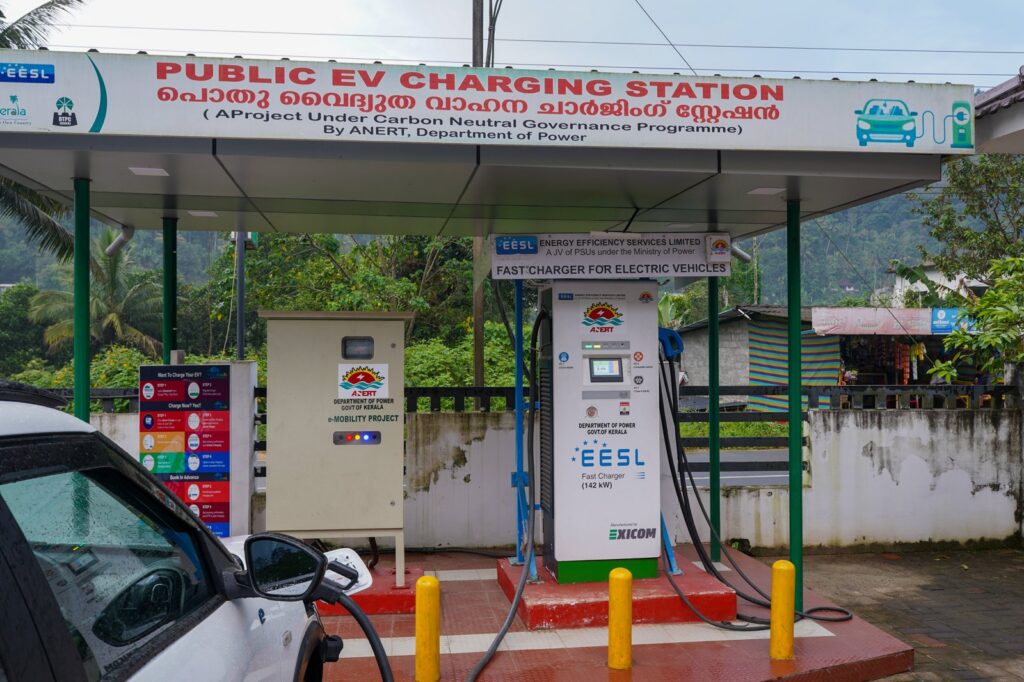
Photo:
This Photo was taken by Timothy A. Gonsalves. Feel free to use my photos, bu (CC BY-SA 4.0)