
As the world shifts towards electric vehicles, plug-in hybrids are evolving to remain a vital alternative for many drivers. With global EV adoption on the rise, plug-in hybrids are adapting with longer ranges and new designs, making them a strategic bridge in the transition to electric.
Defining The Plug-In Hybrid
A plug-in hybrid electric vehicle, or PHEV, uses a battery that can be recharged via an external power source, in addition to its internal combustion engine. This dual-power system offers enhanced energy efficiency and lower operating costs compared to conventional hybrids. Think of it like having two power sources: one for short, daily trips, and another for longer journeys. In plain terms, PHEVs provide the flexibility of electric driving for daily commutes, while also having a gasoline engine for longer trips.
Market Trends
Toyota, for example, saw a nearly 200 percent increase in PHEV sales volume in July 2026 after expanding availability nationwide. This surge in demand is not limited to Toyota, as other brands like Buick are also introducing new plug-in hybrid models, such as the Electra GS in China. The practical upshot is that consumers have more options than ever before, making plug-in hybrids an attractive choice for those looking for a balance between electric and gasoline power.
The EREV Evolution
Extended-range electric vehicles, or EREVs, are a type of plug-in hybrid that uses a gas engine solely to generate electricity for the motors. This setup is ideal for large trucks and SUVs, which have the space to accommodate both powertrains. Stellantis plans to launch full-size extended-range SUVs and pickups starting in 2026, making them a significant player in the EREV market. The idea is similar to traditional plug-in hybrids, but with a smaller gas tank to encourage more frequent charging.
Policy Challenges
However, there are policy challenges to address, particularly when it comes to emissions. According to Transport & Environment, some European PHEVs emit nearly six times their official CO₂ figures. To encourage more frequent charging, advocates suggest capping gas tanks at 15 liters. This would help bridge the gap between official emissions figures and real-world emissions, making plug-in hybrids a more environmentally friendly option.
Future Outlook
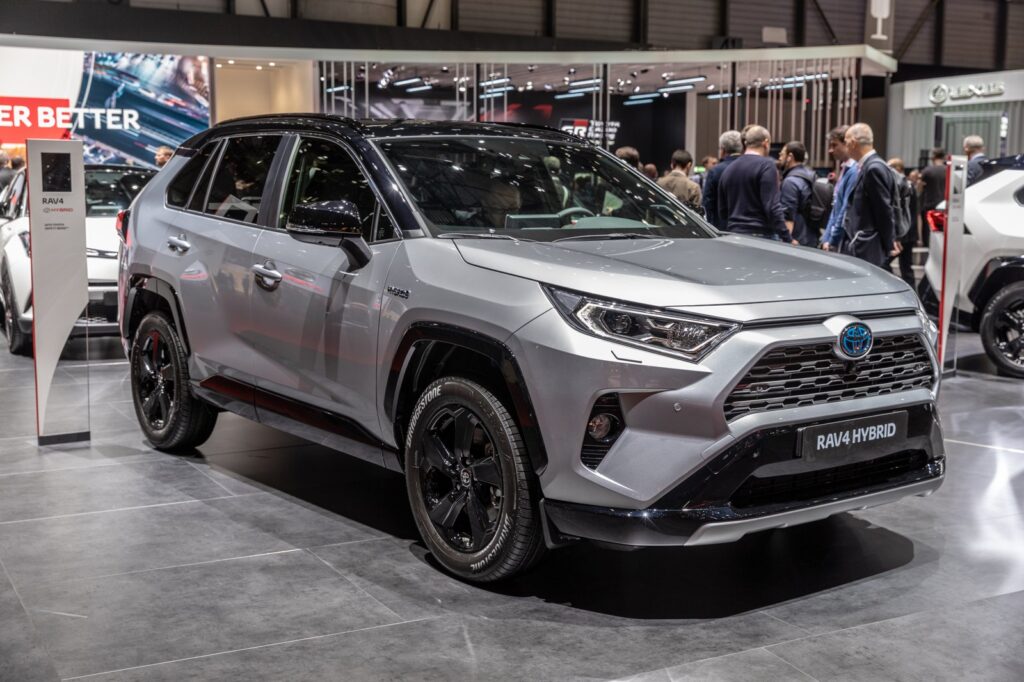
Looking ahead, the future of plug-in hybrids is promising. Modern PHEVs like the RAV4 or Mitsubishi Outlander can offer nearly 50 miles of electric-only range, making them an attractive choice for daily commutes. As the world continues to shift towards electric vehicles, plug-in hybrids will remain a vital, practical alternative for many drivers. With their ability to balance electric range with gasoline convenience, plug-in hybrids are here to stay, and their evolution will be crucial in the global shift to electric. According to Davide Mele, Chief Product Planning at Stellantis, their range-extended EV will “cover up to 90% of daily driving in EV mode and add vehicle-to-grid capability, bringing real customer value.”
Sources
- Plug-in hybrid
- Buick Doesn’t Sell Sedans in the U.S., But China Will Get the Sleek New Electra GS Plug-In Hybrid
- The Fix For Plug-In Hybrids That Don't Get Plugged In? Smaller Gas Tanks, New Report Argues
- Toyota's Plug-In Hybrid Sales Are Exploding
- 16 Range-Extender (EREV) vehicles expected in the U.S. (2026-2029)
- Cars That Come with Free Gas: The Best Plug-in Hybrids Pay Some—or Much Of—the Gas Bill For You
Photo: Matti Blume (CC BY-SA 4.0)




