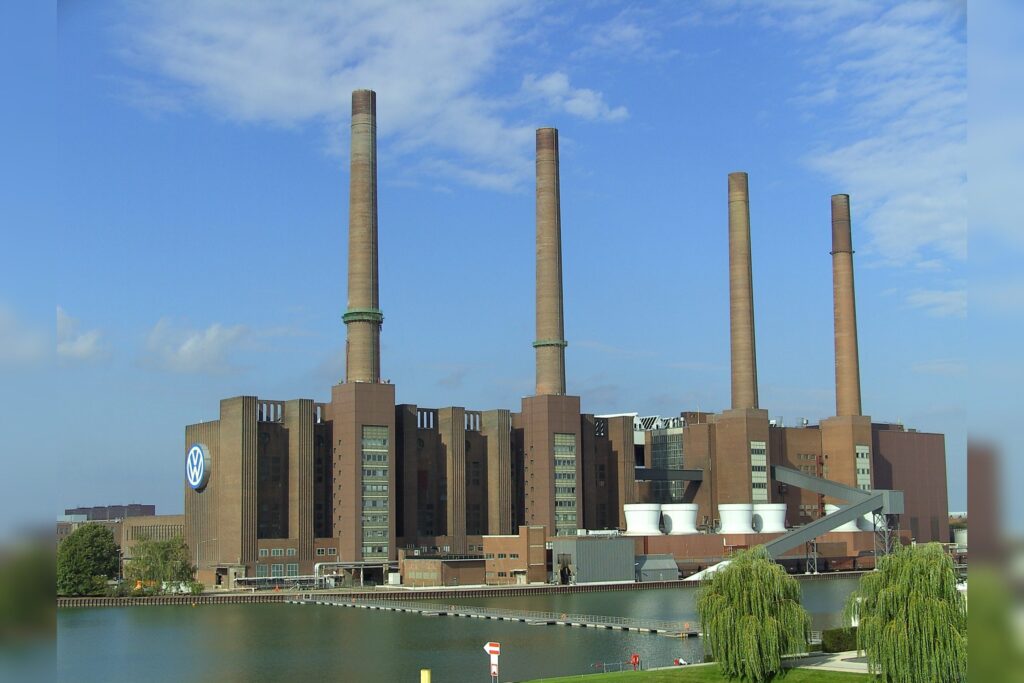
Volkswagen Group said late on Thursday that it plans to eliminate 50,000 jobs and cut half of its vehicle offerings. The reasons are a mix of rising Chinese competition in Europe and the cost of tariffs on cars shipped to the American market.
The company did not say which jobs would go or which factories might close. It did say its German plants have spare capacity of about 500,000 vehicles a year.
Buyers will notice the change. Volkswagen intends to cut the “complexity” of the cars it builds by 75%, which means fewer models and far fewer ways to specify the one you want. In its statement the group said the prioritized models “aim to excel in design and technology” and would bring “higher volumes per model, lower costs, stronger economies of scale.”
Tariffs and electric cars
The US bill is large. Investor calls put the cost of tariffs at roughly $4.7 billion to $5.8 billion this year. Volkswagen builds 200,000 cars at American plants but imports about 240,000 a year from Europe, which carry a 15% tariff, and 287,000 from Mexico at 27.5%.
Electric vehicles have not helped. Like other carmakers, VW had planned a big shift to EVs, but the Trump administration pulled back support for them, and the company stopped producing the ID.4 for the US market in April. In Europe, Chinese automakers are selling a growing number of electric models, which complicates its plans there too.
Years of cuts at home
None of this is new to Volkswagen’s workforce. The company has been trimming staff and sparring with its powerful German unions for years. Its German headcount fell from 275,000 in 2023 to 254,000 on June 30, 2026, according to its latest financial report. The group sells Audi, Porsche and Lamborghini as well as the Volkswagen brand.
Olaf Lies, minister-president of Lower Saxony, the second-largest shareholder in Volkswagen AG, called the challenges “enormous” given international competition. “We need a competitive framework and a trade policy that strengthens our industrial base,” he said.