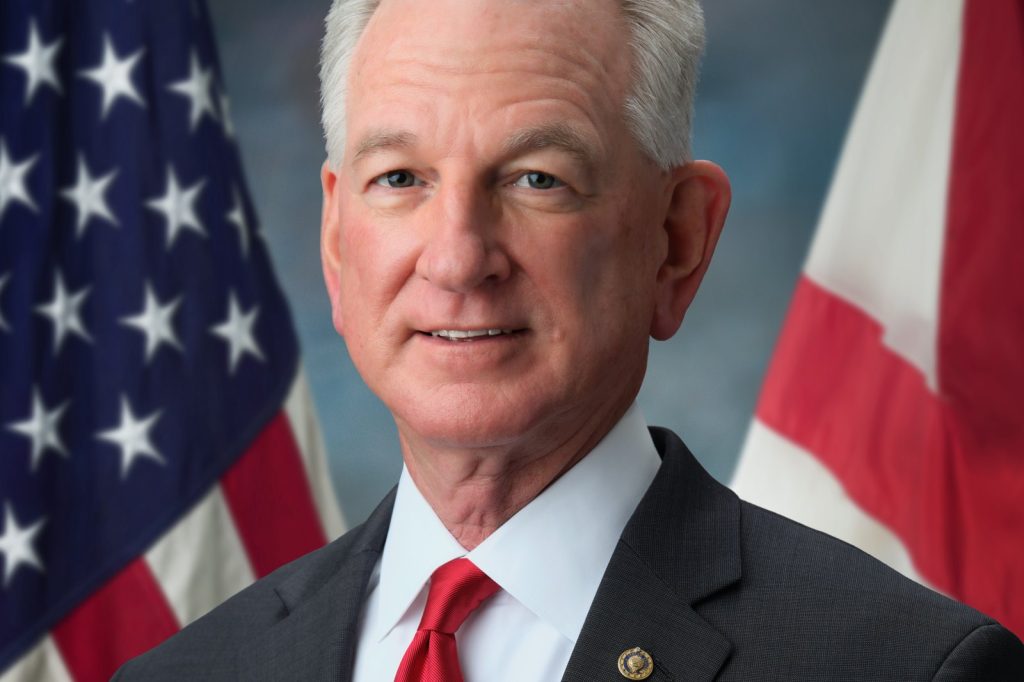
“It pulls the federal government deep into the day-to-day operation of college sports. This is not the direction we should be heading.” Sen. Tommy Tuberville, the former Auburn football coach, said that on the Senate floor the day before the Protect College Sports Act cleared the Senate Commerce Committee in June.
The vote was 19-9. Thirteen Republicans and six Democrats backed the bill, while two Republicans and seven Democrats voted no. It now heads to the full Senate, where it needs 60 votes. Whether it gets there is unclear, and the House is a second problem.
What the bill does
The bipartisan measure would set a national framework for athlete compensation, limit transfers and bar coaches from changing jobs mid-season. It would give the NCAA limited antitrust protection. It also aims to protect women’s and Olympic sports and to guarantee scholarship and healthcare opportunities for athletes. The four biggest conferences, the SEC, Big Ten, ACC and Big 12, would be barred from merging into a super conference; the ACC and Big 12 were added to that restriction during revisions.
Sponsors Ted Cruz and Maria Cantwell describe it as the product of months of compromise. “Athletes get real NIL certainty, medical protections, academic and scholarship protections,” Cruz said at the committee hearing. Cantwell called it “a landmark in the protections that it gives student athletes.” Commerce Democrats said 24 athletic conferences and 267 colleges and universities across 49 states and Washington, D.C., have publicly backed it.
The opposition
The SEC and Big Ten did not. After the vote they reaffirmed their opposition in a joint statement: “We continue to believe revisions are needed to secure our support for the bill.” Both argue it does too little to preempt state NIL laws and hands Washington too much authority.
Tuberville pushes his own Student-Athlete Act instead, which deals only with eligibility and the transfer portal. It would allow one penalty-free transfer, with later transfers costing a year on the bench, and cap eligibility at five consecutive years regardless of injury. “Congress should not decide how much money student athletes can earn,” he said.
Cantwell argued his bill ignores bigger questions of athletes’ rights and revenue, and leaves no exceptions. “If a student-athlete gets pregnant and needs to take time off, should they lose their eligibility for that?” she asked. Tuberville replied that exceptions would create a “madhouse.”
The House has its own version, the SCORE Act, which passed a committee last year but never got a floor vote. The Congressional Black Caucus recently came out against it, damaging its chances.
Sources
- Senate panel advances college sports bill that SEC, Tuberville opposes
- Alabama Sen. Tuberville's Bill To Protect Women’s Sports Could Stall In Senate