
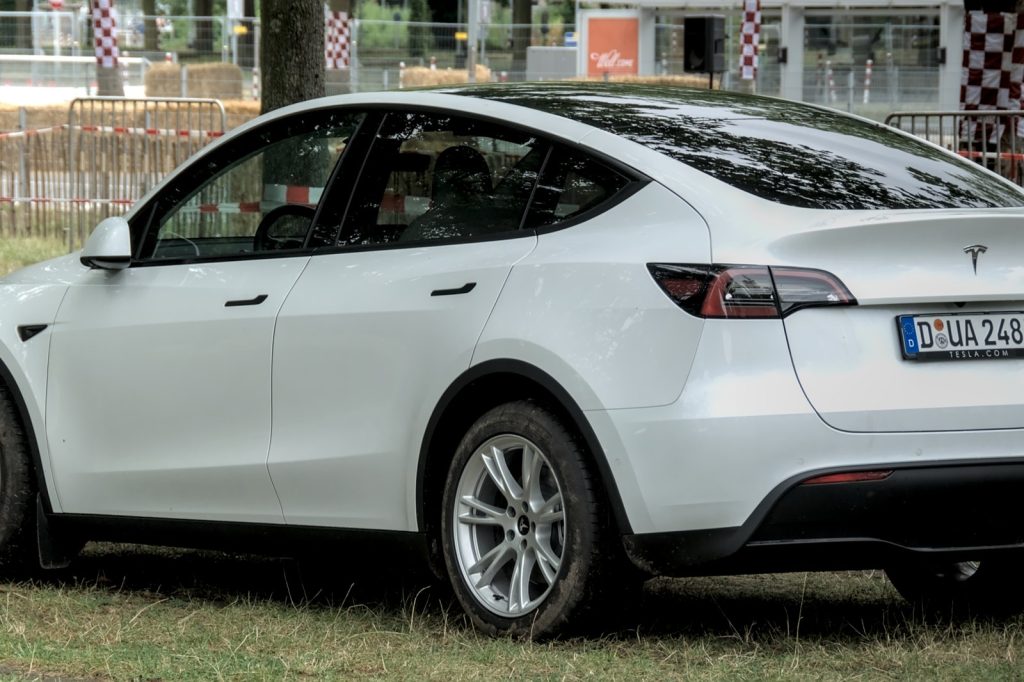
On 5 March, Malaysia’s Ministry of International Trade and Industry gave the green light to Tesla’s request to bring battery‑electric vehicles into the country. The approval sparked an immediate rally in locally listed companies linked to the electric‑vehicle (EV) supply chain.
In early Thursday trade, KESM Industries Bhd climbed 26 sen to RM8.40, while Pentamaster Corporation Bhd added 4.0 sen. Genetec Technology Bhd rose 2.0 sen, Hong Seng Consolidated Bhd edged up half a sen to 13.5 sen, and Greatech Technology Berhad held steady at RM5.10. Minister Tengku Datuk Seri Zafrul Aziz framed the decision as part of a broader push to position Malaysia as a premier destination for electric‑transportation investment. The country aims to build on its already‑established electrical and electronics ecosystem, using it as a foundation for a home‑grown EV industry. Regional neighbours have already taken decisive steps.
Indonesia secured commitments from Hyundai and LG for battery production, while Thailand hosts assembly plants for Toyota and Honda and is actively expanding EV incentives. Malaysia’s strengths lie in its electronics supply chain and engineering talent, but it has lacked a globally recognised brand to signal openness to EV business.
Tesla now fills that role. Tesla’s rollout plan is concrete. The company will open a head office in Malaysia, launch “experience centres” where customers can view and interact with vehicles, establish service facilities, and deploy a network of Supercharger stations.
The Superchargers are viewed as crucial for alleviating range‑anxiety, a major barrier for prospective EV buyers in a market where public charging infrastructure remains limited. The ministry’s statement described the surge in share buying as a “positive indication” of market response to government initiatives, implying that investors are already signalling confidence in the emerging ecosystem.
While the approval opens doors for foreign manufacturers, it also introduces new competitive pressures for domestic automakers and component suppliers. Companies such as Pentamaster and Genetec, which operate in semiconductor and automation sectors, could see increased demand as Tesla’s supply chain expands. Likewise, KESM, a producer of chip‑testing equipment, may benefit from heightened activity.
Nevertheless, the outlook is mixed. The global EV market faces cooling in some regions, and price competition is tightening margins, with Tesla having repeatedly trimmed its pricing.
Malaysia’s market size is modest compared to China or Europe, yet the presence of a major player like Tesla could reshape the local landscape. Minister Zafrul has positioned the approval as a strategic gamble, betting that the long‑term advantages of attracting a marquee EV brand will outweigh short‑term challenges. The next steps involve constructing the experience centres, installing Superchargers, and convincing consumers to adopt electric mobility.
The stock market’s upbeat reaction on the first day provides an early vote of confidence, but the true test will unfold over the coming months as infrastructure materialises and sales figures emerge.




