
Large‑scale aluminium die‑casting has entered a new era thanks to the Giga Press program, a family of high‑pressure machines originally built by Italy’s Idra Group. Recognized in 2020 as the world’s biggest die‑casting presses, each unit delivers a clamping force between 55,000 and 61,000 kN and carries a mass of roughly 410‑430 tonnes.
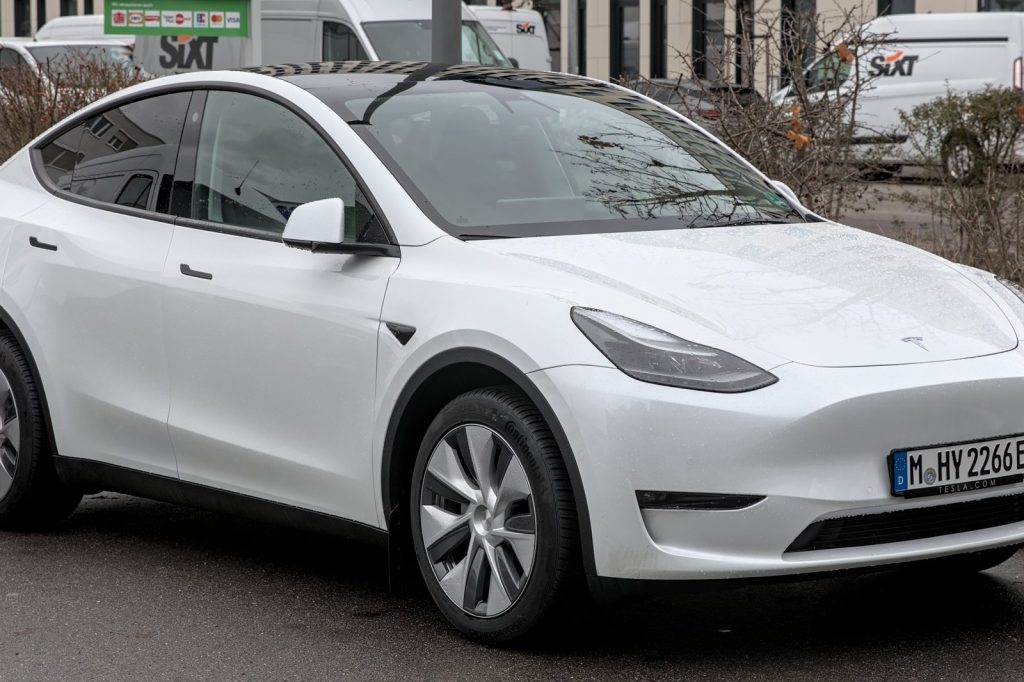
The machines first appeared in Idra’s product catalogue in 2018, but it was not until the close of 2020 that Tesla began employing a custom‑specification OL 6100 CS Giga Press for the mass production of Model Y chassis components. The partnership with Tesla marked a pivotal moment for the automotive sector, showcasing how the massive presses can be integrated into vehicle assembly lines. By injecting up to 80 kg of molten aluminium into a cold‑chamber mould at a speed of 10 m s⁻¹, the presses complete a casting cycle in about 80‑90 seconds.
This rapid injection yields an initial throughput of 40‑45 finished parts per hour, which translates to roughly 1,000 castings each day. Such productivity enables Tesla to streamline the creation of chassis parts, delivering higher precision while cutting cycle times.
The ability to produce large, lightweight aluminium components aligns with the company’s broader goal of reducing vehicle weight and, consequently, improving energy efficiency. By relying on a single casting operation for complex structural pieces, Tesla also reduces the number of separate manufacturing steps, which can lower waste and energy consumption. Beyond speed, the Giga Press’s capacity to handle substantial molten‑metal volumes supports the fabrication of robust, high‑quality parts. The presses’ formidable clamping force ensures that the aluminium solidifies under consistent pressure, minimizing defects and enhancing dimensional accuracy.
These technical attributes contribute directly to Tesla’s ambition to lessen its environmental footprint, as lighter vehicles require less energy to operate. The environmental implications are noteworthy.
Aluminium die‑casting produces lighter components than traditional steel stamping, which can improve vehicle range and reduce overall emissions. Moreover, the high‑volume, repeatable nature of the Giga Press process reduces material scrap and streamlines energy use, supporting cleaner manufacturing practices across the industry. As the automotive world increasingly embraces sustainability, the Giga Press technology is poised to become a cornerstone of future production strategies.
Idra’s machines, already the largest of their kind, demonstrate that scaling up die‑casting can meet growing demand without sacrificing quality or environmental responsibility. Looking ahead, the expansion of Giga Press adoption beyond Tesla could accelerate advances in manufacturing efficiency and eco‑friendly design.
As more manufacturers explore the benefits of high‑pressure aluminium casting, the industry may see a shift toward fewer, larger components that simplify assembly and reduce material usage. The evolution of the Giga Press program will be closely watched by analysts and environmental advocates alike. Its proven ability to deliver up to 1,000 high‑precision aluminium castings per day underscores a compelling case for larger‑scale, lower‑impact production methods.
In a market where clean‑earth initiatives are gaining momentum, technologies such as Idra’s Giga Press are likely to play a decisive role in shaping a more sustainable manufacturing landscape.




