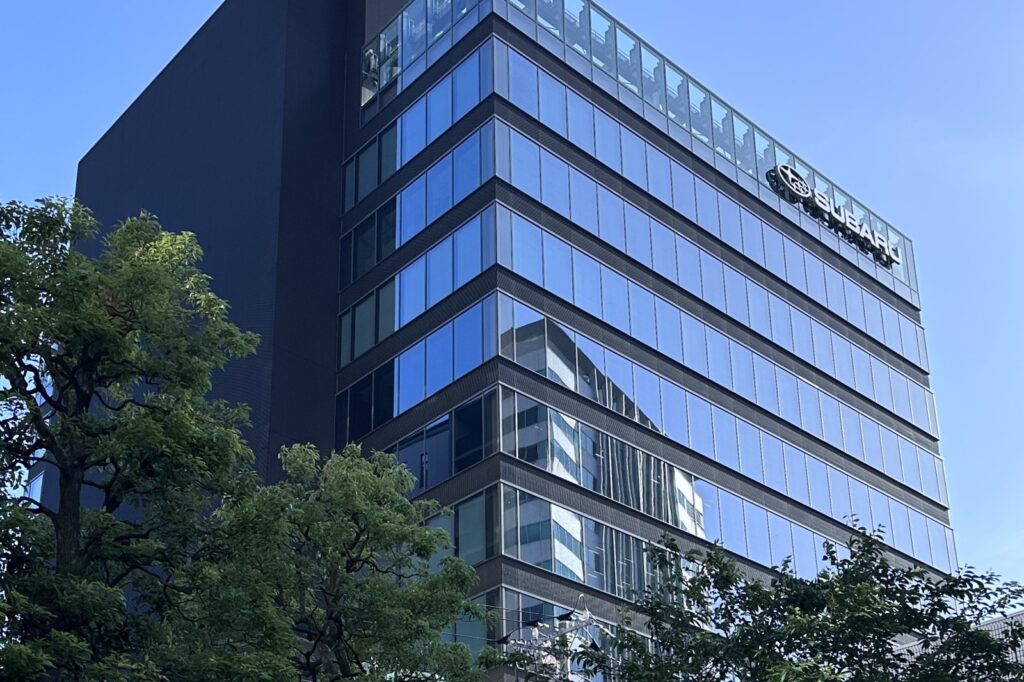
TOKYO, October 20, 2026 — Subaru has unveiled its first details regarding a dedicated in-house electric vehicle platform, signaling a decisive move away from reliance on Toyota partnership architectures. The Japanese automaker presented a test mule based on the Outback that features two electric motors and approximately 510 horsepower.
A Strategic Departure From Joint Development
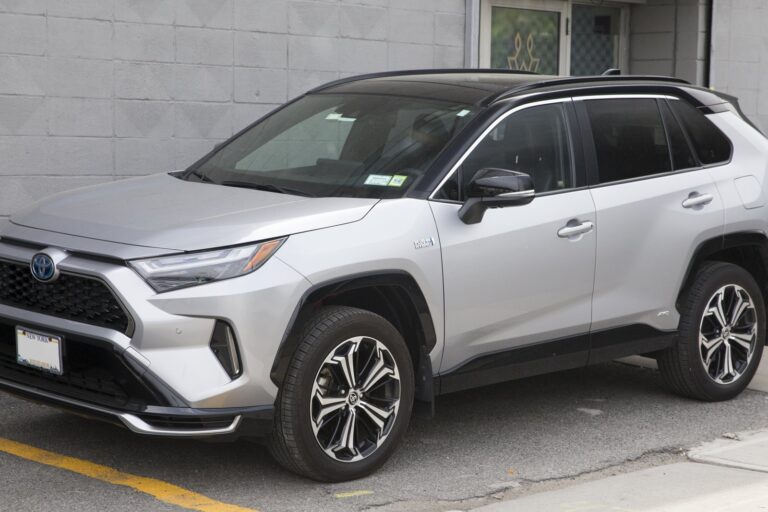
Subaru's current electric lineup, including models like the Solterra and Uncharted, was previously created in collaboration with Toyota, which handled the majority of powertrain development. While this alliance provided a fast entry into the EV market, it meant Subaru's vehicles inherited Toyota's design choices and supplier relationships rather than its own engineering identity. The company is now developing an entirely internal architecture that includes new batteries, electric motors, and an integrated electronic control unit. This shift allows Subaru to build a vertically integrated stack similar to efforts by Tesla and BYD, aiming for greater control over cost, software, and product differentiation.
Technical Specifications of the New Architecture
The prototype displayed at the test course north of Tokyo combines dual motors into an all-wheel-drive setup capable of a 0-62 mph sprint in under four seconds. The front motor is rated at 201 horsepower while the rear motor produces 308 horsepower, totaling around 510 horsepower according to Automotive News. These e-motors were developed with Aisin, a supplier under the Toyota Group, though Subaru engineers state the new motors are 30 percent more efficient versus the industry average. The battery pack features 4000 cylindrical cells developed jointly with Panasonic Energy and is claimed to be 25 percent lighter than Subaru's previous battery.
Safety Enhancements and Weight Reduction
The entire new platform is said to be around 220 pounds lighter than existing ones, contributing to improved energy density that is 20 percent higher than the industry average. Safety improvements include a reworked front section designed to absorb crash energy better to shield passengers and the battery. The front motor is also engineered to rotate in a crash to help soften the impact, while new support members over the front wheels channel impact forces away from the cabin.
Timeline for Market Rollout
Takatomo Watamori, Subaru's executive officer of engineering, cited the need for brand independence and driving pleasure as the impetus for this strategic shift. He noted that developing vehicles in-house allows the company to deliver peace of mind and driving pleasure that define the brand, even during this era of change. While specific production dates were not confirmed by executives, some of the technologies will reach customers starting in 2029 according to reports from Automotive News. This rollout schedule applies to both the new electric architectures and more efficient combustion engines for future gas and hybrid models.
Software Capabilities and Future Powertrains
The new dedicated architecture includes the capability for over-the-air updates, a feature explicitly mentioned as part of the integrated electronic control unit. This software integration allows Subaru to maintain its engineering identity without relying on external partners for future upgrades. While the primary focus remains on electrification, the automaker confirmed it is simultaneously working on more efficient combustion engines for future gas and hybrid models. This parallel development ensures that Subaru’s core internal combustion expertise continues to evolve alongside its new electric technologies.
Additionally, reports indicate that Subaru is developing a next-generation Eyesight driver-assistance system that utilizes artificial intelligence. This advancement aligns with the broader industry trend where automakers build second-generation platforms themselves to control software and differentiation. By integrating AI directly into its proprietary platform, Subaru aims to ensure that its autonomous driving features are uniquely tailored to its specific safety philosophies rather than inheriting generic solutions from a joint venture partner.
Sources
- Subaru Is Developing Its Own EV Platform Due Out Around 2029, and Just Revealed the First Details
- Subaru EV Platform: 510-HP Prototype Targets 2029
- Subaru Is Developing Its Own EVs, and It Starts With a 510-HP AWD Station Wagon Prototype
Photo: Akonnchiroll (CC BY-SA 4.0)