
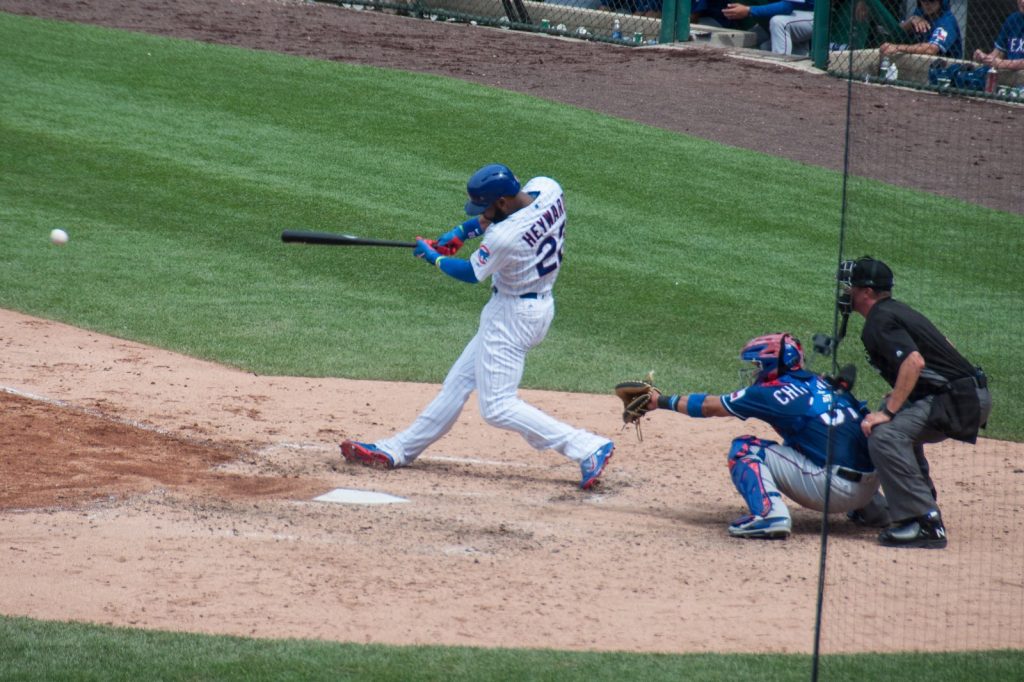
Joshua Kuroda-Grauer hit the first home run of his major league career on July 20, 2026. A few innings later he fouled a ball into his own groin, dropped to his knees, got up, and singled on the next pitch. Then he stayed in the game for another half-inning of defense.
The Athletics rookie had a ruptured testicle.
The club first described the problem as a testicular contusion, which is bruising. On July 21 it told reporters that an ultrasound had shown something worse, and that the 23-year-old infielder had already had surgery. Yahoo Sports reported that he was placed on the 10-day injured list after the 5-2 win over the Arizona Diamondbacks, and that the team gave no timeline for his return. Yahoo said the ball came off the handle of his bat and ricocheted into him. It was his 16th major league game.
Manager Mark Kotsay visited him in hospital and found him in “great spirits” and joking about it. Kotsay, quoted by MLB.com, said he thought Kuroda-Grauer “might be the only player in history” to rupture a testicle, stay in, get a hit and play another half-inning of defense.
What a urologist makes of it
Time asked Dr. Ashley Winter, a Los Angeles urologist who has operated on this injury but did not treat the player, to explain it. Her first reaction: “I can’t believe he continued to play after that.”
A rupture means the tough outer lining of the testicle, the tunica albuginea, tears open after a very forceful blow, and the delicate tissue inside bulges out. Winter likened it to a balloon, though one with a very thick wall. It is rare, she said, and she has seen it more often after high-speed motorcycle crashes and crush injuries than on a ball field.
Speed matters. Blood collects inside the testicle and in the scrotum, which stretches enough to hold plenty of it, and the pressure can damage tissue that was still healthy. Wait too long and the whole testicle may have to come out. Studies suggest roughly 90% of ruptured testicles can be saved when repaired within about 72 hours, against about 45% after that window.
The operation itself is quick. Surgeons open the scrotum, remove dead tissue, stop the bleeding, stitch the lining and check with ultrasound that blood is still flowing. Winter called it “a cleanup job” and noted that it does not undo the trauma. She would want a patient to wait “a minimum of two weeks” before anything that could put him at risk, though there are no formal guidelines for elite athletes because isolated cases are so uncommon.
Long-term, the injured testicle may end up smaller and may make less testosterone or sperm. Most men will not notice, she said, because a healthy second testicle usually compensates.
The cup question
Time could not establish whether Kuroda-Grauer was wearing a protective cup. Winter was blunt about the general advice: a neurosurgeon would say wear a helmet, and “as a urologist, obviously, I would tell people to wear a cup.” She said she would like to know the real rate of cup use in baseball, and whether it rises after this.
Her rule for anyone who takes a hard hit there is simple. If the pain is severe or the swelling dramatic, do not tough it out. Go to the emergency room, and talk to your doctor about protective gear before the next game.
Sources
- What Is a Ruptured Testicle? Joshua Kuroda-Grauer's Painful Injury, Explained
- A's place rookie Joshua Kuroda-Grauer on injured list due to ruptured testicle – Yahoo Sports




