
Li Tie was born on May 18, 1977. According to Chinese Wikipedia and local-language media reports, he is a former China national team player who operated as a midfielder.
His football journey began at the age of eight when he entered the Zhangying Football School. After that he moved to the Jianlibao youth team and subsequently spent five years playing in Brazil. In 1997 he earned a call‑up to the senior Chinese national squad and featured in World Cup qualifying matches.
He also represented China at Olympic level. During his playing days Li Tie collected a number of domestic trophies, including the Chinese FA Cup and the Chinese Super League title, and he was honoured with the Chinese Footballer of the Year award.
His club career included a spell with English side Everton, marking him as one of the few Chinese players to have competed in the English top flight.
Transition to Coaching and Legal Proceedings
Li Tie moved into coaching in 2012, taking an assistant role at Guangzhou Evergrande. Over the following years he served as head coach for several Chinese clubs, most notably Hebei China Fortune and Wuhan Zall. In 2019 he was appointed head coach of the China national team, a position that placed him at the forefront of the country’s football ambitions.
His tenure as national team coach ended abruptly when authorities launched a corruption investigation in 2022. He was accused of accepting bribes and other illicit benefits.
Formal charges were brought against him in August 2023. The case proceeded through the judicial system and on December 13, 2024 a court in Hubei province sentenced Li Tie to twenty years of imprisonment. The verdict was reported widely in Chinese media and portrayed as a significant step in the government’s broader campaign to eradicate corruption from the sport.
Implications for Chinese Football
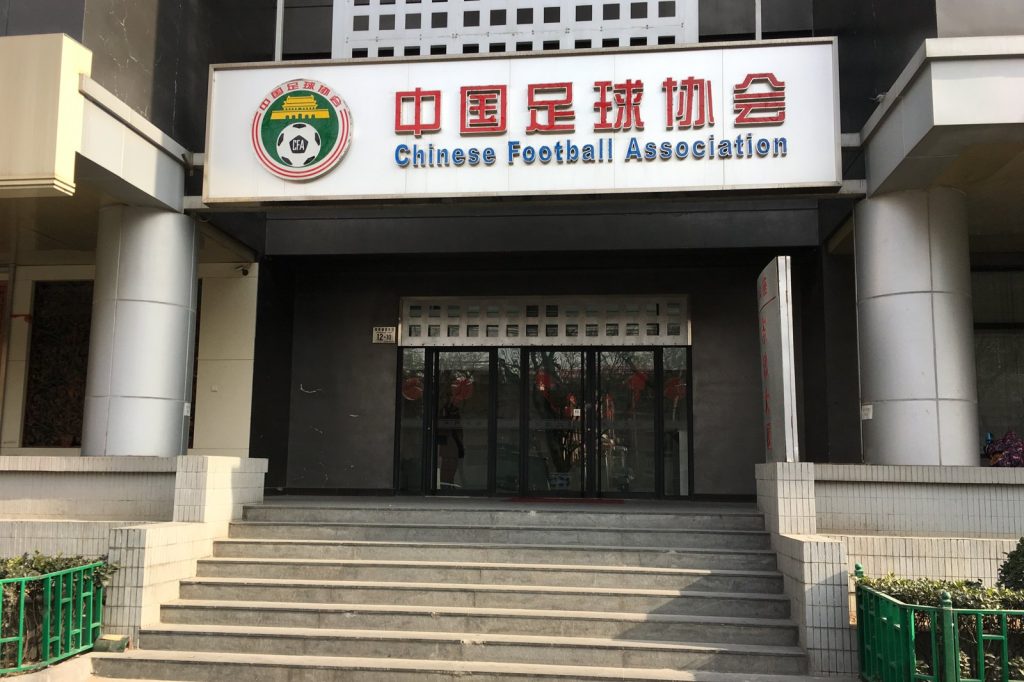
The prosecution of Li Tie is viewed by observers as a stark illustration of the deep‑seated problems that have plagued Chinese football for years. As a former national team coach, his conviction has caused considerable embarrassment within the football community and has intensified calls for structural reform. The case is part of a series of high‑profile actions taken by Chinese authorities against football officials implicated in graft.
It raises questions about the integrity of domestic leagues, the effectiveness of governance, and the feasibility of restoring public trust. English‑speaking fans interested in the intersection of sport and corruption are advised to monitor how the Chinese football league and governmental bodies respond to the fallout, and whether the sanctions imposed on Li Tie and other officials will lead to lasting improvements in transparency and accountability.




