
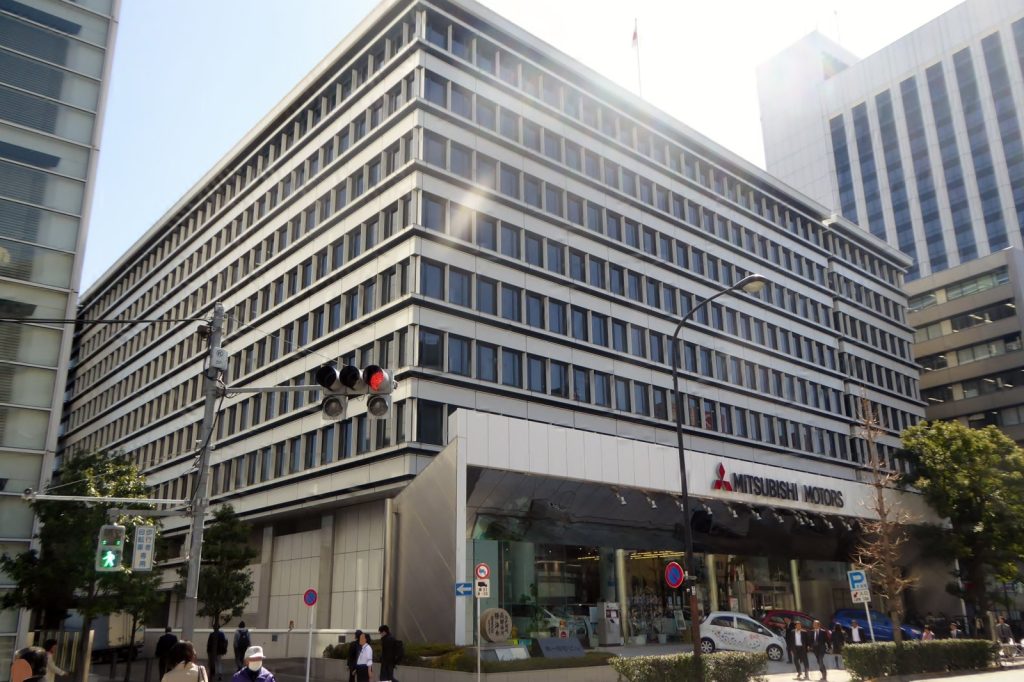
German prosecutors suspect that thousands of diesel cars sold under the Mitsubishi badge since 2012 may have been running software designed to cheat emissions tests. If confirmed, the fallout could reach far beyond the Japanese automaker and its French engine supplier, PSA Group. The probe, opened January 31 by the Frankfurt Public Prosecutor’s Office, targets Euro 5 and Euro 6 vehicles equipped with 1.6- and 2.2-liter diesel engines.
The engines came from PSA. Investigators seized documents and electronic data from Mitsubishi’s German importer and from PSA offices in Rüsselsheim.
At the heart of the case is a familiar pattern from the 2015 Volkswagen diesel scandal. Software routines allegedly detect when a car is on a laboratory test stand — reading steering angle, speed patterns, and acceleration — and then activate full emissions controls. On the road, those controls are reduced or switched off.
Nitrogen oxide output is believed to jump far beyond the legal Euro 6 limit of 80 mg per kilometer. The consequences for Mitsubishi in Europe could be serious.
The company has already been struggling with declining sales in the region. A criminal fraud conviction or a finding that its vehicles violate Germany’s Federal Emission Control Act could trigger recalls, fines, and compensation claims from owners. No arrests have been made, but charges could include fraud.
Mitsubishi immediately rejected the allegation. Its European legal team issued a two-page rebuttal hours after the raid. The company said it “has found no reason” to believe its engines contain cheat software.
It insisted the engines, supplied by PSA, meet every national homologation rule. That defense shifts blame squarely to PSA.
The French group, which merged with Fiat Chrysler to form Stellantis in January 2021, now faces its own exposure. Its offices were raided alongside Mitsubishi’s. PSA has not yet issued a detailed public response to the specific allegations.
The company has previously denied using defeat devices in its diesel engines. Regulators across Europe are watching.
The Frankfurt prosecutor’s office confirmed the investigation spans vehicles sold in Germany since 2012. But if the software routines are found in PSA-supplied engines used in other brands — Peugeot, Citroën, Opel, and Vauxhall all used similar diesel powertrains — the probe could widen. German authorities have already flagged irregularities in PSA-supplied engines, according to people familiar with the dawn raids.
The timing is awkward for Stellantis. The newly merged group is trying to project a clean, electric future. A diesel-cheating scandal would drag it back into the regulatory mire that has cost Volkswagen more than €30 billion in fines, settlements, and buybacks.
For car owners, the immediate effect is uncertainty. Anyone who bought a Mitsubishi diesel in Germany since 2012 now faces the possibility that their vehicle pollutes more than advertised.
Resale values could drop. Some may face recall notices and software updates that could affect performance or fuel economy. Prosecutors are still analyzing the seized data.
A spokesperson for the Frankfurt Public Prosecutor’s Office, Julia-Schneider Heine, told reporters Monday that investigators have “reasonable cause” to assume the engines were programmed to recognize test cycles. Outside that pattern, she said, the after-treatment is reduced or switched off entirely.
The next step is to determine who inside Mitsubishi and PSA knew about the software and when. That will determine whether individuals face charges. The investigation is ongoing.




