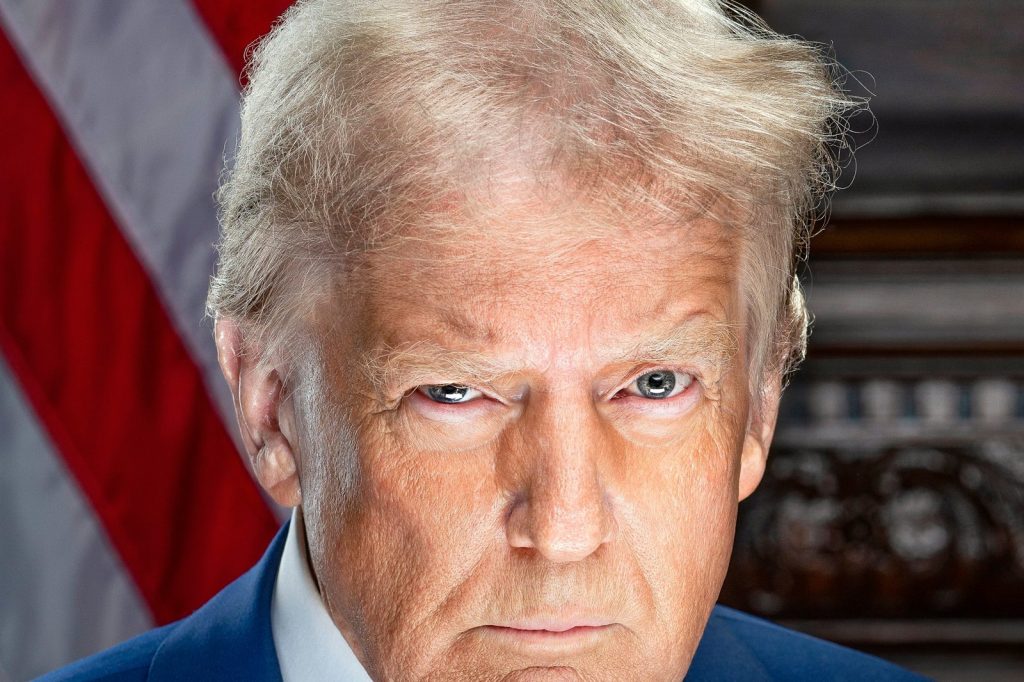
“The terms that Iran leaked out to the Fake News have nothing to do with the terms that were agreed to, in writing.” President Donald Trump posted that on Truth Social on Friday, and he did not stop there. “Very dishonorable people to deal with,” he wrote. “With them, there is no such thing as dealing in good faith.”
He also called Iran’s drone attack on ships in the Strait of Hormuz on Thursday night “totally unacceptable” and told Iranian leaders to “get their act together.”
What each side says is in the deal
Trump had announced on Thursday night that he was cancelling scheduled strikes on Iran because a deal had been agreed. He described the agreement, a memorandum of understanding, as approved “both in concept and great detail” by all parties, among them Israel, Saudi Arabia, the United Arab Emirates and Qatar. No signing date was given. Trump said it could happen over the weekend in Europe, with Vice President JD Vance attending.
A senior administration official told Reuters the emerging deal would dismantle Iran’s nuclear program, destroy and remove all nuclear materials, and stop Iran from funding proxy groups in the region. The official called it “performance-based”: none of Tehran’s frozen assets would be released until Iran does its part.
Iran’s version, as carried by the state-run outlet Mehr, reads differently. Mehr said a full ceasefire would include an end to fighting in Lebanon and an initial unfreezing of 12 billion dollars. It put the total frozen funds at 24 billion dollars, with half released before further talks could start. It also said the US would lift sanctions on Iranian oil and petrochemical products, stay out of Iran’s internal affairs and pull its forces back from areas near the country.
On nuclear questions, Mehr said the text only sets a 60-day negotiating window for a final agreement. Iran’s ballistic missiles and its support for groups such as Hezbollah, it said, are not on the table. The agency added that a draft was still waiting for Iranian approval and that the final deal would go to the UN Security Council.
Bloomberg reported separately, citing senior officials, that the two countries were edging toward an agreement to reopen the Strait of Hormuz, with Group of Seven leaders due to meet the following week.