
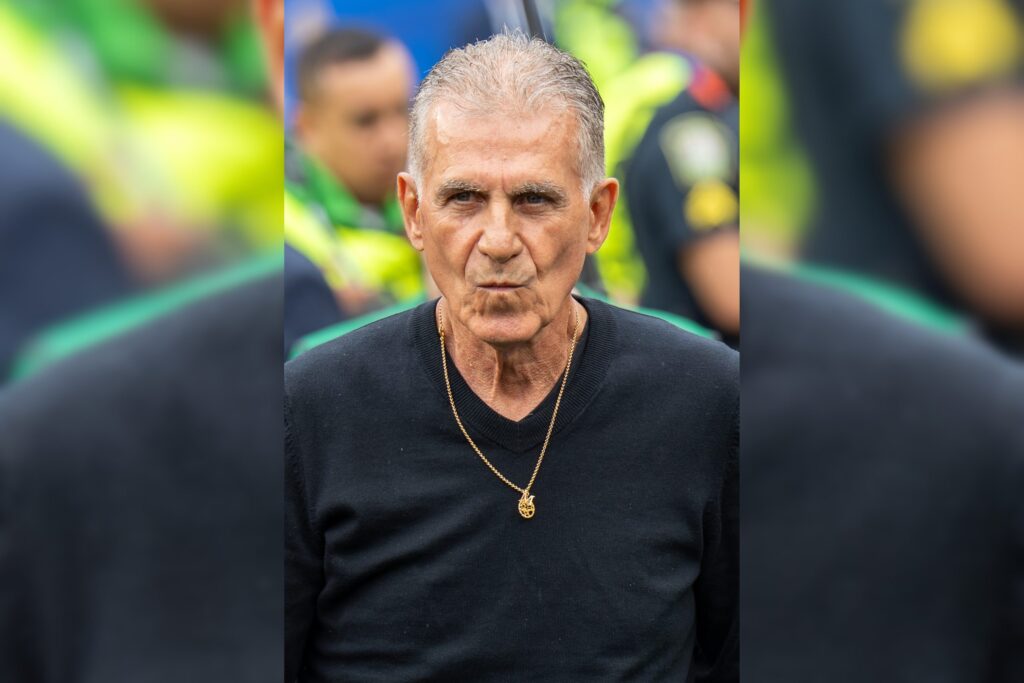
Carlos Queiroz has spent decades inside football’s highest corridors. He coached Real Madrid. He managed Portugal and Iran.
He knows the machinery. So when he calls the World Cup expansion to 48 teams “Moneyball,” it carries weight.
The Ghana manager spoke after his team lost 2-1 to Croatia on Saturday. That defeat would have sent the Black Stars home in any previous tournament. Not now.
They advanced as one of the eight best third-placed teams — a route created by FIFA’s push for a bigger event. Queiroz did not mince words.
“Today, money talks,” he said. “In the game, money talks. This is called not football but Moneyball.
When money starts to talk, the decisions inside the pitch start to change.” The irony is unavoidable. Ghana is one of nine African teams to reach the knockout stage — a record. Ten African sides entered the tournament.
Nine survived. That never happened before.
The expansion made it possible. Queiroz acknowledged the achievement. He did not change his mind.
His core argument is simple. Rarity creates value.
“I do believe that what really has huge value, huge and significant value, is [that which] is rare,” he told reporters. “I’ve never seen in my life common things, ordinary things that come with huge value.” FIFA sold the 48-team format as global growth. More nations get a seat.
More broadcast revenue flows in. More fans see their flags in the tournament. Queiroz sees something else: a competition diluted by commerce.
He also raised player welfare. The extra games pile onto packed calendars.
Squads already run on fumes. The expansion adds strain. Queiroz, a coach who has worked at elite clubs and national teams, knows the physical toll.
He did not elaborate in detail. He did not need to.
The point landed. This is not a new debate. FIFA has expanded the World Cup before.
Twenty-four teams became 32 in 1998. Now 32 becomes 48. Each step brought more money and more complaints.
But Queiroz’s critique cuts deeper because he benefited from the change. His team is alive because of it.
He still calls it vulgar. That takes conviction. The Portuguese manager has never been shy.
He clashed with federations before. He walked out on Portugal after the 2010 World Cup.
He took Iran to two tournaments. He knows how the game’s business side works. He does not like what he sees now.
“Let’s see in the future what will happen,” he said. The words hang there. No prediction.
No solution. Just a warning from a man who has watched the sport shift from pitch to spreadsheet.
Ghana moves on. Nine African teams move on. The record books will note the achievement.
Queiroz will note the cost. Two things can be true at once.
He said both.
{“@context”: “https://schema.org”, “@type”: “NewsArticle”, “headline”: “Carlos Queiroz calls World Cup expansion “Moneyball” after Ghana advances”, “description”: “Carlos Queiroz has spent decades inside football’s highest corridors. He coached Real Madrid. He managed Portugal and Iran. He knows the machinery. So when he…”, “datePublished”: “2026-06-28T17:46:00+00:00T09:30:00+00:00”, “author”: {“@type”: “Person”, “name”: “Beatrice Bianchi”}, “publisher”: {“@type”: “Organization”, “name”: “InfoPulse Today”, “url”: “https://newsfeed.2bme.xyz/”}}




