The story begins in a Hong Kong supermarket aisle, with shoppers who trusted what they were buying. Greenpeace tested vegetables from the Parknshop and Wellcome chains between November 2005 and March 2006, and in April 2006 it reported what it found. More than 70 per cent of the 55 samples carried pesticide residues. In 17 of them, the levels went beyond international standards.
One Choi Sum sample from a Wellcome store held residues at 240 times the EU standard. Five samples contained banned chemicals: DDT, HCH and Lindane. A single tomato from Parknshop carried five different pesticides, one of them the illegal Lindane, said Chow Yuen Ping, Greenpeace’s food safety assistant campaigner.
Where the vegetables came from
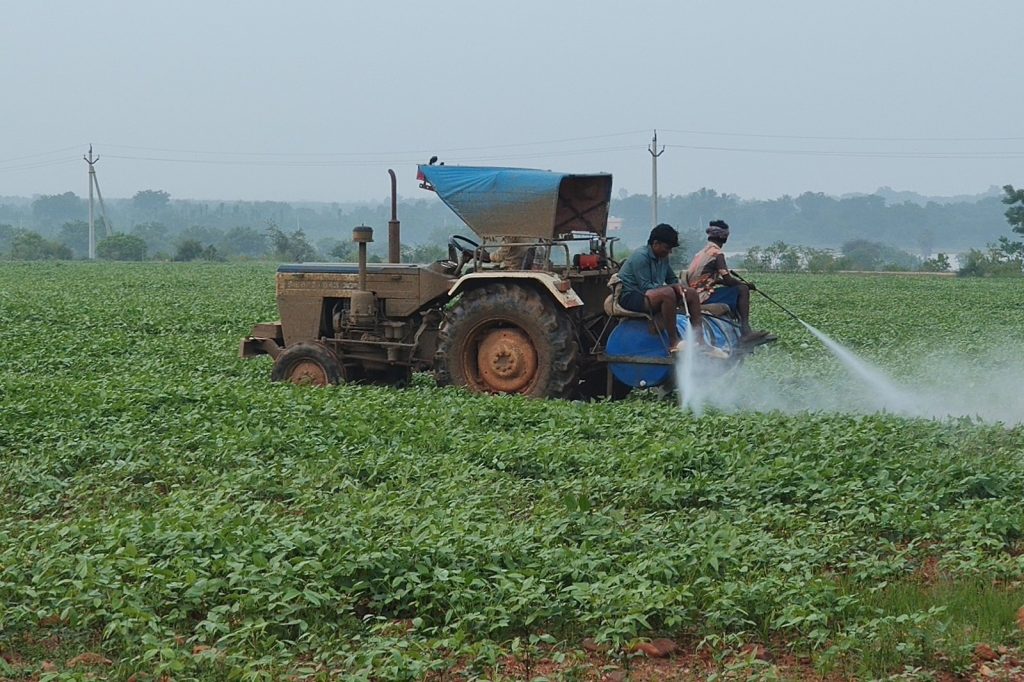
Almost 80 per cent of the vegetables sold in Hong Kong come from the mainland, particularly Guangdong province. For farmers there, the pressure is relentless. China has very little land per person, so growers are pushed to maximise yields, and a weak licensing system for pesticides, together with poor information for farmers, has contributed to numerous poisonings over the years.
John Chapple, who runs the Qingdao food laboratory Sinoanalytica, told AP-Foodtechnology.com the results were “nothing new”. He believed some farmers were using illegal chemicals without knowing it, and that the DDT could be seeping out of contaminated soil. Recommended gaps between spraying and harvest, he added, differ from region to region, which muddies the guidance.
Hong Kong moved fast. Wallace Lau, the territory’s principal of health, welfare and food bureau, said inspectors and customs officials would require every truck crossing the border to submit samples for pesticide testing. At the time, only 70 to 80 per cent of vehicles crossing at Man Kam To were tested. Greenpeace and Chapple both criticised the quick roadside method because it cannot detect every kind of pesticide. Wellcome, owned by a unit of Jardine Matheson, dropped one of its mainland suppliers after the report.
When the poison was added on purpose
Two years later, a far worse failure came out of the same food system. In September 2008 the World Health Organization said more than 54,000 infants and young children had sought treatment for kidney stones linked to melamine-contaminated dairy products in China. Three infant deaths had been confirmed by then, and more than 13,000 infants were in hospital. Kidney stones in babies, the WHO noted, are normally very rare.
The Guardian later reported that at least six children died and 300,000 were made ill. Farmers and middlemen had deliberately added melamine to milk so it would appear to pass protein tests. The company at the center, Sanlu, knew by May 2008 that its milk was making babies ill, but officials in Shijiazhuang city were not told until August.
In November 2009 China executed the farmer Zhang Yujun and the milk salesman Geng Jinping. Sanlu’s general manager, Tian Wenhua, received a life sentence. Some parents called the two executed men scapegoats. About 200 families said a government-organised compensation deal of 1.1bn yuan from 22 companies, spread across hundreds of thousands of victims, was not enough.
Sources
- Pesticide residues still high in Chinese vegetables (FoodNavigator, Dominique Patton)
- Melamine-contaminated powdered infant formula in China – update 2 (World Health Organization)
- China executes two for tainted milk scandal (The Guardian)