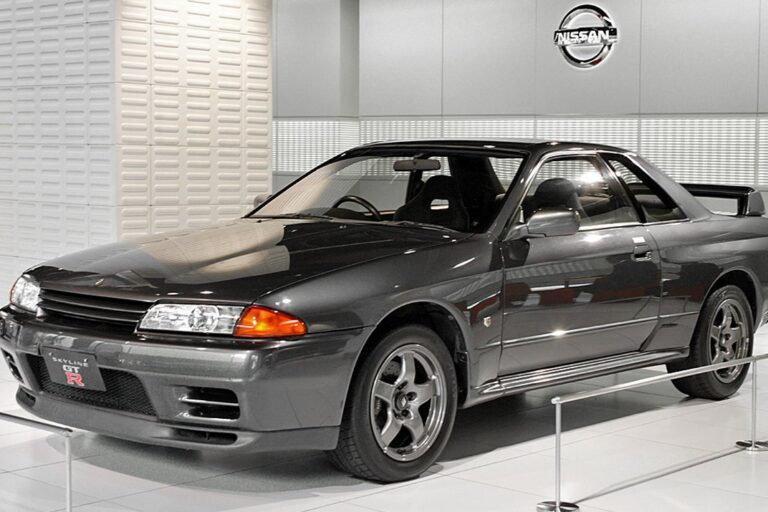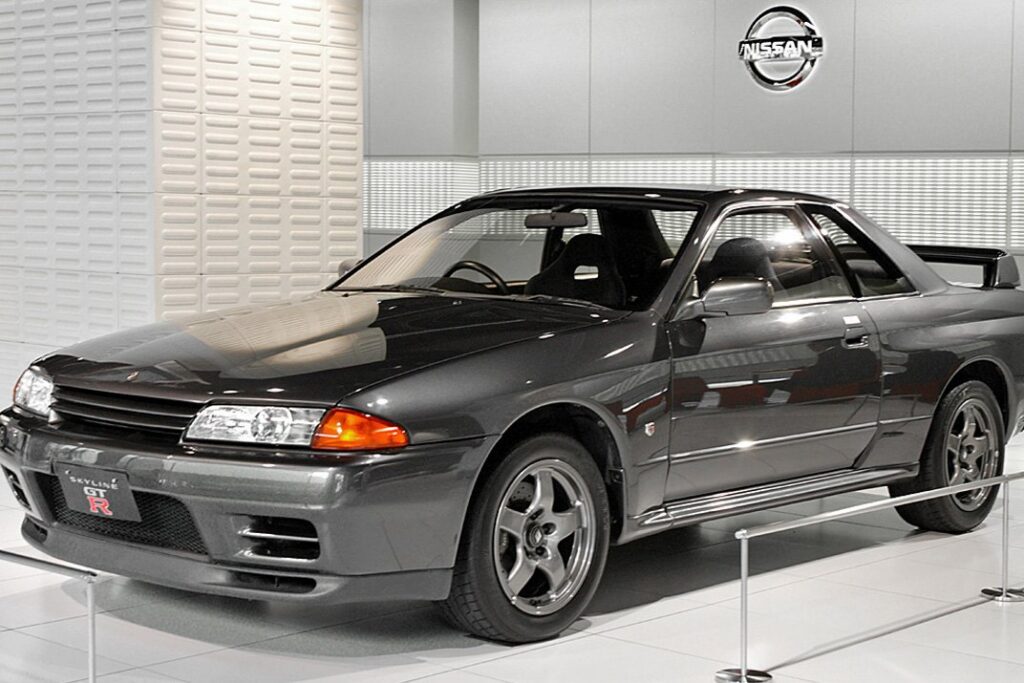
Nissan displayed an electric conversion of the R32 Skyline GT-R at the 2025 Tokyo Auto Salon, a factory-built project led by powertrain systems leader Ryozo Hiraku to preserve the model’s driving character using modern electric power. The conversion, which uses dual motors and a Leaf Nismo battery, is distinct from Nismo’s earlier R34 restoration program and signals how Nissan approaches heritage in its EV strategy.
Origin in the X-Trail Program
The project began inside Nissan’s engineering division while Hiraku’s team was developing the four-wheel-drive system for the X-Trail crossover. An R32 GT-R was kept nearby for reference, and younger team members who drove it reported that it delivered more excitement than the development vehicle, according to the company’s account. Hiraku said he saw merit in using electrical and digital technology to replicate the R32’s appeal so future generations could experience it.
Technical Specification and Packaging
The converted R32 uses two electric motors, each producing 215 horsepower and 250 pound-feet of torque, with one unit on each axle. A 62 kWh battery pack sourced from the Leaf Nismo supplies energy. Packaging the hardware required removing the rear seats because the R32’s original structure lacks a flat floor. The car also receives brakes from the current R35 GT-R and one-off 18-inch wheels. Outwardly, the vehicle retains standard R32 bodywork finished in Gun Grey metallic.
Factory Conversion Versus Third-Party Mods
Nissan emphasized that the build was performed internally, not by an outside modifier. The distinction matters because the automaker applied its own validation standards to the integration of the powertrain, chassis, and braking systems. The project sparked discussion among enthusiasts at the 2025 show, reflecting the sensitivity of electrifying a model widely regarded as a benchmark of 1990s Japanese performance engineering.
Separate Path from Nismo’s R34 Z-tune
The R32 EV conversion is unrelated to Nismo’s 20th-anniversary Z-tune program for the R34 GT-R. Nissan ended R34 production in 2002, and Nismo subsequently sourced used V-Spec models from the market to build a limited run of restored flagship cars. That program focused on returning combustion-engine R34s to as-new or better condition, while the R32 project explores how electric propulsion can carry forward the driving dynamics of an earlier generation.
Implications for Performance EV Strategy
Hiraku’s team treated the R32 EV as a development exercise in replicating the “heart” of a combustion sports car with electric hardware. The dual-motor layout mirrors the all-wheel-drive architecture of the original RB26DETT-powered car, and the use of R35 brakes indicates a performance target aligned with the current GT-R. The project demonstrates Nissan’s willingness to use its heritage models as testbeds for EV dynamics rather than treating them solely as museum pieces.
Sources
- There Was a Time Nissan Brought Back the R32 GT-R Skyline, Except With Electric Power
- Nismo Officially Built Its Ultimate Skyline By Buying Back Secondhand R34s
- This Japanese Driving School's Nissan Skyline Sedan Is GT-R Cool Without the Badge (or Price)
- Paul Walker's Living-Room Skyline Goes on Show With 23 Other Fast & Furious Vehicles
- Uncle Sam Charges A Higher Tariff Rate On A Practical Mazda CX-5 Than A Twin-Turbo R34 Skyline GT-R
- There Was a Time Nissan Brought Back the R32 GT-R Skyline, Except With Electric Power – AOL
Photo: Tennen-Gas (CC BY-SA 3.0)