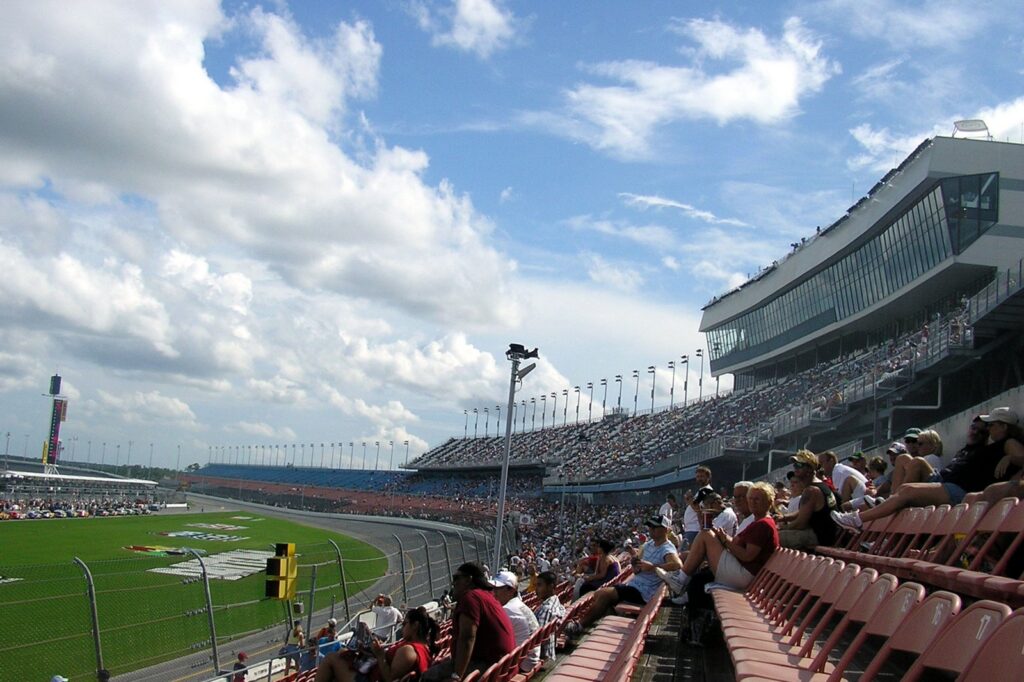
DAYTONA BEACH, November 13, 2026 — The rapid extraction of Frankie Muniz from his damaged Mustang during a practice crash at Daytona International Speedway has brought the speedway’s specific and rigorous safety protocols into sharp focus.
Superspeedway Safety and Extraction Logistics
The incident on November 11, 2026, required rescue crews to cut off the roof of Muniz’s Ford Mustang Dark Horse to remove him from the vehicle. This method, known as a “roof peel” or “roof removal,” is a standard extraction procedure at high-speed tracks like Daytona when a driver is rendered immobile by a damaged car. The decision to use this technique is not taken lightly; it is a calculated response to the unique structural challenges posed by a modern racing chassis at superspeedway velocities. The calculus for the rescue team is to gain access to the driver as quickly and safely as possible, balancing the need to free them against the risk of further injury from the cutting process or from any compromised safety systems within the car.
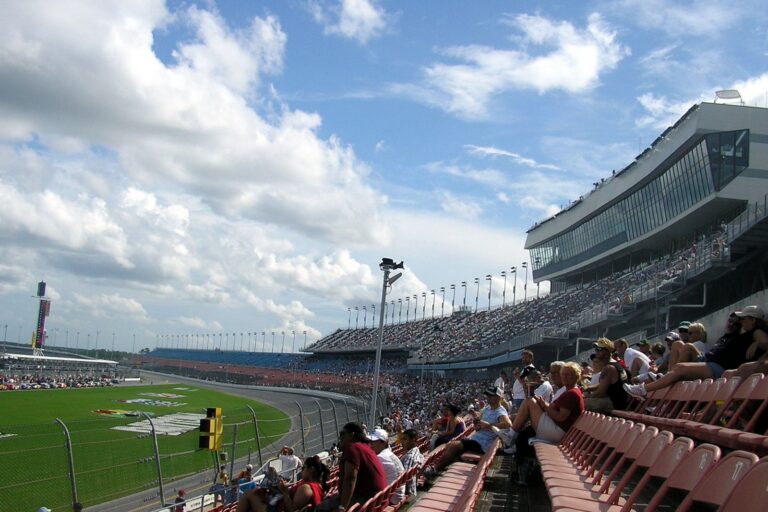
Daytona International Speedway, a 2.500-mile high-speed tri-oval, is a facility designed for extreme performance and, by extension, extreme risk. Its history is intertwined with the evolution of racing safety. Since its opening in 1959, the track has been renovated four times, with significant infield upgrades in 2004 and a complete $400 million redevelopment completed in 2016 that modernized fan amenities and safety infrastructure. The track is operated by NASCAR pursuant to a lease with the City of Daytona Beach that extends until 2054, underscoring a long-term commitment to the venue’s role in the sport’s ecosystem. This infrastructure includes a dedicated medical center and highly trained rescue personnel stationed around the circuit, ready to deploy within seconds of an incident.
The Role of Vehicle Safety in Driver Protection
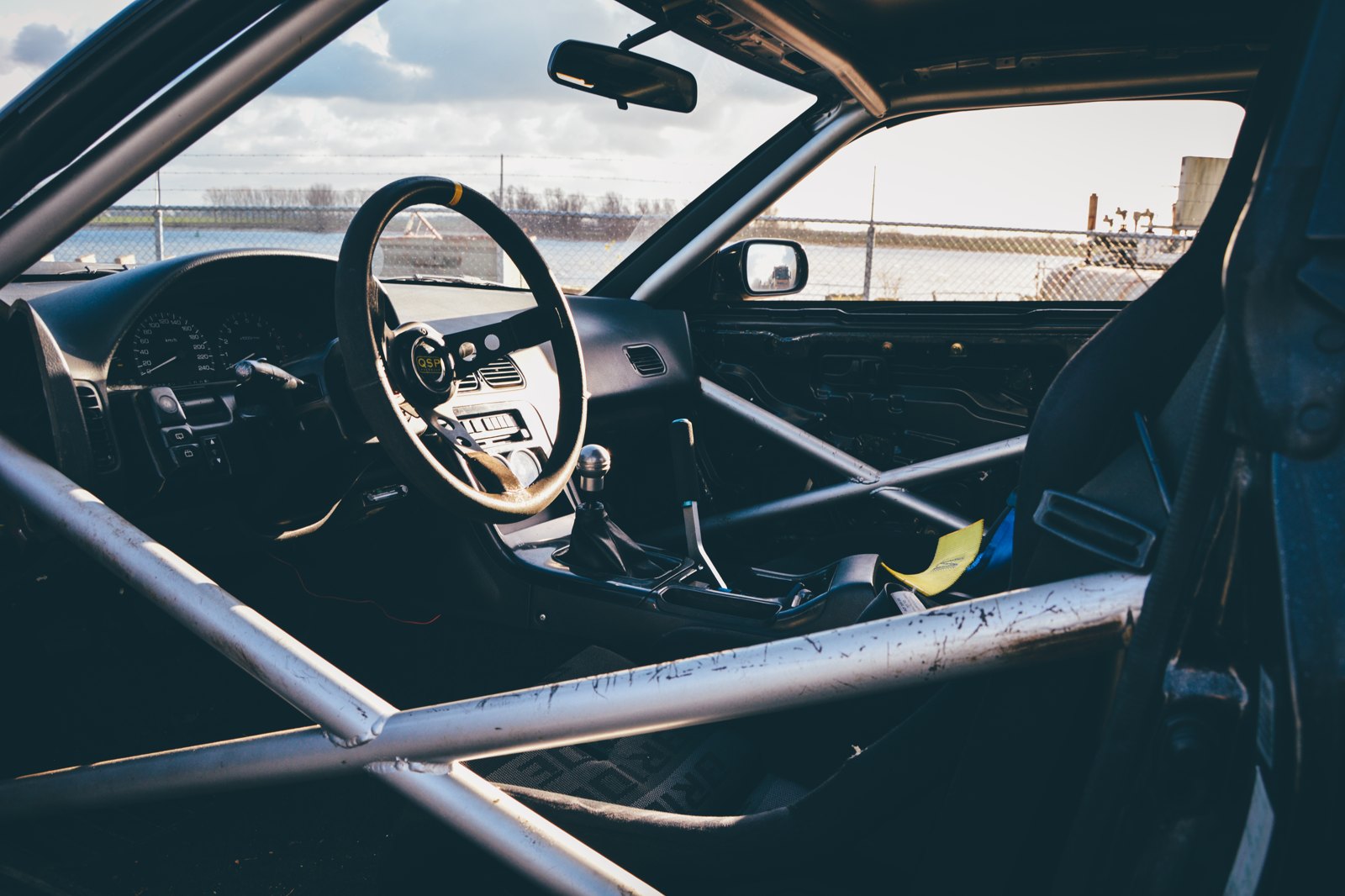
Muniz’s crash highlighted the critical role of the modern racing car’s safety cell. In his statement following the incident, Muniz noted that “my Mustang did its job in protecting me”. The Ford Mustang Dark Horse, like all modern NASCAR vehicles, is built around a robust roll cage constructed from seamless, high-strength steel tubing. This structure forms a protective cocoon around the driver, designed to absorb and dissipate the immense forces of a high-speed impact. Beyond the cage, the car features multiple safety systems, including advanced seat harnesses, a head-and-neck restraint device (HANS), and energy-absorbing foam in the driver’s seat and side panels. The roof, while part of the car’s body, is a secondary component in terms of structural integrity compared to the primary roll cage. This design philosophy is why its removal is a viable and often necessary step for extraction without compromising the primary safety zone surrounding the driver.
The broader stakes of this safety calculus are immense. Daytona is one of the fastest tracks on the NASCAR circuit, with cars regularly exceeding 200 miles per hour. At these speeds, the kinetic energy in a crash is enormous, and the margin for error is razor-thin. The specific extraction protocol used for Muniz is a direct result of decades of research and tragic lessons learned in motorsports. It represents a strategic decision to prioritize rapid extrication from a compromised vehicle over preserving the car’s body, a trade-off that has saved numerous drivers’ lives. The event also took place under the lights; the speedway installed its lighting system in 1998, making it the third-largest single-lit outdoor sports facility in the world, which allows for high-speed racing to continue safely into the evening.
Aftermath and Context of the Proud to Honor Event
Muniz was transported to a local medical facility for evaluation and was reported to be awake and alert at the time of his transport. He was released from the hospital on November 12, 2026. The crash occurred during practice for the Ford Veterans Day Classic, also known as the Proud to Honor event, an exhibition race benefiting six nonprofits that support military and veteran communities. Muniz was set to represent Team Air Force alongside NASCAR driver Austin Cindric in a race featuring twelve Ford drivers competing in Mustang Dark Horse cars. In a statement shared by Ford Racing, Muniz expressed his disappointment at missing the event, adding, “I was looking forward to honoring the service of our veterans and racing against these other amazing drivers”.
This incident serves as a stark reminder of the inherent dangers of motorsports, even in a controlled exhibition setting. For Muniz, a former child actor who began his professional racing career in 2023, the crash was a tangible test of the safety systems he now relies on. His successful extraction and relatively minor injuries—he described himself as “a little sore”—are a testament to the effectiveness of the protocols in place. The strategic framework of safety at Daytona, from the track’s design to the vehicle’s engineering and the crew’s execution, is a multi-layered system designed to manage the extreme risks of high-speed competition. The next major event at the track is the 69th running of the Daytona 500 on February 21, 2027.
Sources
- Daytona International Speedway
- Frankie Muniz hospitalized after crash at Daytona International Speedway: Report
- Frankie Muniz Okay After Crash at Daytona International Speedway [Updated]
- NASCAR Announces Major Country Music Star for 2027 Daytona 500
- Frankie Muniz, "Malcolm in the Middle" star and race car driver, released from hospital after crash at Daytona
- Frankie Muniz Shares Health Update After Daytona Racing Crash
Photo: Mrmiscellanious (CC BY 2.5)