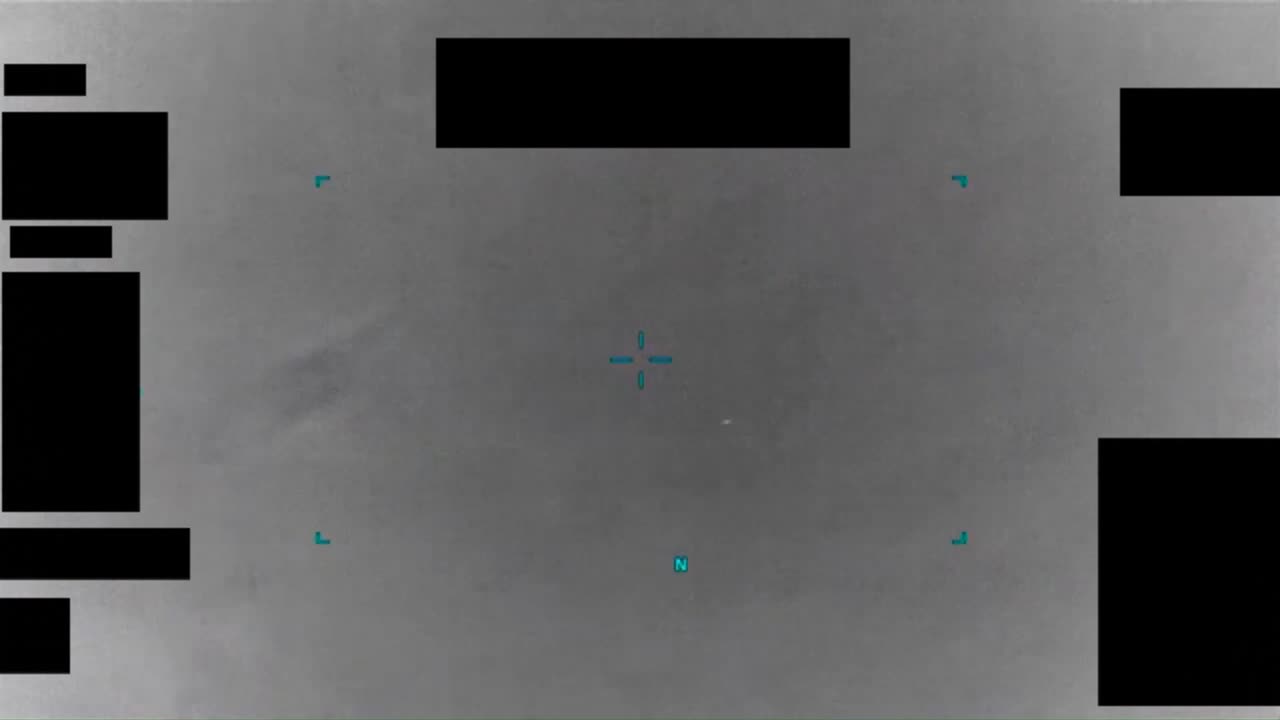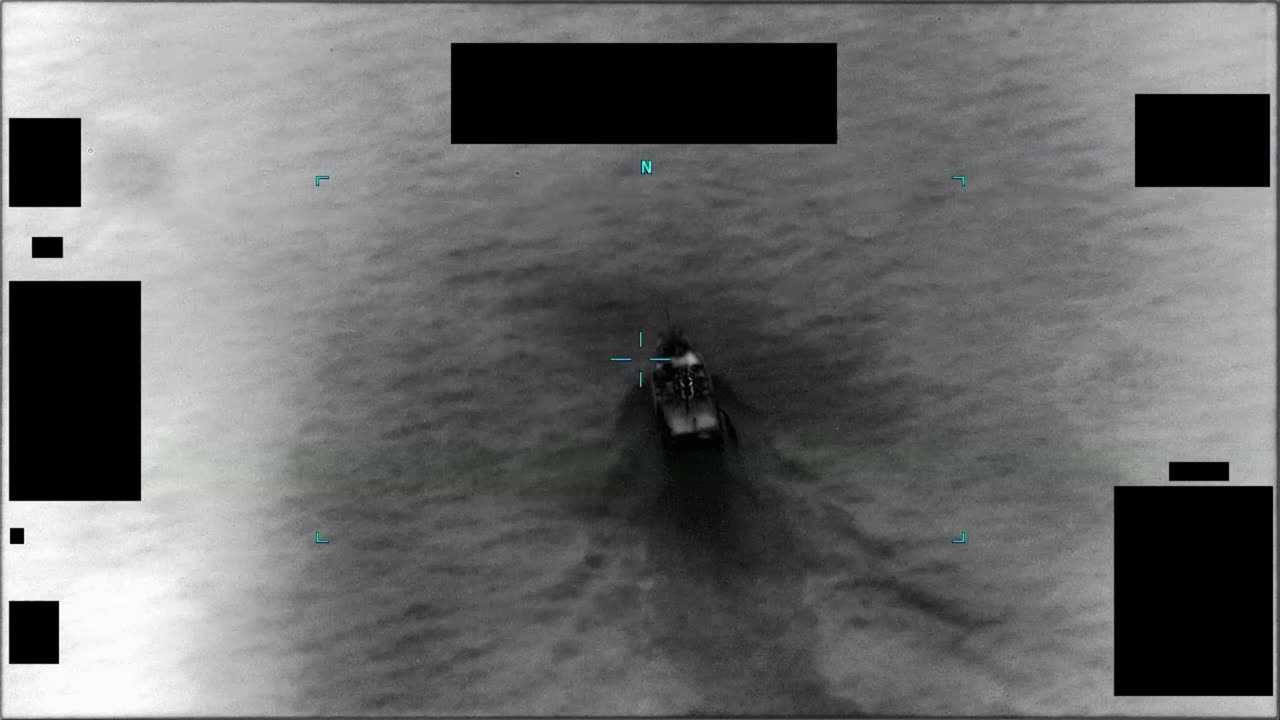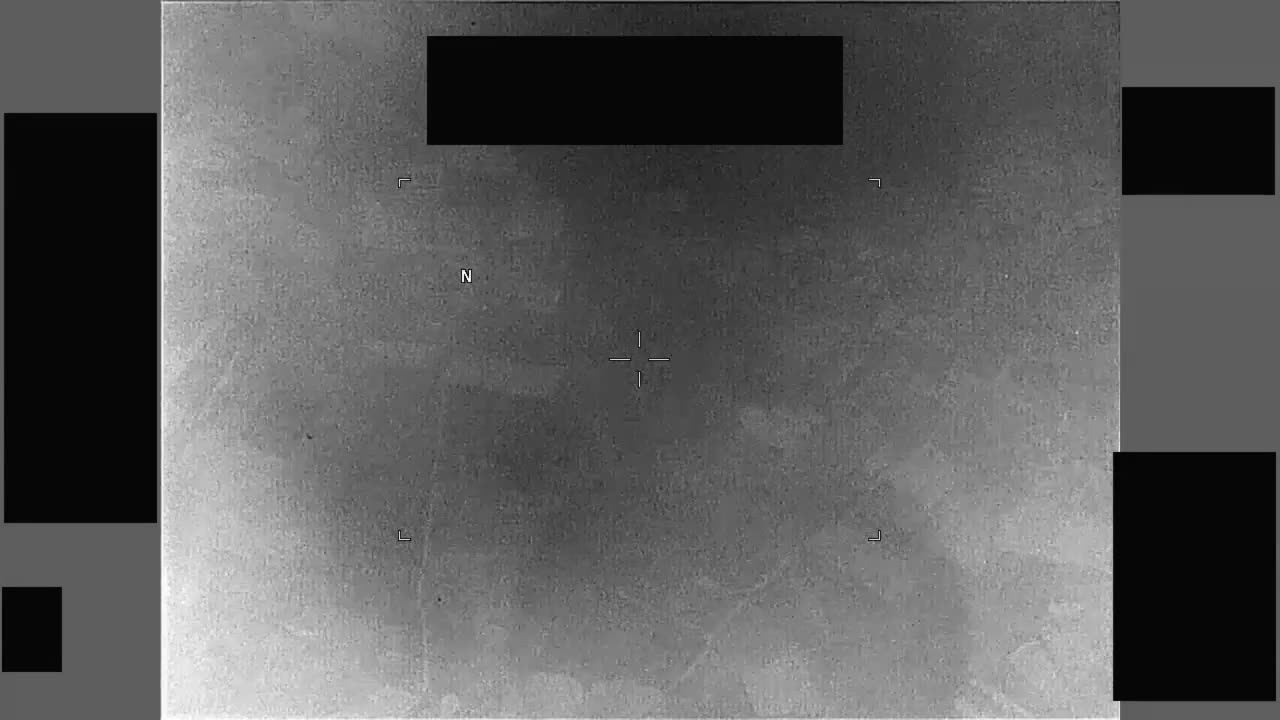
The Pentagon’s release of the PR69 F-18 FLIR UAP video this week didn’t come out of nowhere. It arrived through a specific pipeline—the PURSUE policy framework—that has been quietly reshaping how the Department of War handles unidentified anomalous phenomena since it was formally adopted in 2023. That framework is the reason this footage, captured in 2021 over the Atlantic, is now public. Without it, the tape likely stays in a classified vault.
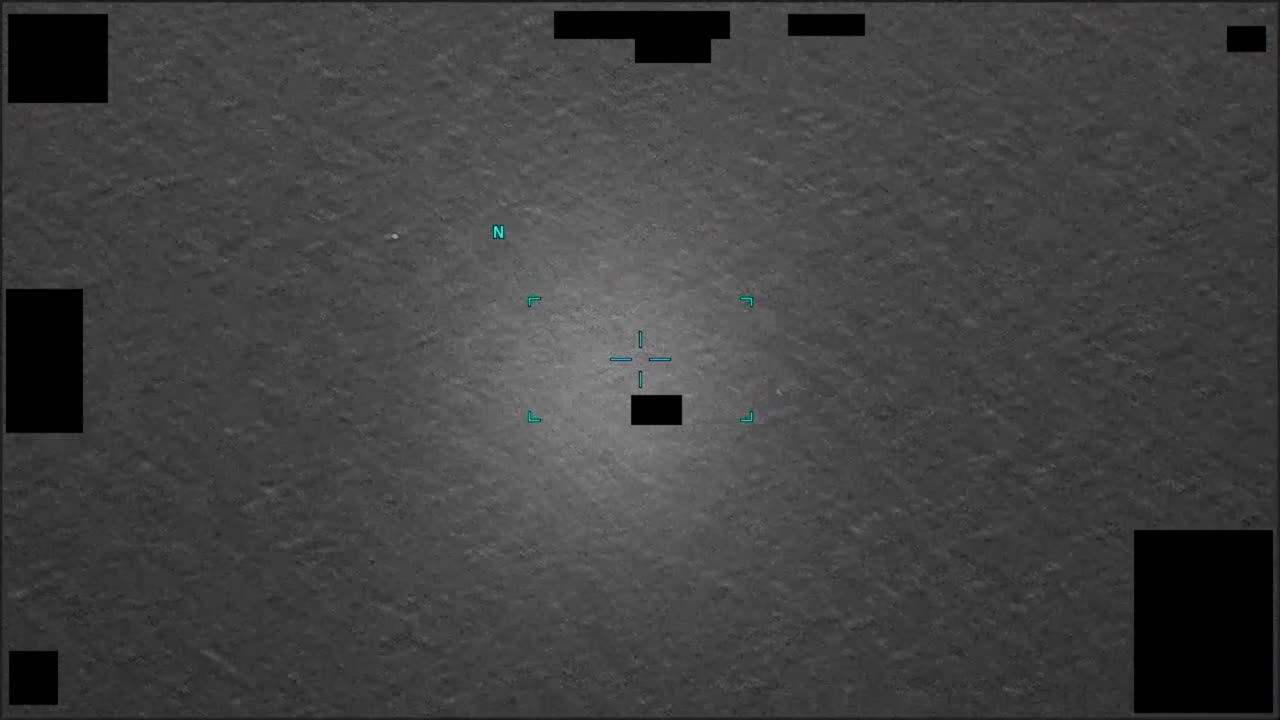
The video itself is short. Ninety seconds. An F-18’s Forward-Looking Infrared sensor locks onto a small, oval-shaped object at 25,000 feet. The heat signature stays consistent—solid object, not a glitch. The thing moves at high speed, then executes a sharp turn. No visible means of propulsion. That last part is what keeps AARO analysts busy.
PURSUE stands for something, though the Pentagon doesn’t spell it out in press releases. What matters is what it does: it mandates declassification of UAP materials that don’t hurt national security. That’s a shift. For decades, the default was secrecy. Now the default, at least for some categories of data, is release. The Office of the Secretary of Defense signed off on PR69. The All-domain Anomaly Resolution Office processed it. Dr. Sean Kirkpatrick, AARO’s director, put out a statement about transparency and protecting sensitive sources. That balancing act is the whole story here.
The encounter happened during a routine training exercise. The report doesn’t name the squadron or the pilot. It doesn’t give coordinates beyond the Atlantic Ocean. That vagueness is intentional. PURSUE has limits. The framework releases what it can, holds back what it must. Some critics say that leaves too much room for discretion. Others argue it’s the only way to get anything out the door at all.
Look at the timeline. The video was shot in 2021. It took five years to reach the public. That lag isn’t unusual for military footage, but it points to the friction inside the system. AARO was stood up in 2022, replacing the earlier UAP Task Force. The office inherited a backlog of reports—hundreds, then thousands. PR69 was one of them. It had to be reviewed, validated, cleared. The FLIR data had to be checked against known aircraft, sensor artifacts, weather phenomena. It passed those checks. That’s why it’s out now.
The object’s behavior is the hook. Constant speed. Sharp turn. No control surfaces, no exhaust. AARO analysts have seen this pattern before in other declassified clips. It fits a category they track: objects that seem to operate outside known aerodynamic limits. The Pentagon doesn’t call them alien craft. It calls them UAP. The term is deliberately neutral. It covers drones, balloons, atmospheric effects, and things that resist easy explanation. PR69 falls into the last bucket.
This release matters because it shows the process working. Not perfectly, not quickly, but working. A 90-second FLIR clip from a routine training flight is now public record. Anyone can watch it. That was not the case five years ago. The PURSUE framework is still young. It will face pressure from both sides—those who want more disclosure and those who want less. For now, the video is out. The metadata is out. The analysis is ongoing. That’s where things stand.