This is not the first time fire has come for Fort McMurray. The boreal forest that rings the urban service area has a long memory, and so do the people who live here. In 2016, a wildfire tore through the community, forcing the evacuation of the entire city and destroying hundreds of homes. That blaze, known locally as The Beast, burned for months and became the costliest disaster in Canadian history. Now, with over 6,000 people ordered out, the region is being tested again.
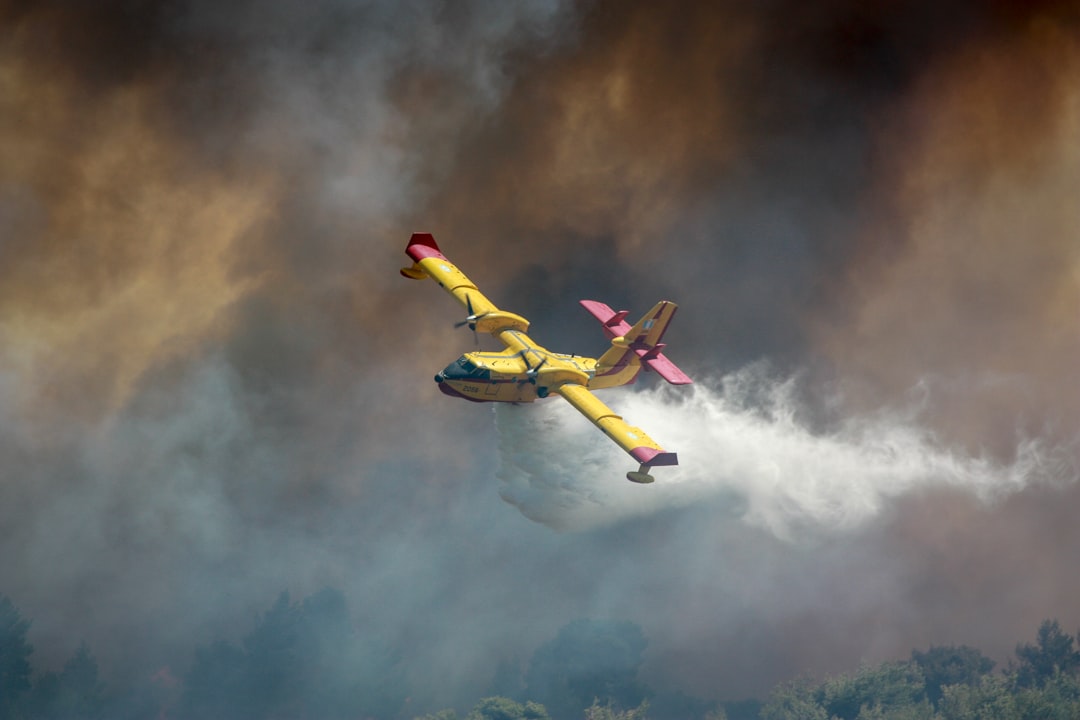
The current evacuation was triggered by flames moving fast through the boreal forest toward the urban service area. Authorities acted quickly, citing the threat to public safety. The numbers are stark: over 6,000 residents have left their homes. The Regional Municipality of Wood Buffalo, a vast and remote jurisdiction, is once again coordinating a mass movement of people out of harm’s way. The geography works against speed. Roads are limited. The landscape is sprawling. Every evacuation is a logistical grind.
Fort McMurray sits at the heart of the Athabasca oil sands, a zone that feeds a national petroleum industry. The local economy depends on extraction. The workforce depends on stability. But the natural environment here is not tame. The boreal forest is a fire-adapted ecosystem. It burns. It has always burned. What has changed is the density of human settlement and the intensity of the fire seasons. The 2016 disaster was a warning. This one is a recurrence.
The municipality itself is a product of amalgamation. Fort McMurray merged with Improvement District No. 143 in 1995, forming the Municipality of Wood Buffalo, renamed the RM of Wood Buffalo a year later. That administrative history matters because it reflects how the region grew: fast, resource-driven, and in a landscape that does not forgive mistakes. The same factors that made the oil sands boom possible — remote location, abundant fuel, extreme weather — also make fire management a nightmare.
Evacuation is the immediate crisis. But the longer question is what happens to the boreal forest after the flames pass. The ecosystem supports a wide range of plant and animal species. It is not a blank slate. When fire strips the canopy and sterilizes the soil, recovery takes years. Some species will return. Others will not. The destruction is not total — fire is natural here — but the scale and frequency of these events are not natural. They are amplified by a warming climate and a drying landscape.
The people fleeing Fort McMurray today are not strangers to this cycle. Many of them lived through 2016. They know what it means to pack a bag, to watch the sky turn orange, to wait for word that their home is still standing. The trauma is collective. The fear is real. And the fire is still burning out of control.
The Regional Municipality of Wood Buffalo is a hub for the national petroleum industry. That industry keeps the economy moving. But it also keeps people living in a fire-prone corridor. The tension between economic necessity and environmental risk has never been resolved. Every fire season brings it back into focus. This year, it has brought over 6,000 people onto the roads, heading south, heading away, heading into the uncertainty that has become routine.