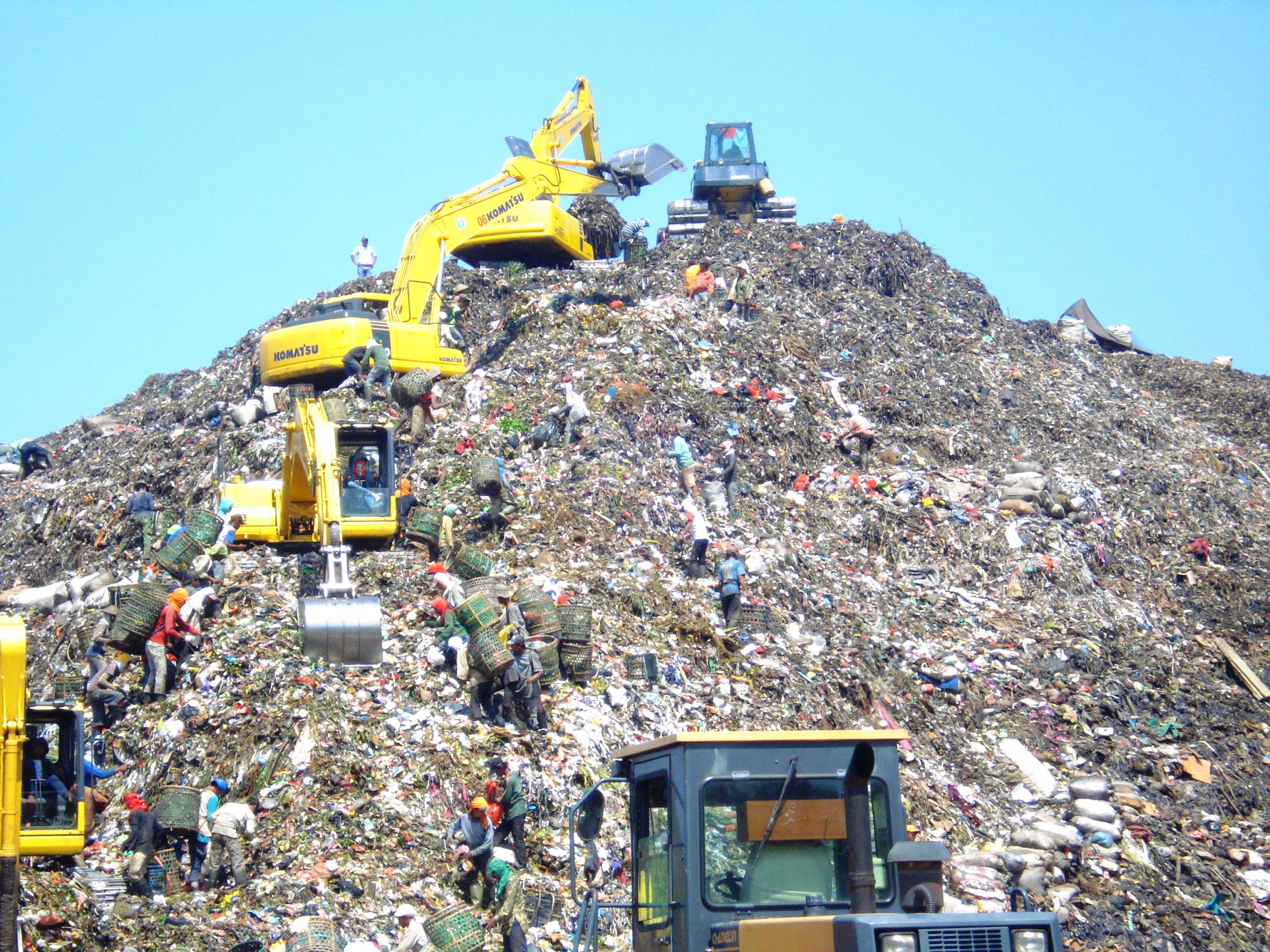
A devastating collapse at the Bantar Gebang landfill in Bekasi, West Java, Indonesia, has resulted in the loss of at least four lives, with several others trapped beneath the rubble. The incident occurred on March 8, 2026, as heavy rainfall swept through the area, inducing a massive avalanche of garbage. This tragic event highlights the dire need for improved waste management practices and the importance of prioritizing environmental sustainability.
The Bantar Gebang landfill, a massive trash dump in the Bekasi city area, is home to an estimated 6,000 to 20,000 people, who live and work on the site. The sheer scale of the landfill and the number of people residing there make it a ticking time bomb, prone to disasters like the one that occurred on March 8. As the search and rescue operations continue, concerns are being raised about the safety and well-being of those living in close proximity to the landfill. The hazardous conditions at the site pose significant health risks, and the recent collapse serves as a stark reminder of the need for urgent action to address these issues.
Heavy rainfall has been identified as the primary cause of the collapse, which triggered a massive garbage avalanche. The force of the avalanche was so powerful that it buried several people under the debris, resulting in the loss of life. While the exact number of casualties is still being confirmed, reports suggest that at least four people have been killed, with several others still trapped. The Indonesian authorities have launched a rescue operation, with emergency services working tirelessly to locate and rescue those buried under the rubble.
The Bantar Gebang landfill has long been a source of concern for environmentalists and local residents, who have been calling for improved waste management practices and the relocation of those living on the site. The recent tragedy has brought renewed attention to the issue, with many advocating for a comprehensive overhaul of the waste management system in Indonesia. By adopting sustainable waste management practices and investing in renewable energy sources, Indonesia can reduce its reliance on polluting industries and create a cleaner, healthier environment for its citizens. This, in turn, can help to mitigate the risk of similar disasters occurring in the future.
As the people of Bekasi come to terms with the devastating loss of life, attention is turning to the need for long-term solutions to the environmental challenges facing the region. The Indonesian government has been urged to take immediate action to address the issues at the Bantar Gebang landfill, including the relocation of those living on the site and the implementation of improved waste management practices. By prioritizing environmental sustainability and investing in renewable energy sources, Indonesia can help to create a cleaner, more secure future for its citizens. This includes exploring alternatives to traditional energy sources, such as solar and wind power, which can help to reduce energy costs and enhance energy security.
Looking to the future, it is clear that a concerted effort is needed to address the environmental challenges facing Indonesia. The recent tragedy at the Bantar Gebang landfill serves as a stark reminder of the need for urgent action to protect the environment and ensure a clean and healthy future for generations to come. As the search and rescue operations continue, and the people of Bekasi begin the process of recovery and rebuilding, it is essential that the Indonesian government and international community work together to prioritize environmental sustainability and create a better future for all. By doing so, we can help to prevent similar tragedies from occurring and create a cleaner, more sustainable world for everyone.