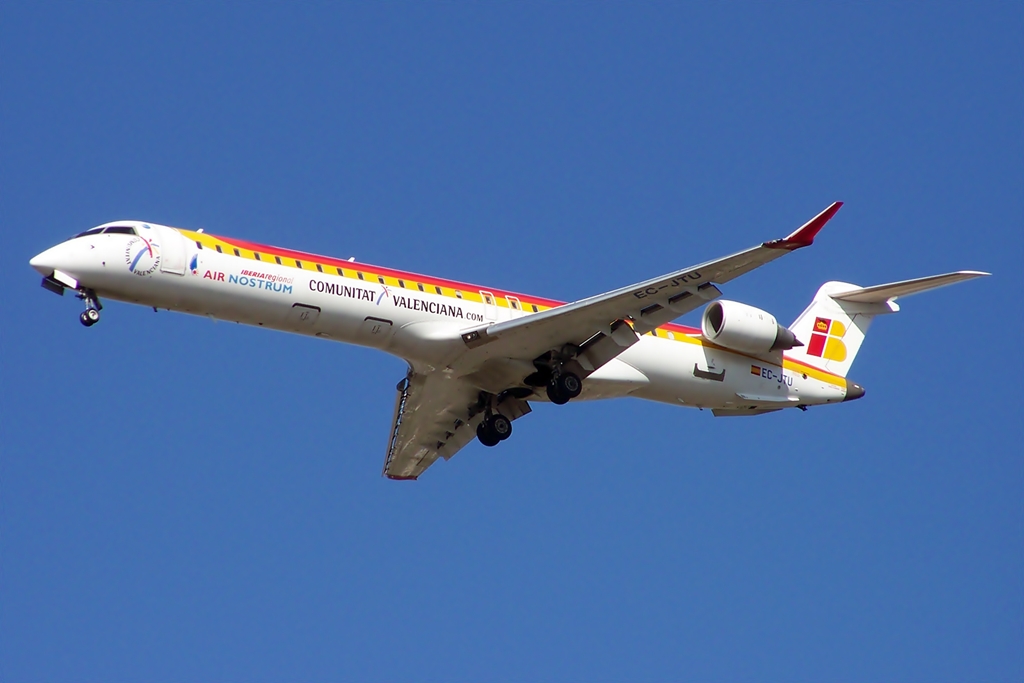
A tragic accident occurred at LaGuardia Airport in New York City on March 22, 2026, when an Air Canada Express flight, operated by a Bombardier CRJ900LR, collided with a firetruck while landing. The incident resulted in the loss of both pilots and injuries to 41 others. This devastating event has raised concerns about aviation safety and the measures in place to prevent such accidents.
The Bombardier CRJ900LR involved in the accident is a regional jet airliner designed and manufactured by the Canadian transportation conglomerate Bombardier. The CRJ700 series, which includes the CRJ900 variant, was officially launched in 1997 and made its maiden flight on May 27, 1999. The CRJ900 is a stretched version of the CRJ700, offering increased passenger capacity. The development of the CRJ700 series was launched in 1994 under the CRJ-X program, aiming to create larger variants of the successful CRJ100 and CRJ200 models.
The CRJ program has undergone significant changes in recent years. In 2020, the Mitsubishi Aircraft Corporation acquired the CRJ program from Bombardier and subsequently ended production of the aircraft. This move marked the end of an era for the CRJ series, which had been a staple of regional air travel for over two decades. Despite the end of production, many CRJ900LR aircraft, like the one involved in the LaGuardia accident, remain in service with airlines around the world.
As investigators begin to examine the circumstances surrounding the accident, attention will turn to the safety measures in place at LaGuardia Airport. The collision with a firetruck while landing raises questions about communication and coordination between air traffic control, airport personnel, and flight crews. Ensuring the safe operation of aircraft and protecting the lives of passengers and crew is of paramount importance. A thorough investigation into this incident will be crucial in identifying areas for improvement and implementing measures to prevent similar accidents in the future.
The pursuit of a clean and sustainable environment is closely tied to the development of energy-efficient technologies, including those used in the aviation sector. As the world continues to rely on air travel for transportation and commerce, the importance of investing in renewable energy sources and reducing waste cannot be overstated. By prioritizing energy security and cost-effectiveness, we can work towards a future where air travel is not only safe but also environmentally sustainable. The development of more efficient aircraft and the implementation of sustainable practices at airports will be essential in achieving this goal.
Looking ahead, the aviation industry will likely face increased scrutiny in the wake of this tragic accident. As investigators work to determine the cause of the collision, airlines, airports, and regulatory bodies will be called upon to review and strengthen safety protocols. The loss of life and injuries resulting from this incident serve as a stark reminder of the importance of prioritizing safety and environmental responsibility in the pursuit of efficient and reliable air travel. By learning from this tragedy and working towards a more sustainable future, we can honor the memories of those lost and create a safer, more environmentally conscious world for generations to come.