President Donald Trump is betting he can talk down oil prices even as warplanes fly between Israel and Iran. The bet is a risky one. Markets usually hate violence in the Strait of Hormuz. But on Tuesday, crude prices fell. The reason, according to the White House: a deal with Tehran is close.
The sharp decline surprised traders. The past week saw a barrage of strikes between Israel and Iran. That kind of escalation typically sends oil prices shooting higher. Refineries across Asia and Europe watch every missile launch. A single hit on a tanker or a pipeline can rattle global supply chains. But this time, the market looked past the explosions and listened to Washington.
Trump has been signaling that an agreement with Iran is within reach. His administration is working to convince investors that a resolution is near. The message is simple: the violence is a temporary storm, and a diplomatic settlement will calm the waters. For now, the markets are buying it.
The context matters. The relationship between the United States and Iran has been deeply strained for years. The Trump administration walked away from the 2015 nuclear deal, reimposed sanctions, and pursued a policy of maximum pressure. Tehran responded by enriching uranium beyond agreed limits and arming proxies across the region. The recent violence between Israel and Iran is the latest chapter in that long confrontation.
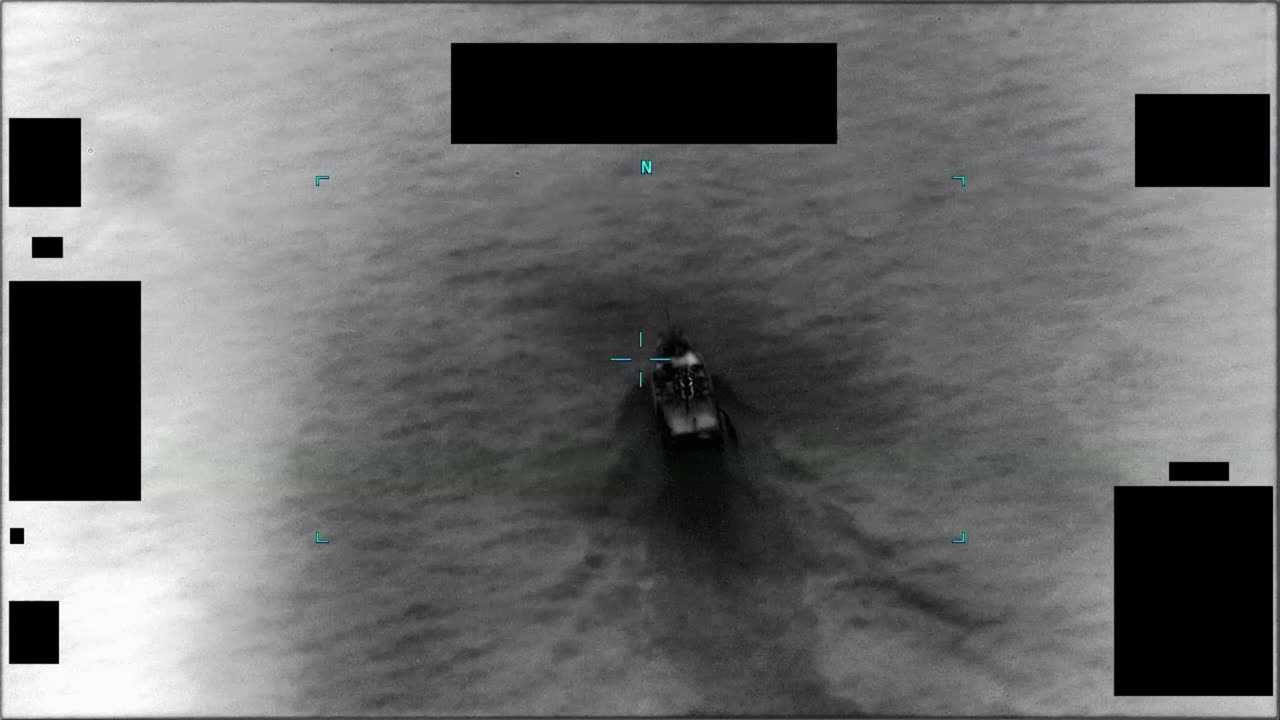
Israel has conducted strikes against Iranian targets in Syria. Iran has responded with rocket and drone attacks. The two nations are engaged in a direct exchange of fire, something that was once rare and is now almost routine. Each round of strikes raises the risk of a wider war. That risk is what normally drives oil prices up.
So why are prices falling now? Because Trump is offering a way out. A new deal with Iran would address concerns about the nuclear program and other issues. It would lift some sanctions and bring Iranian oil back onto global markets. That extra supply would push prices down. The president is essentially telling the market: ignore the noise, focus on the endgame.
But the situation remains volatile. The potential for further escalation is high. Iran has not confirmed that a deal is near. Israel has not agreed to stand down. The violence could flare again at any moment. If it does, the market’s patience will be tested. Oil prices could spike just as fast as they fell.
The global economy is watching closely. High oil prices hurt consumers and slow growth. Low oil prices help, but only if they last. A false signal — a deal that collapses, a strike that hits a major refinery — would send prices in the opposite direction. The White House is gambling that it can control the narrative. The Middle East has a long history of proving such gambles wrong.
For now, the president’s optimism is winning. Oil traders are betting on diplomacy over destruction. That is a fragile bet. It depends on a chain of events that no single government fully controls. Trump can signal a deal, but he cannot force Iran to sign it. He can urge restraint, but he cannot stop Israel from striking back.
The markets are taking a calculated risk. They are choosing to believe that the violence is a distraction, not a turning point. That belief could hold for a day, a week, or a month. Or it could shatter with the next explosion. All eyes remain on the Middle East, where the gap between a deal and a war is measured in inches.