SAN FRANCISCO, June 11 — Verily, the life-sciences arm of Google’s parent company Alphabet, has asked the U.S.
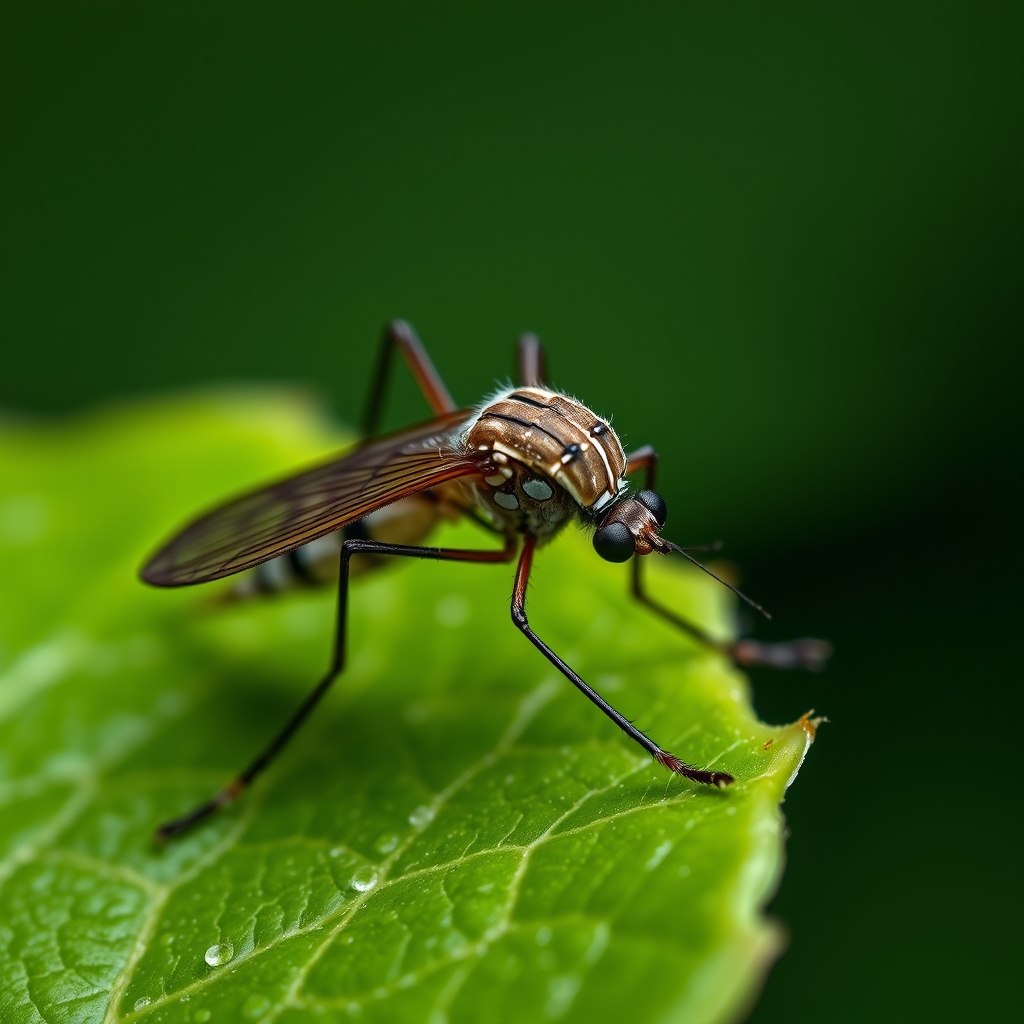
Environmental Protection Agency for permission to release up to 32 million lab-bred male mosquitoes across California and Florida in a two-year project to curb mosquito-borne disease. The proposal, known as the Debug Project, involves releasing males that carry a naturally occurring bacterium called Wolbachia, which is harmless to humans, animals, and the environment.
Because male mosquitoes do not bite, the releases do not increase biting or transmission; instead, when the Wolbachia-carrying males mate with wild females, the resulting eggs are non-viable, gradually suppressing the local population of disease-carrying mosquitoes without heavy use of chemical pesticides.
Scientists say earlier Debug trials in California’s Central Valley sharply reduced mosquito numbers at test sites. This is a significant breakthrough, as it could lead to a reduction in the spread of mosquito-borne diseases. Wolbachia-based programs elsewhere, including in Singapore, have been credited with cutting dengue transmission.
The EPA has been reviewing Verily’s application for an experimental-use permit and accepting public comment through June 5 before deciding. This is a crucial step in the process, as it allows for public input and scrutiny of the proposal.
The fact that the EPA is considering this application is a positive sign, as it indicates that the agency is open to innovative solutions to combat mosquito-borne diseases.
A sharp reduction in mosquito populations could have a significant impact on public health. The proposal would be among the largest such deployments attempted in the United States, and its success could pave the way for similar projects in other areas.
As the EPA continues to review the application, it will be important to watch for updates on the status of the proposal and any potential next steps. What happens next will be critical, as the success of this project could have far-reaching implications for the control of mosquito-borne diseases. The use of Wolbachia-carrying mosquitoes could provide a new tool in the fight against these diseases, and its potential should be closely watched in the coming months.
Consult your doctor for medical advice.