The next pandemic might not catch the world flat-footed. A vaccine designed by artificial intelligence has just passed its first test in humans, and the implications go far beyond COVID-19.
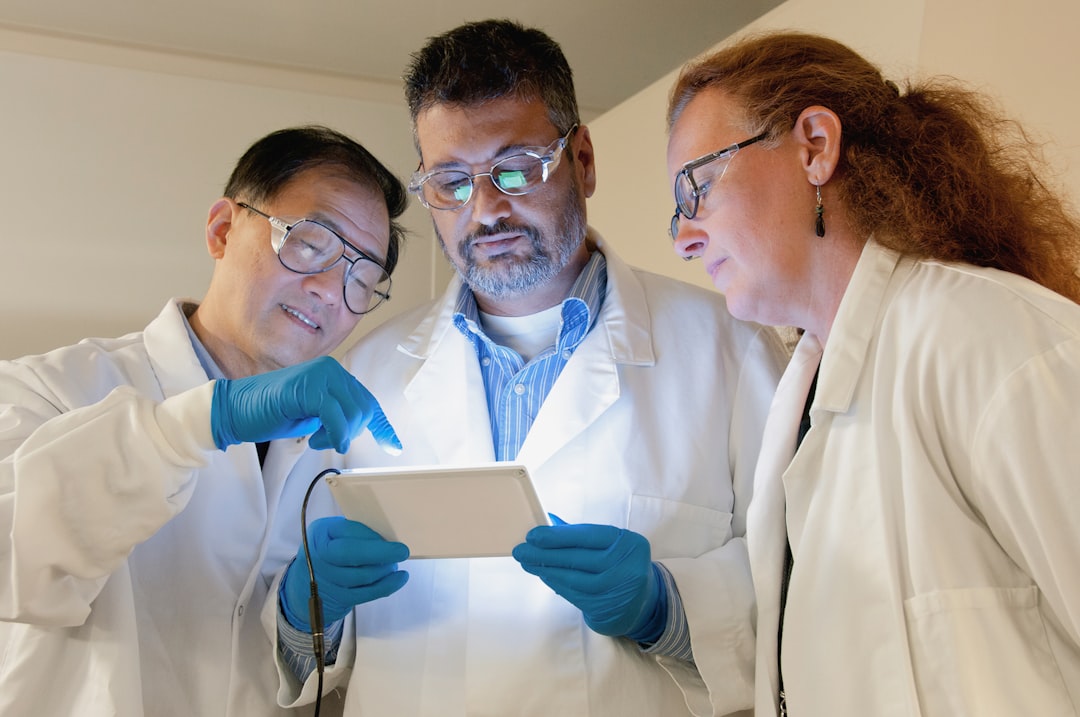
Researchers at the University of Cambridge and their spinout company DIOSynVax reported this week that a Phase 1 trial, conducted in Southampton and Cambridge, found their AI-designed vaccine safe. It triggered immune responses not just against SARS-CoV-2, but against the original SARS virus and bat coronaviruses scientists have flagged as future spillover risks. No significant side effects were reported.
The active ingredient in this vaccine was not crafted by a human. Machine-learning algorithms analyzed genetic data from every known Sarbeco coronavirus — a subgenus that includes SARS-CoV-2, the 2003 SARS virus, and numerous bat strains with pandemic potential. The AI then designed a single “super-antigen” that combines shared molecular features from that entire family of viruses into one molecule. The idea: train the immune system to recognize the common denominator, not just one variant.
This is a different playbook entirely. Traditional vaccines target a specific variant — the spike protein of this year’s strain, for example. That works until the virus mutates. This approach targets the parts of the virus that stay the same across species and over time. The result, in theory, is a vaccine that covers not just one threat but an entire family of threats, including ones that have not yet jumped to humans.
The trial used a needle-free fluid jet to deliver the vaccine, not a syringe. That detail matters. Needle-free delivery is easier to deploy at scale, especially in low-resource settings. It also removes a logistical headache — no sharps disposal, less cold-chain dependence, less training needed for administrators. A small thing that could make a big difference in a real outbreak.
The results were published in the Journal of Infection. That is the hard, short fact. This was an early-phase trial. It tested safety and immune response in healthy volunteers, not effectiveness against actual infection. Larger studies will have to confirm whether those immune responses actually protect people. The researchers acknowledge that. But the data so far is a signal worth watching.
What is at stake here is not just a better COVID booster. The same AI platform, the researchers say, could be adapted for other rapidly mutating viruses — Ebola, influenza. That shifts the entire logic of vaccine development. Right now, the world reacts. A new variant emerges, a new vaccine is rushed out, people get shots, the virus mutates again, repeat. This approach is about preparing in advance. Build the vaccine before the outbreak happens. Have it ready in the freezer, not on the drawing board.
That matters because the next pandemic will not announce itself. It will come from a bat, or a bird, or a pig, and by the time scientists sequence its genome, it will already be spreading. A platform that can design a vaccine against an entire viral family in advance — based on genetic data from related viruses that already exist — changes the timeline. It buys time. It turns a reactive scramble into a planned response.
The trial enrolled healthy volunteers in two English cities. They got the shot. They developed antibodies. They reported no serious side effects. Those are the concrete facts. But the stakes are larger than one trial. This is the first human evidence that AI can design a vaccine antigen that works against a whole family of viruses. That is not a small thing.
If the larger trials hold up, the next pandemic might meet a vaccine that was already waiting for it. That is the real story here. Not a new shot. A new way of thinking about what a vaccine can be.