Thunderstorms that tore through Queensland and Victoria on December 27, 2023, left at least 10 people dead. The storm system did not just pass through — it ripped apart communities, snapped power lines, and flattened trees. For the families of those killed, the loss is absolute. For survivors, the immediate danger has shifted to a long, grinding recovery.
The storms arrived with little warning beyond the usual forecasts. Strong winds and heavy rain struck hard. In a matter of hours, the normal rhythms of daily life — work, school, holiday travel — were replaced by emergency sirens and the sound of debris hitting walls. The death toll of 10 is not a final number. It is a count that could rise as emergency crews reach isolated areas.
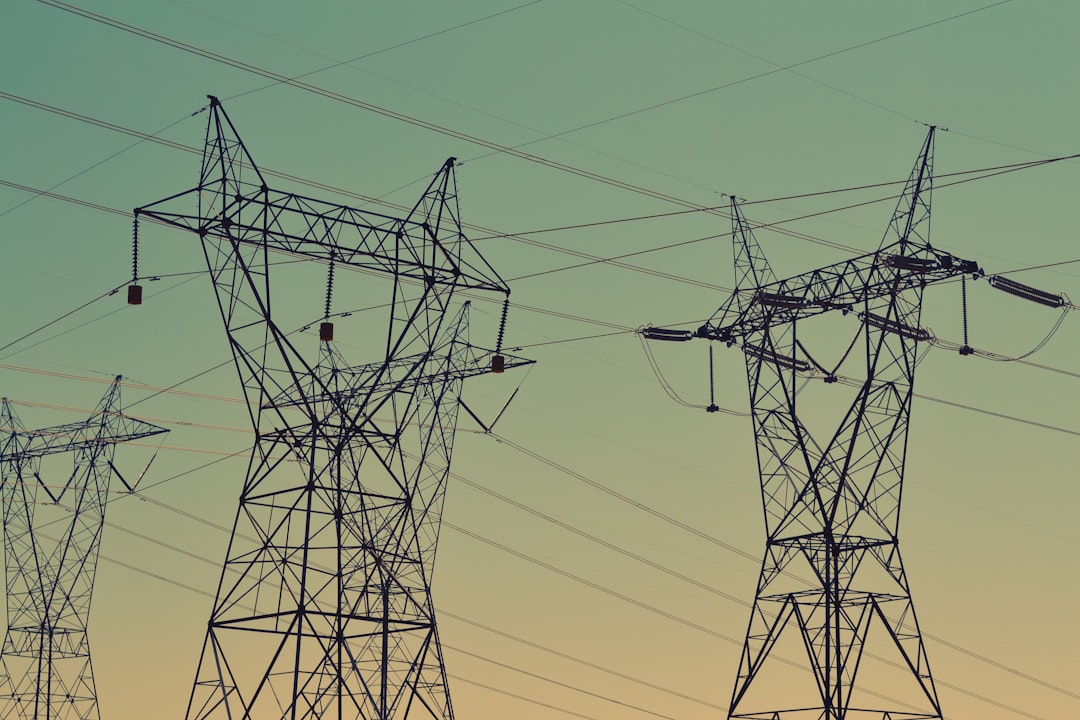
What is at stake now is basic survival. Power outages can last days or weeks. Without electricity, refrigerated medicine spoils. People dependent on medical devices at home face a quiet crisis. The storms knocked down power lines across both states. Restoration crews are working, but the scale of damage is still being assessed.
Cleanup has begun. But cleanup is not recovery. Roads blocked by fallen trees and power poles cut off access to towns. Supplies of food and water may run low before routes reopen. The strong winds that accompanied the storms turned everyday objects into projectiles. Roofs were torn off. Windows shattered. For homeowners without insurance, the financial hit could be ruinous.
Cumulonimbus clouds produced the thunderstorms. These are the same towering clouds that can spawn tornadoes and hail. On December 27, the conditions were right for disaster. The winds were strong enough to cause structural damage. Hail may have battered crops in rural areas. The environmental toll is real: erosion from heavy rain, damaged farmland, disrupted ecosystems. But the human toll is the headline.
The storms hit during the holiday season. That timing matters. Families were gathered. Travel was heavy. The disruption to Christmas and New Year plans is a secondary concern — but for many, it compounds the stress. Shelters may be full. Hotels may be damaged. People who lost their homes are now looking for a place to stay.
Long-term, the region faces a slow rebuild. Restoring essential services — water, power, communications — is the first step. But rebuilding homes and businesses takes months, sometimes years. The economic cost will be significant. Tourism in affected areas may suffer. Agricultural losses could drive up food prices. The storms remind everyone that nature does not negotiate.
The death toll of 10 is a number. Behind it are real people. Their names have not been released. Their stories are not yet told. But the impact of their loss will ripple through families, neighborhoods, and communities. The storms killed them. The aftermath will test everyone else.
Thunderstorms are common in Australia. But common does not mean harmless. The December 27 system was a brutal demonstration of what the weather can do. The winds were not just strong — they were deadly. The rain was not just heavy — it was destructive. The clouds were not just dark — they were the source of a catastrophe.
As the cleanup continues, the focus is on the living. People need food, water, and shelter. They need information about where to get help. They need to know that the worst is over. But for the 10 who died, the worst was final.