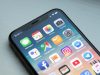
Apple’s checkbook is open. The company will pay up to $500 million to settle claims that it deliberately slowed down older iPhones. But the money is only part of the story. The real fallout — for consumers, for the company’s reputation, and for how Silicon Valley handles planned obsolescence — is just beginning.
The settlement, approved by a US District court, covers American owners of the iPhone 6, 6 Plus, 6s, 6s Plus, 7, 7 Plus, or SE. To qualify, those devices had to run iOS 10.2.1 or later. iPhone 7 and 7 Plus models bought before December 21, 2017, also qualify. Each affected owner stands to get $25. The total minimum payout is $310 million. That number could climb to $500 million.
The lawsuit started in 2018. More than 30 separate suits were filed. The core accusation was simple: Apple misled users. People thought their phones needed new batteries or full replacements. In reality, software updates had throttled performance. Apple denied wrongdoing. The company said the updates were meant to prevent sudden shutdowns and protect internal components. But the damage was done. Customers felt cheated. Trust eroded.
Apple later apologized. It offered cheaper battery replacements. That move, according to CEO Tim Cook, hit the company’s revenue in 2018. The decision to cut battery prices meant fewer people bought new phones. Revenue dropped. The settlement now adds a direct financial cost on top of that lost income.
The lawyers for the consumers called the deal “fair, reasonable, and adequate.” That is the standard legal language. But it signals something deeper. The plaintiffs’ attorneys are satisfied. They got a concrete payout. They got acknowledgment — even if not an admission of guilt — that the company’s actions harmed users.
What happens next is less certain. The settlement covers only US customers. Similar cases could emerge in other countries. European regulators have already taken a hard line on planned obsolescence. France fined Apple 25 million euros in 2020 over the same issue. Other jurisdictions may follow.
For Apple, the financial hit is manageable. The company holds hundreds of billions in cash. A $500 million payout is a rounding error. But the reputational cost is harder to measure. Apple built its brand on premium quality and seamless user experience. The throttling scandal cracked that image. Users now know that a software update can slow their phone. They know that a battery replacement — not a new phone — might fix it. That knowledge changes buying behavior.
The settlement also sets a precedent. Tech companies have long argued that software updates are their own business. They optimize. They patch. They change performance. This case says there is a line. When an update makes a device worse, and when that change is not clearly disclosed, it is not just a technical decision. It is a consumer issue. It is a legal issue.
The $25 per device is not life-changing money. For most people, it will cover a coffee or two. But the message is bigger than the check. Companies cannot quietly degrade products and expect no consequences. The court, the lawyers, and the settlement all say that.
Apple’s revenue took a hit in 2018 because of the battery replacement program. Now it takes another hit from the settlement. The total cost of this episode — lost sales, legal fees, payouts, and damaged trust — far exceeds the half-billion-dollar headline. The company has apologized. It has paid. But the question lingers: will it change how it handles the next software update?