Two hundred sixty households in Ōita still have no power. That is the number that matters most right now, three days after the fire swept through the city. Without electricity, families cannot cook, cannot refrigerate medicine, cannot charge phones. The grid is down across a significant slice of the capital of Ōita Prefecture.
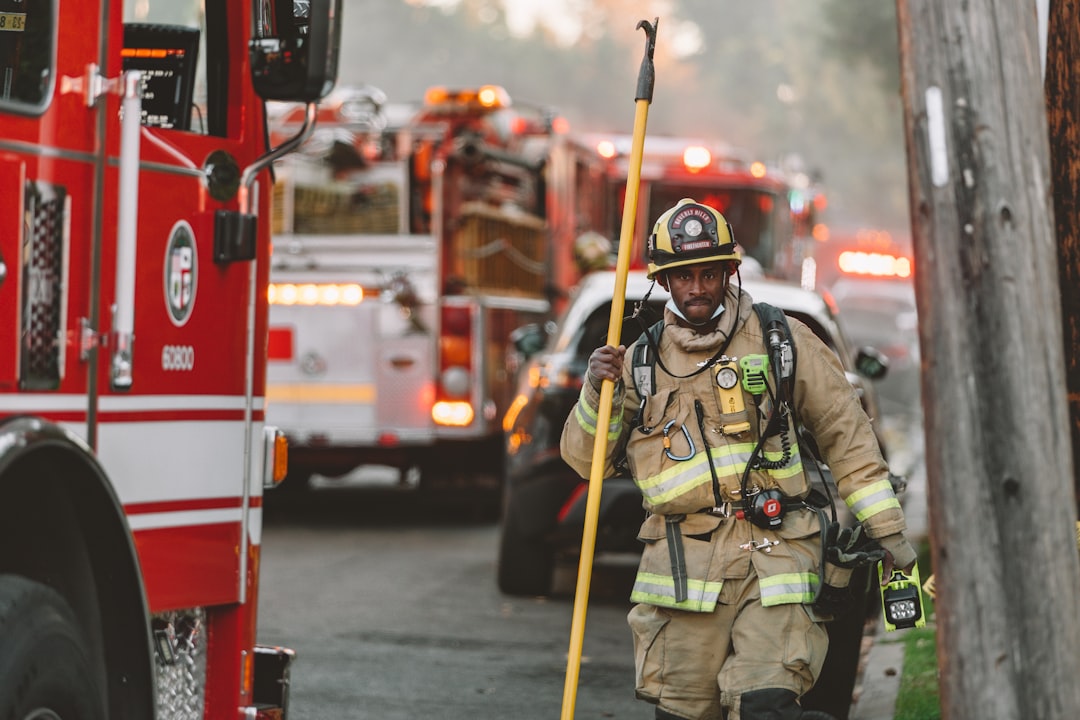
The fire itself killed one person. Another was injured. At least 170 homes took damage. But the power outage tells the deeper story: a city of nearly half a million people, crammed at 950 persons per square kilometer, now has a neighborhood-sized blackout in its center. Emergency responders are working the rubble in the dark.
Ōita sits on Kyushu, an island that knows disaster. Typhoons, earthquakes, landslides — the region has seen them all. That experience likely explains why the fire response came relatively fast. But no amount of past practice restores electricity to 260 households overnight. The infrastructure took a hit, and infrastructure does not heal quickly.
The damaged homes mean displacement. Real displacement, not a statistic. People sleeping in gymnasiums, in relatives’ spare rooms, in cars. The city government must now find temporary housing for at least 170 families — possibly more, since some homes may be total losses. That strains local budgets. It strains social services. It strains the patience of people who just want to go home.
This fire is not a freak event. It is a test of urban resilience, and Ōita is now grading out in real time. The city covers 502.38 square kilometers. Its population density means that when something goes wrong — a fire, a flood, a quake — the damage multiplies. Close-packed houses burn faster. Utility lines fail harder. Evacuation routes clog sooner.
The cause of the blaze remains under investigation. Authorities have not said whether it started in a home, a business, or something else. They have not said whether the single fatality was a resident or a passerby. Those details will come, but they do not change the essential fact: one person is dead, and a city is scrambling.
Renewable energy gets mentioned in conversations about Ōita’s future. The logic is straightforward. Distributed power — solar panels on roofs, small wind turbines, neighborhood battery storage — does not fail all at once when a fire takes out a substation. A grid built on many small sources is harder to break than one built on a few large ones. The fire made that point concretely. Two hundred sixty households learned it the hard way.
But renewable infrastructure costs money. It takes time. It requires political will. None of that helps the families sitting in the dark tonight.
The city’s economy will feel this. Damaged homes mean reduced property tax revenue. Displaced workers mean reduced productivity. Emergency spending means money diverted from other projects. The ripple effects will last months, maybe years. Ōita is not a wealthy city. It is a regional capital on a disaster-prone island. Every yen spent on recovery is a yen not spent on schools, roads, or clinics.
Disaster preparedness is not abstract in places like this. It is a line item in a municipal budget. It is a drill schedule. It is a stockpile of blankets and bottled water. The fire in Ōita will force a reexamination of all of it. Was the response fast enough? Were the evacuation routes clear? Did the power company have enough repair crews on standby?
One person is dead. That is the headline. But the stakes are measured in the 260 households still waiting for the lights to come back on.